Author: Admin

  • Understanding the New Mexico Vehicle Identification Inspector Bond Requirements

    If you’re thinking about becoming a vehicle identification inspector in New Mexico — or you’ve already started the process — you’ve probably come across the term “surety bond.” It sounds like a complicated insurance product that only big corporations need to worry about. But here’s the truth: this little piece of paper is your golden ticket to doing business legally in the state. And the best part? It’s actually much simpler than it sounds.

    Let’s break down everything you need to know about the New Mexico Vehicle Identification Inspector Bond. We’ll talk about what it is, who needs one, how much it costs, and how you can get bonded without a headache.

    What Exactly Is a New Mexico Vehicle Identification Inspector Bond?

    Imagine you’re lending your car to a friend. You trust them, but you still want a little reassurance that if something goes wrong, you’re covered. A surety bond works a lot like that — but instead of a personal favor, it’s a three-party agreement required by the state.

    The New Mexico Vehicle Identification Inspector Bond is a type of surety bond that guarantees you’ll follow state laws and regulations when inspecting and verifying vehicle identification numbers (VINs). It’s not insurance for you; it’s protection for the public and the state. If you make a mistake, commit fraud, or break the rules, the bond can pay out to the harmed party. Then, you’re responsible for paying the bond company back.

    Think of it as a financial promise that says, “I’ll do my job right, and if I don’t, there’s money set aside to make it right.”

    Who Needs to Carry This Bond?

    Not everyone who looks at a car needs this bond. It’s specifically required for individuals or businesses acting as Vehicle Verifiers or Vehicle Identification Inspectors licensed by the New Mexico Motor Vehicle Division (MVD). These are the folks who physically inspect vehicles — often when a car is brought in from out of state, rebuilt, or when its VIN is in question — to certify that the vehicle identification number matches official records and that the vehicle isn’t stolen or tampered with.

    If you plan to offer VIN inspection services in New Mexico for a fee, you’ll almost certainly need to obtain and maintain a bond. The state wants to make sure only trustworthy, accountable people are doing this important work.

    Why Does New Mexico Require This Bond?

    Great question. The state isn’t trying to make your life harder. Vehicle identification inspectors play a critical role in preventing auto theft, title fraud, and odometer tampering. When you sign off on a VIN inspection, you’re essentially providing a stamp of legitimacy. A dishonest or careless inspector could cause major headaches — think of someone unwittingly buying a stolen car with forged paperwork.

    The bond requirement creates a layer of financial accountability. It gives the New Mexico MVD confidence that you’ll perform inspections honestly and professionally. If you don’t, there’s a clear path for consumers or the state to recover losses. This requirement helps maintain public trust in the vehicle registration system.

    In many ways, the bond is like a badge of honor. It tells your customers, “I’m licensed, I’m monitored, and I stand behind my work.”

    How Does the Bond Protect the Public (and the State)?

    Let’s look at a practical example. Say you inspect a used truck that was recently rebuilt after a major accident. You verify that the VIN on the dashboard matches the title, but you overlook a critical discrepancy on the frame. The buyer later discovers the truck was actually two different vehicles welded together — a safety nightmare. The buyer files a complaint, and the MVD investigates. If they find you acted negligently, a claim can be made against your bond to compensate the buyer for their loss.

    It’s important to repeat: the bond doesn’t protect you from lawsuits directly. It protects the person who was harmed. You’ll still need to reimburse the surety company for any payouts. But having the bond in place makes the whole inspection ecosystem safer for everyone.

    How Much Does the New Mexico Vehicle Identification Inspector Bond Cost?

    Now for the part you really care about: the price tag. The good news is that you don’t need to pay the full bond amount out of pocket. The state sets a required bond amount (often a specific figure like $10,000 or $25,000 — you’ll want to confirm the exact requirement with the New Mexico MVD, as it can change). You only pay a small percentage of that total, known as the bond premium.

    Your premium depends on a few factors:

    • Your credit score: Strong credit usually means a lower rate.
    • Your business financials: Some sureties look at experience and assets.
    • The bond amount: Higher required amounts naturally cost more.

    For many applicants, premiums can range from as little as $100 to a few hundred dollars per year. That’s a small investment to legally operate and build trust. Even if your credit isn’t perfect, there are programs that can help you get bonded, sometimes with a slightly higher rate.

    Step by Step: How to Get Your Bond

    Getting bonded isn’t a week-long ordeal. You can often do it in a single afternoon. Here’s a quick roadmap:

    1. Confirm Your Exact Bond Requirement

    Before you do anything, check with the New Mexico MVD. They’ll tell you the required bond amount and any specific forms you need. Don’t guess — getting the wrong bond means a delay in your licensing.

    2. Find a Reputable Surety Bond Provider

    You don’t have to go through a giant insurance company that doesn’t understand your niche. Look for a provider that specializes in surety bonds for vehicle inspectors, notaries, or other state-regulated professions. They’ll understand the paperwork and can get you a fast quote.

    3. Apply and Get a Quote

    You’ll fill out a short application. They’ll ask for basic personal and business information and may run a soft credit check. Within minutes or hours, you’ll receive a premium quote. If you’re happy with it, you pay the premium and the bond is issued.

    4. File the Bond with the State

    Your bonding company will give you the official bond form. Sign it and submit it to the MVD along with the rest of your license application. Keep a copy for your records. Once approved, you’re ready to inspect legally.

    What Happens If You Don’t Get the Bond?

    Skipping this step isn’t an option if you want to work as a vehicle identification inspector in New Mexico. Operating without a required bond can lead to:

    • Denial of your license application
    • Fines or penalties from the state
    • Loss of the ability to perform official inspections
    • Legal trouble if a customer files a complaint and you have no bond protection to handle it

    Simply put, no bond means no business. It’s one of those non-negotiable “check the box” items. The good news is, it’s an easy box to check once you know what you’re doing.

    Keeping Your Bond in Good Standing

    After you’re bonded, the work isn’t over — but it’s minimal. Your bond will have a term (usually one year). You’ll need to renew it before it expires. The surety company usually sends reminders. Pay your premium on time, and don’t let the bond lapse. If it lapses, the state can suspend your authorization, and you’d have to reapply, which is a hassle you don’t want.

    Also, remember that a bond is only as strong as your integrity. The best way to avoid claims is to do every inspection carefully, follow MVD guidelines, and document everything. A clean track record keeps your bond premium low at renewal and your reputation high.

    Common Questions (And Straightforward Answers)

    Is a vehicle identification inspector bond the same as insurance?
    No. Insurance protects you from unexpected events. A bond protects the public from your mistakes. After a claim, you reimburse the bond company. It’s more like a line of credit.

    Can I get bonded with bad credit?
    Yes. Some surety providers work with applicants who have less-than-perfect credit. You might pay a higher premium, but you can still get bonded. It’s worth shopping around.

    Do I need a new bond every year?
    Yes, bonds are typically issued for one-year terms and must be renewed annually. Some providers offer multi-year options or automated renewals to make it easy.

    Where do I find the exact bond amount required?
    Contact the New Mexico Motor Vehicle Division directly. They’ll give you the current requirement. Bond amounts can be adjusted by the state, so always get the latest information.

    Making the Bond Work for You

    At first glance, the New Mexico Vehicle Identification Inspector Bond might feel like just another bureaucratic hurdle. But think of it as a tool that sets you apart. When you advertise your services, you can mention that you’re “licensed, bonded, and insured.” That’s a powerful trust signal for car owners who are already stressed about getting their vehicle paperwork sorted.

    By understanding the bond requirement and getting it handled early, you avoid stressful last-minute scrambles. You’ll be free to focus on what you do best: inspecting vehicles accurately, serving your community, and growing your inspection business.

    Ready to get started? Reach out to a trusted surety bond specialist today, confirm your requirements, and take the next step toward becoming a fully credentialed Vehicle Identification Inspector in the Land of Enchantment.

  • Understanding New Mexico Certificate of Title Bond Requirements

    Have you ever found yourself holding the keys to a car, a motorcycle, or even a boat but missing the one thing that proves you own it? That vital piece of paper (or digital record) is the certificate of title. And in New Mexico, if it’s gone, you might need something called a New Mexico Certificate of Title Bond. It sounds official — and it is — but it doesn’t have to be a headache.

    Think of it like a security deposit for your vehicle’s paperwork. It’s a promise that you’re the rightful owner, even when the original title is nowhere to be found. Let’s break down everything you need to know in plain, everyday language.

    What Exactly Is a New Mexico Certificate of Title Bond?

    A certificate of title bond, often called a lost title bond or bonded title, is a three-party agreement. The state of New Mexico (the obligee) requires it, you (the principal) buy it, and a surety company (the insurer) backs it. It’s not insurance for your car; it’s financial protection for the state and any previous owner who might come forward with a valid claim.

    Imagine you’re buying a used truck from a neighbor, and they’ve misplaced the title. You both know the truck is theirs, but the MVD (Motor Vehicle Division) needs proof. The bond acts as a safety net. If it later turns out that someone else had a legal ownership stake, the bond can cover financial losses up to a set amount. That way, you get to register and drive your vehicle without waiting forever, and the state stays protected.

    When Do You Need This Bond in New Mexico?

    Not every missing title situation calls for a bond. But New Mexico requires one in specific cases. You’ll typically need a NM certificate of title bond when:

    • The original title is lost, stolen, or destroyed, and you weren’t the last registered owner. Maybe you bought a project car with only a bill of sale.
    • You have a vehicle that was abandoned on your property and you’ve gone through the proper legal process to claim it.
    • You purchased a vehicle from someone who never transferred the title into their name. This is a common tangle in private sales.
    • The title you received is improperly signed or filled out so badly that the MVD rejects it, and you can’t reach the previous owner to fix it.
    • You’re dealing with an out-of-state vehicle whose title has issues, and New Mexico requires a bonded process to issue a new one.

    If you already have the title in your name and it’s just physically lost, you usually don’t need a bond. You’d simply apply for a duplicate title. The bond comes into play when the chain of ownership has a gap.

    How Does the Bonded Title Process Work? A Simple Step-by-Step

    It’s easy to feel overwhelmed, but the process is logical. Let’s walk through it like you’re chatting with a friend who’s just been through it.

    1. Gather Your Ownership Evidence

    You can’t just declare you own something. You’ll need documentation to show the MVD. This could be a bill of sale, a mechanic’s lien, a court order, or a surety bond request form provided by the MVD. If you have even a scribbled note from the seller with the VIN, date, and price, that’s helpful. The more, the better.

    2. Visit the MVD for a VIN Inspection

    New Mexico will want to verify the vehicle identification number (VIN). A certified officer or a licensed inspector does this. They check that the VIN on the dashboard, door jamb, and frame all match, and that the vehicle isn’t stolen. This step is crucial. Without it, no bond will save your application.

    3. Get a Vehicle Appraisal

    The bond amount is based on the vehicle’s value. New Mexico generally requires the bond to be one and a half times the vehicle’s current market value. So if that vintage Ford pickup is worth $5,000, your bond would be $7,500. A licensed dealer or an official appraisal service can provide the figure. Sometimes the MVD uses NADA values for newer vehicles. Check which method your local office accepts.

    4. Purchase Your New Mexico Certificate of Title Bond

    Once you know the bond amount, you can buy the bond itself. You won’t pay that full $7,500. Instead, you’ll pay a small premium — often between 1% and 10% of the bond amount. For someone with good credit, a $7,500 bond might cost just $100. Bad credit? You might pay a few hundred dollars. The surety company takes on the risk, not you.

    Pro tip: work with a bond agency that knows New Mexico’s quirks. They’ll help you fill out the forms correctly and get the bond to you fast, sometimes in hours.

    5. Submit Everything to the MVD

    Take your inspection report, appraisal, completed bond form, any other ownership documents, and payment for registration and title fees to your local MVD office. They’ll review the package. If all goes well, you’ll walk out with registration and plates. The actual “bonded” title will be mailed to you. It may have a note that says “bonded” or include a bond expiration date.

    6. Wait Out the Bond Period

    Here’s the part nobody tells you. The bond is typically valid for three years. During that time, it acts like a guarantee. If anyone challenges your ownership with a valid claim, the bond can be used to pay them. Once those three years pass, the bond liability ends, and you can request a clean title without the bonded brand. You’re now the undisputed owner.

    What Does a New Mexico Title Bond Cost?

    Let’s talk dollars and cents because budgets matter. Two factors determine your out-of-pocket expense:

    • The bond amount: As mentioned, typically 1.5x the vehicle’s appraised value. A $2,000 car needs a $3,000 bond. A $20,000 SUV needs a $30,000 bond.
    • The premium rate: Surety companies look at your credit, but don’t sweat it. Title bonds are considered relatively low-risk, so rates are forgiving. Premiums start around $100 for very small bonds and can climb to $500–$600 for larger bonds, even with less-than-stellar credit. You’ll rarely pay the full bond amount.

    So, if you’re fixing up an old motorcycle worth $3,000, your bond is $4,500, and your premium might be $100–$200. It’s a small price to pay for a valid title and peace of mind. You’re not buying the bond outright; you’re renting that financial backing.

    Common Questions People Ask Before Getting Started

    We hear these all the time. You’re probably wondering a few of them yourself.

    Can I get a bonded title if I can’t find the previous owner at all?

    Absolutely. That’s the beauty of the bond. If you’ve tried and failed to contact the seller, the bond fills the gap. Just be honest with the MVD about your situation. They’ll usually require you to send a certified letter to the last known address. If it comes back unclaimed, that’s your evidence of a good-faith effort.

    Does a bonded title look different?

    Initially, yes. The new title will be issued in your name, but it may carry a “bonded” notation. This just signals that it’s backed by a surety bond. After the bond expires (typically three years), you can get that notation removed and receive a clean title. During that waiting period, you can drive, sell, or insure the vehicle normally. However, selling might require a bit of explaining, so many people wait until the clean title arrives.

    What happens if someone makes a claim against my bond?

    It’s rare, but possible. If a previous owner or a lienholder proves they never gave up their rights, the surety company can pay out up to the bond amount. But here’s the catch: the surety will then come to you for reimbursement. You signed an indemnity agreement. That’s why it’s so important you’re genuinely entitled to the vehicle. Don’t use a bonded title to hide a shady deal — it won’t end well.

    Is a mechanic’s lien the same as a bonded title?

    Not exactly. A mechanic’s lien helps a repair shop claim a vehicle left unpaid. A bonded title is broader and covers many more ownership gaps. If you’re a shop, you might use a lien. If you’re an individual buyer, you’ll likely need the bond route.

    A Quick Real-Life Example to Tie It All Together

    Let’s say Maria bought a 2008 sedan from a coworker who was moving abroad. The coworker gave her the keys, a handwritten bill of sale, and a promise to mail the title. The title never came, and now the coworker is unreachable. Maria has a car she can’t register. She takes the bill of sale to the MVD, explains the story, and is told she needs a bond. She gets a VIN inspection ($25), has the car appraised at $4,000, and buys a $6,000 bond online for a $150 premium. She submits her paperwork. A week later, plates in hand, she’s legally on the road. Three years fly by, and she requests a clean title. Done.

    Why the State of New Mexico Requires This Bond

    You might think it’s just bureaucracy, but there’s a good reason. Without a title bond, anyone could claim a lost title and flip a stolen vehicle. The bond protects innocent people who might have their car stolen and then sold without their knowledge. It also discourages title jumping, where people skip paying taxes and fees by never putting a vehicle in their name. The bond ensures a paper trail and a financial guarantee that the state takes seriously.

    Ready to Get Your NM Certificate of Title Bond?

    The process, while a bit detailed, is manageable when you take it one step at a time. Remember, the bond is there to help you, not punish you. It’s your key to unlocking a tricky situation and finally getting that vehicle legally on the road. Whether it’s a farm truck that’s been sitting in the barn or a motorcycle you scored at a garage sale, a New Mexico Certificate of Title Bond turns a headache into a solution.

    If you’ve gathered your paperwork and had your VIN checked, you’re already halfway there. Reach out to a bond specialist, get your premium quote, and move forward with confidence. You’ll be telling your own success story before you know it.

  • New Mexico Contractor License Bond: Essential Guide for General Contractors

    If you’ve been digging into what it takes to work as a general contractor in New Mexico, you’ve likely stumbled across the term “contractor license bond.” It might sound like just another hoop to jump through, but in reality, it’s a straightforward requirement that protects everyone involved in a construction project. Think of it as a safety net — not for you, but for your clients and the state.

    Whether you’re applying for your license for the first time or renewing it with the latest bond form, understanding exactly what this bond does, why it matters, and how to get it will save you time, money, and confusion. Let’s walk through all the essentials in plain, everyday language.

    What Is a New Mexico Contractor License Bond?

    A New Mexico contractor license bond is a type of surety bond that general contractors must file with the state before they can legally operate. It’s not insurance for your business — it’s a promise to your customers and the state that you’ll follow the rules. You’ll see it referred to as a “license and permit bond” in many places, and in New Mexico it’s specifically named the “Contractor’s License (New Form) Bond” in official paperwork.

    Here’s a simple way to picture it: imagine three people sitting at a table. The first is you, the contractor (called the principal). The second is the State of New Mexico (the obligee), which requires the bond. The third is the surety company (the bond provider), which backs your promise financially. If you break the rules — say, you abandon a job, don’t pay your subcontractors, or violate building codes — the bond can be used to compensate the wronged party up to the bond amount. But here’s the kicker: you have to pay back every penny the surety company pays out. So it’s not a get-out-of-jail-free card; it’s a serious commitment.

    Why Does New Mexico Require This Bond?

    The state isn’t trying to make your life harder — really. Construction projects are major investments for homeowners and businesses. A license bond gives them recourse if things go sideways. It helps weed out contractors who might cut corners or operate unethically, because getting bonded requires a review of your credit and business history.

    On a broader level, the bond protects the public interest. If a contractor violates the New Mexico Construction Industries Licensing Act, the state can make a claim against the bond. That money may go to harmed consumers, unpaid workers, or material suppliers. For the state, it’s a way to enforce accountability without putting taxpayers on the hook. For you, it’s a signal to potential clients that you’re trustworthy and vetted — that’s a competitive advantage.

    Who Needs to Get Bonded?

    If you’re applying for a general contractor license in New Mexico, you’ll almost certainly need to secure this bond. The requirement applies to most contractor classifications under the Construction Industries Division (CID). Even if you’re renewing an existing license, you may need to update your bond to match the “new form” that the state now mandates. Not sure if your specific trade falls under the bond requirement? A quick check with the CID or a licensed bond agency will clear that up.

    Common license types that require a bond include:

    • General building contractors (GB-2, GB-98)
    • Residential general contractors
    • Commercial general contractors
    • Many specialty contractors, depending on their license classification

    Don’t assume you’re exempt just because you work on smaller projects — the bond is tied to your license status, not the size of your current job.

    Understanding the “New Form” Bond Update

    You may have noticed the phrase “NM Contractor’s License (new form) Bond” floating around. What does that mean? The State of New Mexico periodically updates the official bond form to reflect any legislative changes, new language, or updated requirements. The “new form” simply means there’s a current, state-approved version that you must use. An outdated form can result in your application being rejected, so always confirm you’re filing the right paperwork.

    When you work with a bond agency that specializes in New Mexico contractor bonds, they’ll make sure you get the correct form. This isn’t something you need to worry about hunting down on your own. Just mention you need the latest version, and they’ll handle the rest.

    How Much Does a New Mexico Contractor License Bond Cost?

    The bond amount — the maximum coverage provided — is set by the state based on your license classification and the scope of work you plan to do. For many general contractors, the required bond amount falls between $10,000 and $25,000. However, some classifications may need higher amounts. Always verify your specific requirement with CID before purchasing.

    What you actually pay for the bond, the premium, is only a fraction of that total amount. Most contractors pay between 1% and 5% of the bond amount annually. If you have solid credit and a clean business record, expect to land on the lower end of that range. For example, if your required bond is $10,000, you might pay as little as $100 per year. Even with less-than-perfect credit, many bonding companies offer solutions — you just might pay a slightly higher premium.

    Here are a few factors that influence your premium:

    • Personal credit score: This is the biggest driver. Strong credit means lower rates.
    • Business financials: Established businesses with healthy cash flow may qualify for better pricing.
    • License history: Previous claims or complaints tied to your contractor license can increase your cost.
    • Bond amount required: Higher bond limits translate to higher premiums, though the percentage may remain similar.

    One way to keep costs down? Work with a specialized surety agency that can shop your application to multiple markets. They often find the best rate without extra effort on your part.

    How Do You Get the Bond? It’s Simpler Than You Think

    Securing your New Mexico contractor license bond is a quick process when you know the steps. Here’s a typical path:

    1. Gather your information: You’ll need your business details, license number (if renewing) or classification application info, and the bond amount required by the state.
    2. Apply with a bonding company or agency: You can do this online in about ten minutes. They’ll ask basic questions about your business and possibly run a soft credit check.
    3. Get a quote and pay the premium: Once approved, you’ll see your exact price. Pay the premium, and the bond is issued.
    4. File the bond with the state: In New Mexico, the bond runs to the State of New Mexico. You’ll need to submit the original bond form (with signatures and the surety seal) to the Construction Industries Division as part of your license application or renewal.

    Most agencies can email you a digital copy immediately and mail the original if the state requires a physical version. Always double-check CID’s current filing instructions, as procedures can shift.

    What If You Have a Claim Filed Against Your Bond?

    It’s a scenario no contractor wants, but ignoring it won’t make it disappear. A claim happens when an aggrieved party — a homeowner, supplier, or the state itself — asserts that you violated your legal obligations. The surety company will investigate. If the claim is valid, they pay out up to the bond limit. Then they come to you for reimbursement. Resolving claims quickly and fairly not only minimizes damage to your reputation; it also keeps you bondable in the future.

    Common Questions Contractors Ask

    Is the bond the same as general liability insurance?
    No, and this is a confusion point for many. A license bond protects the public and the state. General liability insurance protects you from third-party property damage or bodily injury claims. They serve different roles, and you’ll likely need both.

    Can I get bonded with poor credit?
    Yes, though you may pay a higher premium. Some surety companies specialize in high-risk bonds and can help you even if your credit is shaky. The key is being upfront about your situation so you’re matched with the right program.

    How long does the bond last?
    Most bonds are issued on a continuous basis, meaning they remain in force as long as you renew the premium each year. If you let the bond lapse, the state may suspend your license, so mark your calendar.

    Do I need a separate bond for each license or classification?
    That depends on how the state requires it. In many cases, one bond can cover multiple classifications under the same license, but you must confirm the bond amount is adequate for all the work you do.

    Practical Tips for a Smooth Bonding Experience

    Nobody wakes up excited to deal with surety bonds, but a smart approach makes the process painless. Here’s how to simplify your life:

    • Work with a local expert: Agencies familiar with New Mexico’s CID requirements and the new bond form will spot potential pitfalls before they delay your license.
    • Keep your credit healthy: Even small improvements to your personal credit score can reduce your bond premium over time.
    • Don’t wait until the last minute: Bond processing can be almost instant, but if you need a manual review or a special program, it may take a day or two. Build in some buffer so a license deadline doesn’t become an emergency.
    • Store your bond paperwork digitally: Always have a PDF of your bond on hand. If a client wants proof or the state requires a re-submission, you’ll be ready.

    Wrapping It All Up

    The New Mexico Contractor License (New Form) Bond is a non-negotiable part of becoming and staying a licensed general contractor in the state. But now that you understand the why and how, it should feel far less intimidating. It’s a three-way pact that safeguards your clients, upholds state regulations, and ultimately protects your business reputation.

    Approach it like you would any other essential tool in your contracting arsenal: get the right one, keep it current, and know how it works when you need it. With the right bond in hand and your license in good standing, you can focus on what you do best — building, renovating, and making New Mexico a better place, one project at a time.

  • Understanding New Mexico’s Bond Requirements for Manufactured Housing Industry

    If you’re planning to work in New Mexico’s manufactured housing world, you’ve probably already heard the word “bond” tossed around more than a few times. It might sound like one more piece of confusing paperwork, but once you break it down, it’s really a layer of protection — for you, your customers, and the state. Let’s walk through what these surety bonds are, who needs them, and why they matter in plain, everyday language.

    What Exactly Is a Manufactured Housing Bond in New Mexico?

    Think of a surety bond as a promise wrapped in a financial safety net. It’s a three-way agreement between you (the professional), the state of New Mexico (the obligee), and a surety company (the one backing the bond). If you don’t follow the rules — say you skip a required repair or mislead a buyer — the bond is there to cover financial losses up to a certain amount. You’ll eventually pay the surety back, but the person harmed gets made whole faster. It’s like having a trusted cosigner who vouches that you’ll do the job right.

    New Mexico takes housing standards seriously. The state’s Manufactured Housing Division, which falls under the Regulation and Licensing Department, works hand in hand with the Construction Industries Division (CID). If you’re a dealer, installer, repairman, manufacturer, salesperson, or broker, getting the right bond in place is often step one before you can even get your license.

    Who Needs a Bond? A Look at Each Professional Category

    Every role in the manufactured housing lifecycle comes with its own set of responsibilities. The bonding requirements are designed to match those roles. Here’s who typically needs a bond:

    • Manufactured Housing Dealers – Selling new or used manufactured homes.
    • Installers and Repairmen – Setting up homes on-site, making sure everything is level, connected, and safe. Repairmen fix issues after installation.
    • Manufacturers – Building the homes in a factory. They need to guarantee that their product meets state and federal construction codes.
    • Salespersons – Individuals working under a licensed dealer, helping customers find and finance homes.
    • Brokers – People who arrange transactions between buyers and sellers without physically handling the homes themselves.

    If you wear multiple hats — say you’re a dealer who also handles installations — you might need separate bonds for each activity. The state wants to make sure each part of the process is covered.

    The CID Crossover: Why Installers and Repairmen Get Extra Attention

    You may have noticed the phrase “CID Crossover Contractors” in licensing documents. New Mexico’s Construction Industries Division regulates many building trades, and manufactured housing installers often sit right at the intersection. An installer’s work directly impacts structural safety, electrical connections, plumbing, and more. Because of that, the bond requirement for installers and repairmen is not just a suggestion — it’s a critical requirement that ties into broader state construction codes. The CID crossover simply means that these professionals must meet the Manufactured Housing Division’s bonding rules while also knowing that their work affects CID-regulated areas. Your bond helps bridge those two regulatory worlds, ensuring no gap in accountability.

    How Much Bond Coverage Do You Actually Need?

    Bond amounts vary depending on your specific license type. New Mexico sets minimum coverage levels that you have to maintain. While the exact figures can change, common amounts you’ll see are:

    • Dealers: Often a $30,000 bond, though larger dealerships with multiple locations might need higher amounts.
    • Installers/Repairmen: Frequently around $10,000 to $20,000. Because their work is hands-on and directly affects home safety, a meaningful bond is required.
    • Manufacturers: Typically a higher bond, sometimes $50,000 or more, reflecting the volume of homes they produce.
    • Salespersons: Usually bonded through their employing dealer, but they may still need an individual bond in certain situations.
    • Brokers: Similar to salespersons, the bond amount can vary. Often a $10,000 bond is a safe starting point.

    These amounts aren’t pulled out of thin air. They’re designed to cover potential consumer harm without making the bond premium so expensive that it’s impossible for small businesses to compete. The state’s goal is balance — enough skin in the game to encourage honest work, not so much that only giant companies can play.

    What Does a Bond Actually Cost You?

    Here’s some good news: you don’t have to pay the full bond amount upfront. You pay a premium, which is a small percentage of the total bond. If your credit is solid and your business history is clean, you might pay just 1% to 5% of the bond amount per year. For a $20,000 bond, that could mean spending only $200 to $1,000 annually. That’s a manageable cost for the peace of mind and legal compliance you get in return.

    Surety companies look at your personal and business credit, your experience in the industry, and any past claims. A newer business or someone with credit hiccups might pay a slightly higher rate, but even then, options exist. You’re not locked out just because you’re building your business from the ground up.

    Why Do These Bonds Exist in the First Place?

    Picture a single mom buying her first manufactured home. She saves for years, finds the right model, and signs the paperwork. Then the installer cuts corners, the floor warps, and the dealer disappears. Without a bond, she’s stuck paying for repairs she can’t afford. With a bond, she can file a claim and get those issues fixed without going through a long, draining court battle.

    That’s the heart of it. Bonds protect regular people from financial harm caused by dishonest or sloppy work. They also protect honest professionals. When everyone in the industry follows the same rules, there’s less room for bad actors to undercut prices by skipping quality. It raises the bar for the whole trade.

    How to Get Bonded: Step-by-Step

    The process is simpler than you might think. Here’s what you’ll generally do:

    1. Know what you need. Check the New Mexico Manufactured Housing Division website or speak with a licensing specialist. Confirm the exact bond amount and form required for your license type — dealer, installer, repairman, manufacturer, salesperson, or broker.
    2. Gather your information. You’ll give a surety company basic details about yourself and your business. This includes your social security number for a credit check, business financials if available, and your license number if you already have one.
    3. Shop around. Don’t assume the first quote is the best. Different surety companies have different appetites for risk. An agency that specializes in construction and manufactured housing bonds may get you a better rate than a generic insurance website.
    4. Pay the premium and sign. Once approved, you pay the annual premium and sign the bond documents. The surety files the bond directly with the state or sends you the form to include with your license application.
    5. Keep it active. Bonds renew yearly. Mark your calendar. Letting your bond lapse can mean a suspended license, and that’s a headache nobody needs.

    Common Mistakes That Can Trip You Up

    Even the most careful folks can stumble. Here are a few pitfalls to watch out for:

    • Assuming the bond covers everything. A surety bond is not insurance for your business. If a claim is paid, you must reimburse the surety company. The bond is a protection for the public, not a shield for your own mistakes.
    • Confusing license types. A dealer bond doesn’t cover installation work. If you’re a dealer who also does installations, you likely need an installer bond as well. Double-checking saves you from sanctions later.
    • Missing the renewal deadline. Life gets busy, but a lapsed bond can trigger automatic license suspension. Set reminders on your phone or calendar, or work with an agency that sends renewal notices.
    • Not updating the bond when you grow. If your business expands — more sales locations, bigger contracts — your bond amount requirement might increase. Always keep the state informed of significant changes.

    What Happens If a Claim Is Filed Against Your Bond?

    Nobody likes to think about a claim, but knowing the process keeps surprises to a minimum. If a consumer or the state believes you’ve violated the law or failed to fulfill a contract, they can file a claim against your bond. The surety investigates. If the claim is valid, the surety pays the harmed party up to the bond limit. Then it comes to you for reimbursement. This is why it’s critical to handle disputes early and keep open communication with your customers. Many claims can be resolved before they ever reach the surety stage.

    Final Thoughts: Building Trust in New Mexico’s Manufactured Housing Market

    The bond requirement isn’t just a bureaucratic hoop. It’s a signal to your customers that you’re a professional who stands behind your work. It tells them, “I’m licensed, I’m monitored, and I’m accountable.” In a time when trust is hard to earn, that badge of responsibility can set you apart from unlicensed operators.

    Whether you’re just starting your career as a manufactured housing salesperson, growing your dealership, or expanding into installation services, getting the right bond is a key step. Take the time to understand what’s required, find a surety partner who explains things clearly, and keep that bond in good standing. The paperwork might feel small, but the peace of mind it brings — to your customers and your business — is anything but.

    Do you have questions about which bond fits your situation? Reach out to a surety professional who knows New Mexico’s manufactured housing and CID crossover requirements. A quick conversation can save you days of confusion and put you on the path to doing what you do best: helping people find and live in homes they love.

  • Understanding Washington Motorcycle Dealer Bond Requirements for Compliance

    So, you’re ready to turn your passion for motorcycles into a business in the Evergreen State. Maybe you’ve been restoring vintage bikes in your garage for years, or perhaps you see a golden opportunity to sell the latest adventure touring models. But before you can hang that “Open” sign and hand over the keys, there’s a crucial step you’ll need to tackle: the Washington motorcycle dealer bond. It might sound like a dusty legal formality, but it’s actually a powerful promise that protects your customers and keeps your business on the right side of the law.

    Navigating state requirements can feel like trying to read a map in the rain with a scratched visor—frustrating and blurry. That’s why we’re breaking it all down in plain, simple language. No legal jargon, no confusing terms. Just the facts you need to get bonded, get licensed, and get selling.

    What Exactly Is a Washington Motorcycle Dealer Bond?

    Think of a WA motorcycle dealer bond as a financial safety net. It’s not insurance for your dealership. Instead, it’s a three-party agreement that guarantees you will follow all the state’s rules when selling motorcycles. The three parties are easy to remember:

    • You, the dealer (the Principal): The person who needs the bond to get a license.
    • The State of Washington (the Obligee): The authority requiring the bond to protect the public.
    • The Surety Company (the Surety): The entity that backs your promise financially.

    If you break a rule—say, you fail to transfer a title correctly or use misleading sales tactics—a harmed customer can file a claim against your bond. The surety will pay out up to the bond’s limit, but here’s the kicker: you have to pay the surety back every cent. It’s like a cosigner on a loan. They vouch for you, but if you slip up, you’re still on the hook.

    Why Does the State Require This Bond?

    You might wonder, “Why does Washington state care so much about a piece of paper?” The answer is all about trust. Buying a motorcycle is a big deal. It’s often the second most expensive purchase a person makes after a home or a car. The state wants to make sure that when someone hands over thousands of dollars for a bike, they actually get a clear title, a safe vehicle, and honest treatment.

    The Washington motorcycle dealer bond acts like a shield for consumers. It ensures that dealers play by the rules outlined in the Revised Code of Washington. These rules cover things like properly disclosing a vehicle’s history, paying off any existing liens before selling, and delivering that title within the required timeframe. Without the bond, a dodgy dealer could vanish with a customer’s money, leaving them with no way to recover their losses. The bond gives people a clear, accessible path to be made whole.

    Who Needs to Get a Motorcycle Dealer Bond in WA?

    Not every bike enthusiast needs one. The requirement kicks in for anyone who wants to get a motorcycle dealer license from the Washington State Department of Licensing. More specifically, you’ll need this bond if you plan to:

    • Sell new or used motorcycles as a retail or wholesale dealer.
    • Act as a motorcycle broker who arranges sales between buyers and sellers.
    • Operate a pop-up dealership or work from a permanent commercial location.

    If you’re just selling your own personal bike once in a blue moon, you’re off the hook. This is strictly for those in the business of making money through motorcycle sales. Even a small independent shop selling a handful of used bikes a year will need to post this bond before their license is issued.

    How Much Does the Bond Cost? (You’ll Be Pleasantly Surprised)

    Here’s where a lot of new dealers breathe a sigh of relief. The state sets the total bond amount, often called the penal sum. For a motorcycle dealer bond in Washington, the required amount is typically $30,000. But before you grab your wallet and feel a jolt of panic, hear this: you don’t have to pay $30,000 to get bonded.

    What you actually pay is a small percentage of that amount, called the premium. For a standard dealer with decent credit, this premium might be as low as $300 to $600 a year. That’s just $25 to $50 a month for a huge amount of financial backing and credibility. The exact price depends on a few personal factors:

    • Your credit score: A strong score signals lower risk, so you’ll snag the best rates.
    • Your financial history: The surety may look at your business or personal financials.
    • Your experience: Long-time dealers with a clean track record often get priority pricing.

    Even if your credit isn’t picture-perfect, many surety companies offer programs for almost everyone, sometimes with a slightly higher premium. The key is to apply and see your personalized quote. It’s faster and more affordable than you might think.

    Step-by-Step: Getting Your Washington Motorcycle Dealer Bond

    Ready to cross this off your to-do list? The process is surprisingly streamlined. You can often do everything from your phone while you finish your morning coffee.

    1. Choose a Reputable Surety Bond Provider: Look for a company that specializes in dealer bonds, not just giant insurance conglomerates where you’re a tiny number. A specialized agency understands the nuances of the State of Washington requirements.
    2. Submit a Quick Application: You’ll provide basic info about yourself and your budding dealership. This includes your legal business name, address, and social security number for a credit check.
    3. Get Your Quote and Pay the Premium: In many cases, you’ll have a quote within minutes. If you accept it, just pay the annual premium.
    4. Receive Your Bond Form: The surety will issue the official bond document. It needs to be signed and then filed with the state.
    5. File It With Your License Application: Include the original bond with your dealer license paperwork to the Washington Department of Licensing. Without it, your application won’t move forward.

    One important thing to remember: this bond is continuous until it’s canceled. To keep it active, you’ll need to pay the renewal premium each year, just like a subscription. If the bond gets canceled and you don’t replace it, your dealer license will be suspended faster than a bike hitting a tank slapper.

    Staying Out of Trouble: How Claims Work

    Let’s imagine a worst-case scenario to see why compliance is everything. Say a customer buys a clean-looking used cruiser from your shop. You promise the title is free and clear. A month later, a bank comes knocking, saying there’s an unpaid loan on that bike from the previous owner. The customer feels cheated and files a claim against your WA motorcycle dealer bond.

    The surety investigates. If the claim is valid, they’ll pay the customer up to the bond’s limit to cover their loss. Now, you owe the surety that full amount. If you don’t pay them back, they can take legal action against you. It’s a serious matter. The best defense is a good offense: always verify titles, pay off liens promptly, and never make promises you can’t keep. Treat the bond not as a permission slip to take risks, but as a constant reminder that your reputation is always on the line.

    A Quick Analogy: The Security Deposit for Your Ethics

    If all this still feels abstract, think of the bond like a rental security deposit, but for your business integrity. When you rent an apartment, you put down a deposit. You don’t expect to lose it; you plan to leave the place spotless. But if you punch holes in the walls, the landlord uses that deposit for repairs. The bond works the same way. You’re promising to conduct business ethically. If you don’t, the “deposit” (the bond amount) gets used to fix the damage you caused. The bonus? You only paid a tiny fraction of that deposit amount up front.

    Frequently Asked Questions About the Washington Motorcycle Dealer Bond

    Can I use the same bond for multiple dealership locations?

    Generally, no. The bond requirement is often tied to a specific dealership license and location. If you open a second store under a different business name or address, you’ll likely need a separate bond. Always check with the Department of Licensing to be sure, but it’s safest to assume one bond per licensed location.

    Is the bond amount different for wholesale dealers?

    In many cases, the required amount is the same $30,000 regardless of whether you sell to the public or only to other dealers. However, requirements can shift with legislation, so always confirm the current amount directly with the state’s licensing office. Bond amounts are set to protect all parties, and wholesale transactions can involve just as much financial risk.

    What if I have a claim filed against me unfairly?

    You have the right to dispute it. Just like in a courtroom, you can present your evidence—signed documents, title transfer records, emails—to the surety. If you prove you did nothing wrong, the claim will be denied and your bond won’t pay out. This is why meticulous record-keeping is your best friend.

    Your Next Ride Toward a Licensed Dealership

    Getting your Washington motorcycle dealer bond isn’t just about checking a box for the state. It’s about signaling to every customer who walks through your door that you’re a professional they can trust. It’s the foundation that lets you focus on what you love most—matching riders with the perfect machine, whether that’s a nimble dirt bike or a chromed-out touring rig.

    Now that you understand the requirements inside and out, that foggy map has become a clear GPS route. Secure your bond, file that application, and get ready to start the engines of your new venture. The open road of a successful dealership is waiting for you, and it all starts with this one simple, powerful promise.

  • Understanding Washington Farm Labor Contractor Bond Requirements for 2023

    If you’re running a farm labor contracting business in Washington State—or thinking about starting one—there’s one piece of paperwork you absolutely can’t ignore. It’s not a tax form or a license renewal, although those matter too. It’s a surety bond. Specifically, the Washington Farm Labor Contractor Bond. For 2023, understanding the bond rules can save you from fines, legal headaches, and lost business opportunities. Let’s break it all down in plain English so you can get back to what you do best.

    What Exactly Is a Farm Labor Contractor Bond?

    Picture a safety net stretched tightly beneath a high-wire act. That’s what this bond does for the people you employ and the state that regulates your work. A farm labor contractor bond is a three-party promise. You (the contractor) buy the bond. The state (Washington) requires it. And the workers or growers you deal with are protected if something goes wrong.

    If you fail to pay wages, ignore safety rules, or break the terms of your license, a claim can be filed against the bond. The surety company pays out up to the bond amount, but here’s the catch—you have to pay them back. Think of it less like insurance you never want to use and more like a forced savings account for accountability.

    Who Needs This Bond in Washington State?

    Not every farm hand or seasonal helper needs to worry about bonding. This requirement kicks in when you act as a “farm labor contractor.” Under Washington law, that means anyone who, for a fee, recruits, transports, supplies, or hires workers for agricultural jobs. If you connect workers with growers, even for a single harvest season, you likely fall under the rules.

    Here are a few quick examples to make it crystal clear:

    • Crew leaders who bring pickers to an orchard and oversee the work.
    • Independent labor brokers who arrange temporary hands for a dairy farm.
    • Vineyard staffing services that supply workers for pruning and harvesting.
    • Transportation providers who only drive workers to and from fields—if they also charge for placement services.

    If you’re a single farmer hiring your own employees directly, you normally don’t need this bond. But cross the line into contracting out labor to other farms, and the state wants to see that bond in place.

    Bond Amount and Cost: What’s the Damage in 2023?

    Washington requires a standard bond amount of $5,000 for most farm labor contractors. Don’t let that number scare you. You aren’t paying five thousand dollars out of pocket up front. You’re only paying a small percentage, called the premium.

    For a $5,000 bond, premiums typically range from $100 to $500 per year, depending on your personal credit score and business history. Strong credit can get you that lower end. Even if your credit has a few dings, surety companies work with many contractors to find an approval path. The key takeaway: securing the bond costs far less than the penalty for not having it.

    Factors That Influence Your Bond Premium

    • Personal credit score: The better your credit, the lower the premium.
    • Business financials: Steady revenue and a clean record help.
    • Years in operation: More experience often means lower risk.
    • Previous claims: If you’ve had bond claims before, expect to pay more.

    Washington Farm Labor Contractor Bond Requirements for 2023

    Rules don’t change dramatically every year, but 2023 brought some sharper enforcement and a reminder of exactly what’s expected. Here’s the checklist drawn straight from state regulations:

    • Valid farm labor contractor license: The bond is part of the licensing process. You can’t have one without the other.
    • $5,000 surety bond: Filed with the Washington State Department of Labor & Industries (L&I).
    • Continuous coverage: The bond must stay active the entire time your license is valid. Lapses lead to immediate suspension.
    • Proper bond form: Use the exact form required by L&I. Generic surety bonds won’t be accepted.
    • Accurate business name: The bond must match your legal business name and license information precisely.

    Why all the fuss? The bond is your public promise that you’ll follow the Washington Farm Labor Contractor Act. That includes paying wages when due, disclosing job terms honestly, maintaining safe transportation, and abiding by housing standards if you provide lodging. If you drop the ball, workers and growers have a clear path to recovery.

    How to Get Your Bond in 4 Straightforward Steps

    The process isn’t nearly as daunting as it sounds. In fact, you can wrap it up in a single afternoon if you have your documents ready.

    Step 1: Gather your info. You’ll need your business license number, personal identification, and possibly a few financial references. If the state already issued a license number, have that handy.

    Step 2: Apply with a surety bond provider. Many companies offer online applications that take ten minutes or less. You’ll answer basic questions about yourself and your business. No deep dive into your entire life story.

    Step 3: Pay the premium. Once approved, you’ll see your personalized rate. Accept it, pay, and the surety company gets to work preparing your official bond form.

    Step 4: File with L&I. The surety often sends the bond directly to the state electronically. If not, you’ll mail or upload the original. Keep a copy for your records.

    Within a few business days, your bond is active and your license stays in good standing. Easy, right?

    What Happens If You Operate Without a Bond?

    Skating by without a bond might feel like saving a few bucks short term. But the risks stack up fast. Washington can suspend or revoke your farm labor contractor license. That means you can’t legally provide workers to any farm—period. If you continue anyway, you’re looking at stop work orders, hefty fines, and potential criminal charges.

    Beyond the legal smackdown, think about your reputation. A grower who discovers you aren’t properly bonded will take their business elsewhere. Workers may refuse to board your vehicle if they suspect their paycheck isn’t protected. The bond is a trust signal. Without it, you’re invisible to the people who matter most.

    Common Questions Washington Contractors Ask

    Do I need to renew the bond every year?

    Yes. The bond typically runs on an annual cycle aligned with your license renewal. You’ll pay the premium again each year, as long as your credit profile doesn’t change drastically. Some surety companies offer multi-year options to lock in a rate, but the state still needs proof of continuous coverage.

    What’s the difference between a bond and insurance?

    Insurance protects you from losses like accidents or property damage. The farm labor contractor bond protects the public—workers and growers—from your mistakes. If a claim pays out, insurance doesn’t chase you for reimbursement; the bond surety does. That’s why bonds keep you on your toes.

    Can I get bonded with bad credit?

    Absolutely. Many surety companies have programs for less-than-perfect credit. The premium will be higher, sometimes a few hundred dollars more, but it’s still attainable. Talk to a specialized bond agency rather than assuming you’ll be denied.

    What if my bond gets cancelled?

    If your surety cancels the bond—maybe for non-payment—they’re required to notify L&I. Your license gets pulled immediately. You’ll need to secure a new bond and possibly go through a reinstatement process. Avoid the drama by keeping communication open with your bond provider.

    Making Sense of the Big Picture

    Think of the Washington Farm Labor Contractor Bond as your membership card to a professional community. It tells farmers, “I’m serious, I’m accountable, and I protect my workers.” In an industry built on trust and tight deadlines, that message matters. For 2023, the rules haven’t changed drastically, but enforcement is sharp. By knowing the bond amount, understanding the application process, and staying current, you position yourself for smooth seasons and strong relationships.

    Are you ready to secure your bond and keep your operation rolling? Take fifteen minutes today to explore your options. Your workers, your clients, and your peace of mind will thank you.

  • Understanding Washington’s Fire Sprinkler Contractor’s Bond Requirements and Benefits

    If you’re planning to work as a fire sprinkler contractor in Washington State, you may have come across something called a “Level U Fire Sprinkler System Contractor’s Bond.” At first glance, it might sound like just another piece of paperwork. But understanding what this bond is, why it’s required, and how it protects both you and your customers can make your professional journey much smoother. Let’s break it all down in plain, everyday language.

    What Is a Washington Level U Fire Sprinkler Contractor Bond?

    Think of this bond as a safety net made of trust. It’s not insurance for you—it’s a promise to the State of Washington and to the public that you’ll follow the rules. Officially, it’s called the “Specialized Level U Fire Sprinkler System Contractor’s Bond.” When you buy this bond, you’re telling the state, “I guarantee I’ll do my work according to the law, ethics, and industry standards.” If you don’t, a claim can be made, and the bond will cover financial losses up to a certain amount.

    In simpler terms, it’s like a refundable deposit that protects other people from your mistakes. You don’t lose that deposit unless something goes wrong, and if it does, the harmed party can reach into that fund.

    Level U Contractor – What Does That Mean?

    Washington classifies specialty contractors by levels. A “Level U” specifically refers to contractors who install, repair, or maintain fire sprinkler systems in buildings. It’s a specialized category that requires proof of expertise and, crucially, this surety bond. If you have a General Contractor license, that might not be enough—fire sprinkler work often requires this separate credential and bond.

    Who Needs This Bond?

    Not every contractor in Washington will need a Level U bond. You’re on the list if you:

    • Bid on, plan, or perform fire sprinkler installation projects.
    • Hold or are applying for a specialty contractor’s license in the fire sprinkler classification.
    • Operate as a subcontractor under a general contractor but still perform fire sprinkler work independently.

    If you touch the pipes, valves, or heads of a fire suppression system, the state wants you bonded. It’s a non-negotiable part of getting and keeping your license active.

    Why Is the Bond Required?

    Washington doesn’t ask for this bond just to make your life harder. There are a few solid reasons behind it.

    Protecting the Public and Property Owners

    A faulty fire sprinkler system can lead to catastrophic outcomes—water damage, failed inspections, or, in the worst case, a system that doesn’t work during a fire. The bond gives homeowners and businesses a way to recover money if your work causes harm or violates the building codes.

    Ensuring Compliance with State Laws

    The bond is tied directly to Washington’s contractor registration laws (RCW 18.27). By holding the bond, you’re committing to follow all regulations, pay your subcontractors and suppliers, and keep your projects up to code.

    Third-Party Liability — A Layer of Financial Assurance

    This bond is specifically a “third-party liability” bond. That means if someone else—a client, a worker, a supplier—suffers a loss because of your actions, they can file a claim against your bond. It’s not for your own equipment or personal injuries; it’s for the ripple effects your work might cause.

    How Does the Bond Work?

    Let’s simplify the mechanics. A surety bond always involves three parties:

    • The Obligee: The State of Washington, which requires the bond to protect the public.
    • The Principal: You, the fire sprinkler contractor who buys the bond.
    • The Surety: The insurance-like company that backs the bond financially.

    When a claim is filed, the surety investigates. If the claim is valid, the surety pays the harmed party up to the bond’s full amount—say $6,000 or $12,000, depending on the state’s current requirement. But here’s the catch: you must repay the surety for every penny they pay out. That’s why some folks call it a form of credit. You are ultimately responsible for your own mistakes.

    Imagine a scenario: you install a sprinkler head in a warehouse, but it leaks and damages thousands of dollars of inventory. The warehouse owner can make a claim. The bond would cover the loss (up to the limit), and then you’d need to reimburse the surety.

    How Much Does a Level U Fire Sprinkler Bond Cost?

    You don’t have to pay the full bond amount upfront. Instead, you pay a small percentage as a premium. The exact premium depends on your personal credit, business financials, and experience. Typically for a $6,000 bond, a contractor with good credit might pay between $100 and $300 per year. For a larger bond amount like $12,000, premiums might range from $120 to $500 annually.

    And if you bundle it? Many surety agencies offer multi-year policies or discounts for paying in full upfront. Even with less-than-perfect credit, there are programs available—you just might pay a slightly higher rate. The good news is that the Level U bond is generally considered low risk, so premiums remain affordable.

    Key Benefits of Carrying This Bond

    Beyond the “it’s the law” part, having an active bond can actually boost your business.

    Building Instant Credibility

    When clients see you’re bonded, they know a third party has vetted you to some extent. It signals that you’re professional and serious about your work. It sets you apart from unlicensed handymen who can’t offer the same protection.

    Winning More Contracts

    Many commercial and government projects won’t even look at a bid unless you provide proof of bonding. By already having your Level U bond in place, you’re ready to pounce on opportunities without delays.

    Financial Safety Net for Your Clients

    It shows you care about what happens after the job is done. Clients rest easier knowing there’s a path to restitution if something goes sideways. That peace of mind can translate into stronger referrals and repeat business.

    Personal Risk Separation

    Without the bond, a lawsuit could target your personal assets directly. The bond acts as a first line of defense—claims go through the bond process, potentially keeping your savings and property out of immediate jeopardy (though you still must pay back the surety).

    Steps to Get Your Washington Level U Sprinkler Bond

    Ready to get bonded? The process is faster than you might think.

    1. Confirm your license requirements. Check with the Washington State Department of Labor & Industries (L&I) to verify a $6,000 or $12,000 bond is needed for your specific classification.
    2. Gather your information. You’ll need your business name, license number (if you have one), and personal details for the credit check.
    3. Apply with a reputable surety bond provider. Many agencies let you apply online in minutes. You’ll get a quote almost instantly.
    4. Pay the premium. Once you accept the quote, pay the annual premium, and the bond is issued.
    5. File the bond with L&I. The surety will often send the bond form directly to the state, or you’ll get a copy to submit. Keep a copy for your records.

    Don’t forget: you’ll need to renew the bond each year. Let it lapse, and your license could be suspended.

    Bond vs. Insurance – Clearing Up the Confusion

    This is a huge point of confusion, so let’s tackle it head-on. A contractor’s bond is not the same as your general liability insurance.

    • Insurance protects you from risks like job site injuries, property damage, and legal costs. You pay premiums, and the insurance company covers claims without expecting reimbursement.
    • A surety bond protects the public and the state. If a claim is paid, the surety will come after you for the full amount. It’s a guarantee, not a shield for your own losses.

    You’ll likely need both a bond and liability insurance to fully protect your business and comply with all regulations.

    What Happens If a Claim Lands on Your Bond?

    Nobody wants a claim, but it’s smart to know the drill. If someone files a complaint, the surety investigates. They’ll look at the contract, the alleged fault, and any communication. If the claim is small and clearly valid, it might be settled quickly. If it’s large or fuzzy, things can get more complicated.

    Remember: even if the surety pays out, you remain responsible. Your best defense is to do clean work, document everything, and communicate openly with clients. Some claims can be avoided altogether simply by fixing a problem before it festers.

    Frequently Asked Questions

    Can I get a bond with bad credit?

    Yes, in most cases. The program is designed to be accessible. While stellar credit gets the lowest rates, many sureties have programs for contractors with bumpy credit histories. You may pay a higher premium, but approval is still within reach.

    How long does the bond last?

    The bond term is typically one year, matching your license renewal cycle. You must renew it annually to stay compliant.

    Is the bond amount the same for all fire sprinkler contractors?

    Generally, yes, for Level U contractors. However, always double-check with L&I, because bond amounts can change, and larger projects might impose additional bonding requirements through a separate performance bond.

    Can I cancel my bond once I’m done with a project?

    You shouldn’t. The bond must remain active for as long as your license is valid. Canceling early could result in license suspension.

    Wrapping It Up

    The Washington Specialized Level U Fire Sprinkler System Contractor’s Bond might seem like a small detail. In truth, it’s a powerful tool that builds trust, opens doors, and keeps your business in good standing. By securing your bond and staying aware of your responsibilities, you’re not just following the law—you’re showing the world that you’re a professional who stands behind every pipe, valve, and sprinkler head you install.

    So, whether you’re just starting out or renewing for another year, give this bond the attention it deserves. It’s a small investment that speaks volumes about the quality and reliability stamped on your work.

  • Understanding VA Fiduciary Bonds for New Mexico Veterans’ Affairs

    Have you ever wondered what happens when a veteran needs help managing their VA benefits? Maybe it’s an aging parent, a disabled friend, or a family member who served. The Department of Veterans Affairs (VA) often steps in to appoint a trusted person to handle those funds responsibly. But here’s something many folks in New Mexico don’t realize: that trusted helper might need to secure something called a VA fiduciary bond before they can officially take on the role. It sounds complicated, but don’t worry. We’re going to break it all down in plain, everyday language.

    What Exactly Is a VA Fiduciary Bond?

    Picture a safety net under a tightrope walker. That’s essentially what a VA fiduciary bond does. It’s a type of surety bond that acts as a financial guarantee, protecting the veteran and the VA if the appointed money manager — often called a legal custodian or fiduciary — mishandles the benefits. If the fiduciary fails to do their job honestly and according to the VA’s rules, the bond can cover the lost funds up to a certain amount. This isn’t insurance for the fiduciary; it’s protection for the veteran’s financial well-being.

    In New Mexico, when the Secretary of the Department of Veterans Affairs requires a legal custodian to be bonded, that bond is specifically designed to comply with federal regulations and the directives of the VA. You might hear it called a “VA Appointed Fiduciary Bond” or a “Bond of Legal Custodian – Department of Veteran

  • Sumner WA Street Revitalization: Enhancing Infrastructure Through Restoration Bond

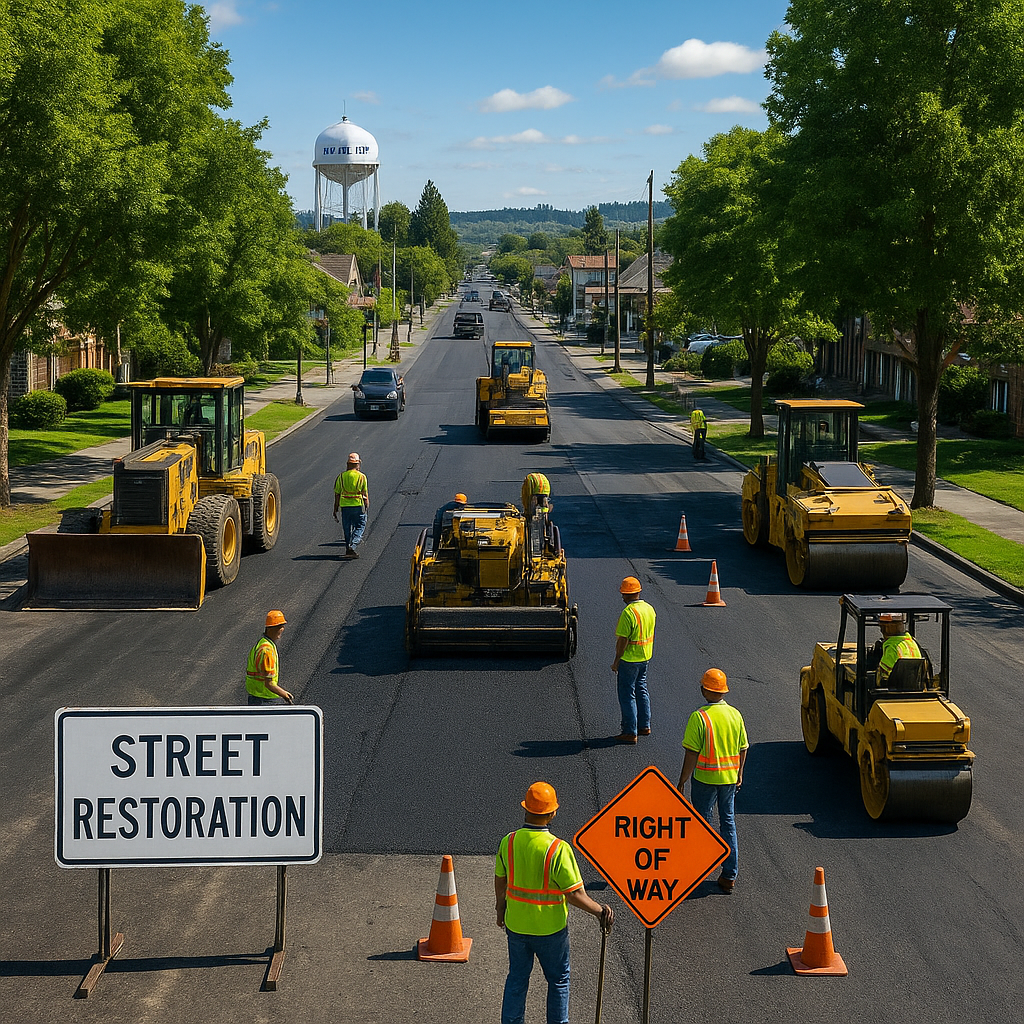
    Have you ever driven through a neighborhood and noticed fresh, smooth asphalt where there used to be a patchwork of gravel or a rough cut? That seamless repair didn’t happen by magic. Behind every successful street restoration project in places like Sumner, Washington, there’s a quiet but powerful safeguard at work: a street restoration bond. If you’re a contractor, a project manager, or just a curious resident who wants to understand how the city keeps its roads in top shape, you’re in the right place. Let’s unpack what a City of Sumner WA street restoration bond actually is, why it matters, and how it helps everyone sleep a little better at night.

    What Exactly Is a Street Restoration Bond?

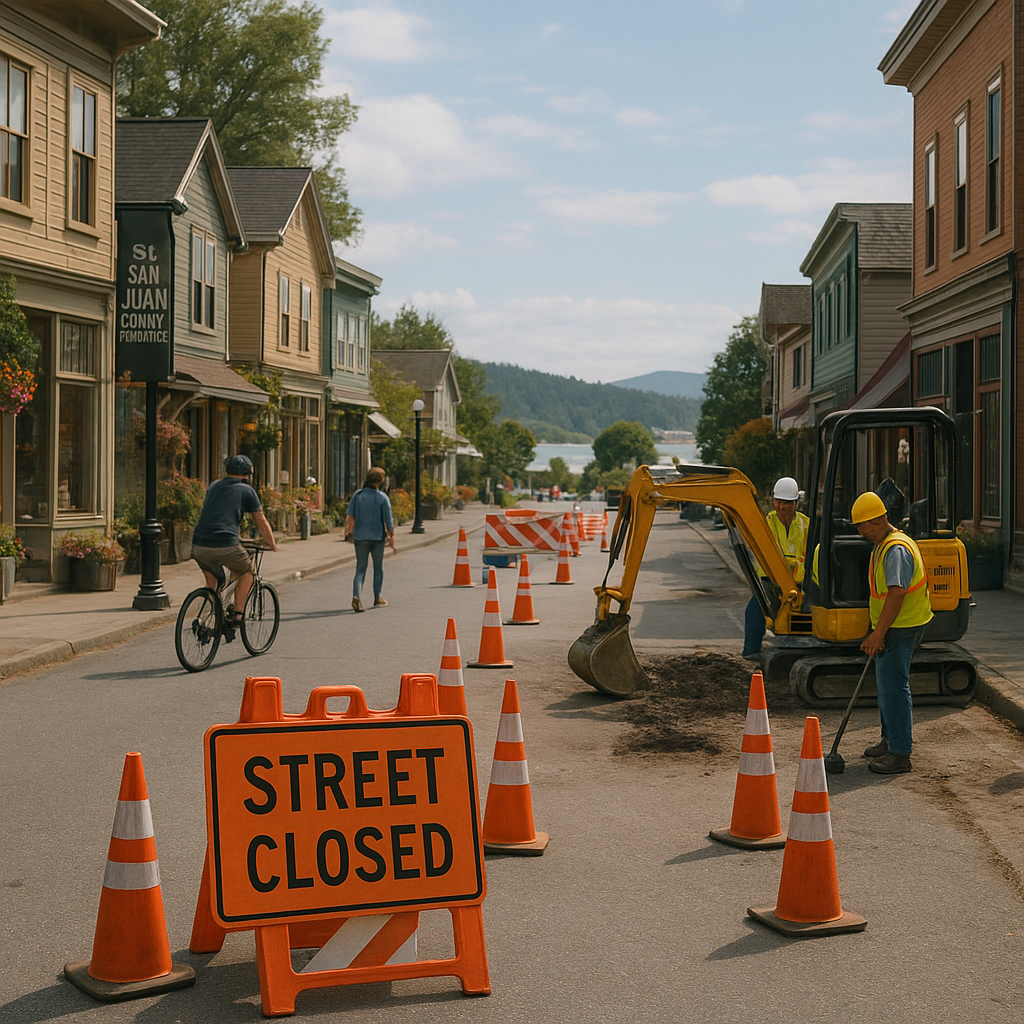
    Think of a street restoration bond as a promise. It’s a type of surety bond that contractors must secure before they dig into public streets, sidewalks, or right-of-ways. Whenever utility lines need to be installed, water mains replaced, or sewers repaired, the pavement has to be cut open. The bond guarantees that once the underground work is finished, the contractor will restore the surface to the city’s standards—or even better.

    In simple terms, the bond is a financial safety net. If the contractor fails to patch the road properly, doesn’t compact the soil enough, or leaves the site in a mess, the City of Sumner can step in. The bond funds then cover the cost of hiring someone else to fix it. This prevents taxpayers from footing the bill for shoddy work. It’s a lot like a security deposit on an apartment; the landlord holds it to make sure you leave the place in good condition.

    Why Sumner, WA Puts a Strong Emphasis on Right-of-Way Restoration

    Sumner is a vibrant community that balances small-town charm with steady growth. As new businesses open and neighborhoods expand, infrastructure work becomes inevitable. Every time a crew opens up a street, it disrupts not just the pavement but also the daily flow of life. A poorly restored road can lead to bumpy rides, water pooling, and even safety hazards. That’s why the city requires a right-of-way restoration bond. It holds contractors accountable for more than just filling a hole—it demands a durable, long-lasting repair.

    You might wonder, “Isn’t a general contractor’s license enough?” Not quite. A license shows competence, but a bond specifically dedicates funds to the restoration itself. It’s a targeted promise that says, “Yes, I will make this street look and function as if it was never touched.” The City of Sumner takes this seriously because the right-of-way belongs to everyone. It’s the community’s shared space, and it deserves to be protected.

    The Human Side of Infrastructure Protection

    Let’s bring this down to a personal level. Imagine you live on a quiet street in Sumner. A contractor comes through to upgrade the gas lines, leaving behind a temporary patch that sinks a few weeks later. Now your car jolts every time you pull out of the driveway. Without a restoration bond, getting that fixed could involve lengthy negotiations, phone calls to the city, and a whole lot of frustration. With the bond in place, the city already has the leverage—and the financial backing—to make things right quickly. It removes the burden from your shoulders.

    How the Street Restoration Bond Process Works

    Getting a street restoration bond isn’t wildly complicated, but it does follow a clear path. Here’s a breakdown that’s free of confusing jargon.

    • The City Sets the Requirement: Before you obtain a permit to excavate in Sumner’s right-of-way, city officials will tell you the bond amount needed. This amount is typically based on the scale of the project and the area of pavement being disturbed.
    • Finding a Surety Provider: You’ll contact a bond agency or insurance company that offers surety bonds. They’ll look at your financial history, experience, and credit score. It’s similar to applying for a loan, but instead of borrowing money, you’re borrowing the company’s trust in your ability to finish the job correctly.
    • Paying the Premium: You don’t pay the full bond amount. You pay a small percentage as a premium—often between 1% and 5% for well-qualified contractors. A $20,000 bond might only cost you a few hundred dollars out of pocket.
    • Filing the Bond: Once you pay the premium, the surety issues the bond. You then file this document with the City of Sumner as part of your permit application.
    • Work and Restoration: You complete your underground work and carefully restore the street. The city inspects the restoration. If everything passes, the bond remains inactive. If not, the city can make a claim.

    A Quick Analogy: It’s Like Baking a Cake, Then Cleaning the Kitchen

    Think of the excavation work as baking a magnificent cake in someone else’s kitchen. You borrow their oven, their mixing bowls, and their countertops. The street restoration bond is your promise that after the cake is done, you’ll scrub every surface, put away every tool, and leave the kitchen spotless. If you rush out and leave a sticky mess, the homeowner (the city) uses your deposit to hire a professional cleaner. Simple, right?

    Who Needs This Bond and When?

    If you’re any type of contractor—plumber, electrician, general excavator, or utility specialist—and your project will cut into a Sumner street, alley, or sidewalk, you’ll almost certainly need a street restoration bond. This includes:

    • Installing or repairing water and sewer lines.
    • Running new fiber optic cables or gas pipes.
    • Sidewalk replacements or driveway approaches that touch the right-of-way.
    • Any work that disturbs the asphalt or concrete surface of a public road.

    Even smaller jobs that seem quick may trigger this requirement. When in doubt, ask the City of Sumner’s public works department. They can guide you on the exact bond amount and any special conditions for your project.

    The Ripple Effect: How Bonds Benefit the Whole Community

    When you zoom out, a street restoration bond does much more than just fix a patch of asphalt. It preserves property values, keeps pedestrians and drivers safe, and maintains the aesthetic appeal of Sumner’s neighborhoods. Imagine how quickly a beautiful area can look run-down if every utility trench turned into a permanent scar. The bond system prevents that slow decline.

    Local businesses benefit too. A smooth, well-maintained street invites customers. Tourists driving through town get a positive impression—maybe they’ll stop for coffee or explore a shop. Infrastructure isn’t glamorous, but it’s the foundation of daily life. The bond quietly upholds that foundation without anyone even realizing it’s there.

    What Happens if Someone Skips the Bond?

    You might wonder if contractors ever try to sidestep the requirement. In rare cases, yes. But working without a required bond can mean immediate permit revocation, fines, and a damaged reputation. More importantly, if the restoration fails, the contractor is now directly liable for the entire repair cost. That liability can easily balloon into tens of thousands of dollars. A few hundred dollars in bond premium suddenly looks like a brilliant investment.

    Common Questions About the Sumner WA Street Restoration Bond

    How long does the bond coverage last?

    The bond typically remains in effect for a set maintenance period after the restoration is completed and approved. This could be anywhere from one to two years, depending on the city’s ordinance. During that window, if the pavement settles, cracks, or develops a pothole related to the work, the city can still file a claim. It’s a warranty period that gives everyone peace of mind.

    Is a street restoration bond the same as a performance bond?

    They share a similar spirit, but they’re not identical. A performance bond covers the entire construction project from start to finish. A street restoration bond zeroes in specifically on the pavement and surface repair within the public right-of-way. In Sumner, you might need both depending on the project’s scope. Always check with your surety expert and the city to avoid any gaps.

    Can I use one bond for multiple projects in Sumner?

    Sometimes, yes. Contractors who regularly work in the city might be able to secure a blanket street restoration bond. This covers several small jobs under one umbrella, saving time and paperwork. Your surety agent and the city can tell you if you qualify. It’s a great option if you frequently handle water service replacements or similar recurring tasks.

    Making the Bonding Experience Less Intimidating

    If you’re a contractor who’s never obtained a surety bond before, the process might feel a little nerve-racking. But it doesn’t have to be. The best approach is to work with a reputable bond agency that knows Sumner’s specific requirements. They’ll walk you through the application, explain what impacts your premium rate, and help you gather the right documents. Small issues like a low credit score don’t automatically disqualify you; they might just adjust the premium slightly. Honesty and a clear explanation of your experience go a long way.

    For residents, knowing that this system exists is empowering. You can take comfort in the fact that the city has a structured way to protect the roads you travel every day. The next time you see a crew cutting into the street, you’ll understand the financial and legal guardrails that surround that work.

    Thinking Ahead: A Smoother Road for Everyone

    Infrastructure might not be the most thrilling dinner table topic, but it connects all of us. The City of Sumner’s street restoration bond requirement is a forward-thinking measure. It anticipates the reality that construction doesn’t end when a trench is backfilled. The true finish line is crossed when the road is smooth, the paint lines are crisp, and the puddles no longer form where they shouldn’t. By requiring a bond, Sumner ensures that the company tearing up the street today is the same company standing behind that patch next winter.

    So, whether you’re a contractor gearing up for your next project or a homeowner who simply wants the best for your neighborhood, you now have a clearer picture. The street restoration bond is more than paperwork—it’s a collaborative promise among the city, the contractor, and the community. And when that promise is kept, we all enjoy the result: streets that are safe, beautiful, and built to last.

  • Understanding Tow Truck Operator Bonds and Liability in Washington State

    Imagine you’re parked on a busy Seattle street, only to return and find your car gone. Your heart sinks. After a frantic call, you learn it was towed. Beyond the frustration and fees, have you ever wondered what protects you if something goes wrong during that tow? That’s where a special kind of financial promise called a Washington Registered Tow Truck Operator Bond steps in. It might sound like complicated paperwork, but it’s really a shield designed for everyday people like you.

    Walking through this topic doesn’t have to feel like navigating a maze. Let’s break it all down in plain, friendly language. We’ll explore what this bond is, why it matters in the Evergreen State, and how it connects to something called third-party liability.

    So, What Exactly Is a Tow Truck Operator Bond?

    Think of a bond as a safety net made of three layers. The first layer is the tow truck company (the principal) who needs to follow the rules. The second layer is the state of Washington (the obligee) that requires the bond. The third layer is you, the public—anyone who could be harmed by the tow operator’s actions. If the operator does something that breaks the rules or causes damage, that safety net catches you financially.

    Unlike typical insurance, which protects the business itself, a tow truck operator bond is all about third-party liability. It protects other people and their property. If a tow company damages your car’s bumper while hooking it up, or fails to honor a contract after you’ve paid for storage, this bond can help make things right.

    It’s not a monthly policy the operator taps into for their own fender benders. It’s a legal guarantee they’ve posted money to prove they’ll act responsibly. If they don’t, the bond is there to pay valid claims up to a certain amount.

    Why Washington State Requires This Bond

    Washington wants to keep its roads and consumers safe without creating a pile of headaches. The Department of Licensing oversees registered tow truck operators, and one of their main requirements is securing a proper bond. Why? Because towing isn’t just about hauling steel; it’s an industry built on trust during stressful moments.

    Without this requirement, a dishonest or careless operator could leave you with a crumpled quarter panel and a shrug. The state uses the bond as a gentle but firm nudge, reminding every operator: “Follow the laws, or you’ll have to answer for it financially.”

    Here’s the core idea. The bond acts like a referee that’s always watching. If an operator violates the Revised Code of Washington or the state’s administrative rules, they can face a claim. This keeps the playing field fair for honest businesses that do great work, and it gives vehicle owners a concrete way to seek restitution.

    Breaking Down “Third-Party Liability” Without the Jargon

    Let’s give that fancy term a story. Picture a triangle. In one corner stands the tow company, in another corner stands the state government, and in the last corner stands a regular person—maybe you, maybe your neighbor. The bond exists to protect the person in that third corner, hence the term third-party liability.

    What might actually trigger a valid claim?

    • Property damage to your vehicle while in the operator’s care.
    • Failure to return personal items left in a towed car.
    • Charging fees far above the legally allowed rates.
    • Refusing to release a vehicle after you’ve met all legal requirements.

    In any of these situations, you’re not left shouting into the wind. The bond gives you a path to recovery. It essentially guarantees that the operator has skin in the game—money set aside specifically for honoring their responsibilities to you.

    How the Bond Differs From Regular Tow Truck Insurance

    This is where even smart folks get tangled up. Isn’t the bond just another type of insurance? Not quite. A liability insurance policy protects the tow company when their truck causes an accident on the road. It might pay for the other driver’s medical bills or a crushed mailbox.

    The Washington tow truck bond, on the other hand, is a credit-based product. The operator pays a small percentage of the total bond amount as a premium. But if a claim is paid out, the bonding company will come back to the operator and demand every penny repaid. Think of it like this: insurance expects bad things might happen and covers it. A bond expects good behavior and punishes bad moves by making the operator personally pay in the end.

    Both play crucial roles. The bond is about moral and legal obligations to the public. Insurance is about accidents and unforeseen events. A responsible operator in Washington needs both to be fully protected and compliant.

    Who Needs a Washington Registered Tow Truck Operator Bond?

    Not every single person with a pickup truck needs this bond. The requirement specifically applies to businesses operating as registered tow truck operators under Washington state law. If you’re running a company that tows vehicles for the public—whether impounding cars for a private lot, responding to police calls, or offering roadside assistance—you’ll likely need this bond before you can get or renew your license.

    The Department of Licensing will check. Operating without the required bond can lead to fines, suspension of your registration, and a world of legal trouble that’s just not worth the risk. For consumers, this means you can ask to see proof. A reputable operator won’t hesitate to show they’re bonded and following the rules.

    What Happens If Someone Files a Claim? A Real-World Look

    Let’s walk through a practical example. Say you come back to a parking lot and your sedan is gone. You locate it at an impound yard. When you arrive to pay the fees and reclaim it, you discover a long scratch along the driver’s side that absolutely wasn’t there before. The operator denies responsibility and refuses to cover the repair cost.

    Here’s how the bond enters the picture:

    • You gather evidence: photos, receipts, witness statements.
    • You determine the bonding company that backs the tow operator. This information is usually a matter of public record through the state.
    • You file a claim directly with that bonding company, detailing the violation and the damages.
    • The surety investigates. If they find your claim valid, they’ll pay you up to the bond’s full value.
    • Afterward, the bonding company turns to the tow operator and demands full reimbursement of that payment, plus any legal costs.

    This process isn’t instant magic, but it provides a layer of accountability that wouldn’t otherwise exist. The bond becomes a powerful motivation for operators to handle vehicles carefully and treat customers fairly.

    What’s the Typical Bond Amount in Washington?

    The required bond amount can vary based on the type of operation, but for a standard registered tow truck operator, the state typically sets a specific sum, often around $5,000 to $10,000. You’ll want to check the most current Washington Administrative Code for the exact figure tied to your license class. The cost the operator actually pays, however, is just a fraction of that total. A business with solid credit might secure a $10,000 bond for just a few hundred dollars a year.

    For consumers, the key takeaway is knowing a meaningful pot of money stands available should serious problems arise. It’s not a limitless fund, but it covers many common issues.

    Steps to Get a Washington Tow Truck Operator Bond

    If you’re an operator reading this, the path to compliance is simpler than you might fear. Here’s the general route you’ll follow:

    • Confirm Your Requirement: Check with the Washington State Department of Licensing to know the exact bond form and amount needed for your registration.
    • Gather Your Information: You’ll need business details, your license number, and perhaps personal credit information for underwriting.
    • Apply Through a Surety Company: Work with a trusted bond agency. They’ll ask a few straightforward questions to generate a quote.
    • Pay the Annual Premium: This is a small percentage of the bond total. You won’t need to tie up the full bond amount as cash.
    • File the Bond: The agency sends the official bond form to you, and you submit it to the state as part of your license packet.

    Once filed, you can proudly display your bonded status. It tells customers you stand behind your work and you respect their rights.

    Why This Matters to Every Washington Driver

    You might not think about tow truck bonds until you’re standing in a dark, rainy lot, fumbling for your wallet. In that vulnerable moment, knowing that a system exists to protect you can offer real peace of mind. This bond doesn’t just sit in a drawer; it actively shapes how tow companies operate in our state.

    When an industry is held to a standard of financial responsibility, the number of fly-by-night operators shrinks. The bond weeds out those who can’t afford to back up their promises. It encourages better training, gentler handling of vehicles, and more transparent dealing with customers.

    Common Questions About Tow Truck Bonds and Liability

    Does a bond cover everything my insurance doesn’t?

    Not exactly. The bond focuses specifically on violations of state regulations and direct harm to a third party caused by the operator’s unlawful or negligent actions. Your auto insurance handles crashes on the road. Workers’ comp covers employee injuries. Each piece has its role. They fit together like puzzle pieces to create full protection.

    Can I buy a bond with bad credit?

    Yes, in many cases you can. The premium might be a bit higher, but surety companies often look at the whole picture. Bad credit doesn’t automatically lock you out of getting bonded, particularly for smaller required amounts. It just changes the price you’ll pay for the year.

    What if a tow operator in Washington refuses to give me bond information?

    That’s a red flag. Registered operators are expected to maintain public records of their bond. You can typically find the bonding company and policy number through the state’s licensing database or by requesting it directly. If a business hides that information, consider reporting your concerns to the Department of Licensing.

    Bringing It All Together: Trust Built on Tangible Action

    Tow truck operator bonds might seem like a dusty legal concept, but they live and breathe in the real world of crumpled fenders, disputed fees, and late-night towing dramas. In Washington state, that bond is a quiet promise that says, “If I mess up, you won’t be left holding the pieces alone.”

    For operators, it’s a badge of credibility that separates a serious business from a risky gamble. For drivers, it’s a lifeline you hope you’ll never need, but you’ll be grateful for if trouble finds you. Next time you see a tow truck rolling down I-5, you’ll know a little more about the hidden safety net riding along with it.

  • Understanding Washington’s Fire Sprinkler Contractor License and Bond Requirements

    Navigating the world of contractor licensing can feel like learning a new language. If you’re looking to install, repair, or maintain fire sprinkler systems in Washington State, you’ve likely stumbled across terms like “Level I,” “Level II,” and “Level I&T.” Combine that with the phrase “license bond,” and it’s easy to feel a little overwhelmed. Don’t worry—we’re going to break it all down in plain, everyday English. By the time you finish reading, you’ll understand exactly what these licenses mean, why the bond exists, and how it all works to protect you and the public.

    What Are Washington’s Fire Sprinkler Contractor License Levels?

    Washington State doesn’t offer a one-size-fits-all license for fire sprinkler contractors. Instead, the Department of Labor & Industries (L&I) issues three distinct classifications, each tailored to the type of work you plan to perform. Think of them as different driving licenses—you wouldn’t use a standard car license to operate a commercial truck, right? The same logic applies here. The three levels are Level I, Level II, and Level I&T.

    Each level comes with its own scope of work, experience requirements, and bond obligation. Understanding the differences upfront will save you from missteps that could delay your business launch or land you in hot water with state regulators.

    Level I Fire Sprinkler Contractor

    A Level I license is designated for contractors who work on new installations of fire sprinkler systems in residential buildings, specifically one- and two-family dwellings. If your business focuses solely on putting sprinklers into new homes, this is likely your starting point. The work is limited to residential structures up to two units, so you won’t be venturing into large apartment complexes or commercial high-rises with this classification.

    Level II Fire Sprinkler Contractor

    Level II is the broader license, allowing contractors to tackle all types of fire sprinkler work—commercial, residential, new installations, retrofits, repairs, and alterations. Essentially, if it involves a fire sprinkler system, a Level II contractor can handle it. Because of this wider scope, the experience and examination requirements are more rigorous. You’ll need to demonstrate a deeper knowledge of hydraulic calculations, system design, and National Fire Protection Association (NFPA) standards.

    Level I&T (Inspection & Testing) Fire Sprinkler Contractor

    The I&T license is focused exclusively on inspection and testing. Holders of this license cannot install or modify sprinkler systems. Their job is to verify that existing systems are functioning correctly, checking water flow, valve status, and alarm signals. If a commercial building needs its annual fire sprinkler inspection to satisfy the local fire marshal, a licensed I&T contractor is the one called in. This is a fantastic entry point for businesses that want to specialize in maintenance rather than construction.

    Why Do You Need a License Bond? The Third-Party Liability Explained

    Now that you know which license fits your goals, let’s talk about the bond. Washington requires all three levels to secure a surety bond, often called a “Fire Sprinkler System Contractors License Bond.” But what exactly is a bond, and why is the state asking for one? A common misconception is that this bond protects you, the contractor. It doesn’t. It’s designed to protect third parties—your customers and the state.

    Picture a bond as a financial safety net. When you buy a bond, you’re essentially promising to follow all applicable laws, codes, and contractual agreements. If you fail to do so and cause financial harm to a client, that client (or the state) can make a claim against your bond to recover losses. The bonding company pays out first, but here’s the kicker—you must pay them back in full. So, while it safeguards the public, it keeps you accountable.

    This is known as third-party liability protection. It gives your customers confidence that they won’t be left holding the bag if a job goes wrong. It also demonstrates to the state that you are financially responsible enough to cover potential damages up to the bond amount.

    How Much Does the Washington Fire Sprinkler License Bond Cost?

    The required bond amount is set by the state. As of now, Washington mandates a $6,000 surety bond for all three license levels—Level I, Level II, and Level I&T. The good news: you do not need to pay $6,000 out of pocket. That’s the total coverage amount, not the price you pay.

    What you pay is a small percentage of that total, called the bond premium. Premiums typically range from 1% to 5% for contractors with good credit. So, you might pay somewhere between $60 and $300 annually to secure your $6,000 bond. The exact rate depends on your personal credit score, business financials, and the surety company’s underwriting guidelines. If your credit is a bit rocky, you’ll still be able to obtain a bond, though the premium may be higher.

    Who Specifically Needs This Bond?

    You need a Washington Fire Sprinkler System Contractors License Bond if you are applying for or renewing any of the three contractor licenses from L&I. This applies whether you are a sole proprietor, a partnership, a limited liability company (LLC), or a corporation. The bond must be continuous, meaning it remains in effect until canceled. Should you let the bond lapse, the state will suspend your license, and you won’t be able to work legally.

    Think of the bond as a key that unlocks your ability to operate. Without it, your license application is incomplete. The bond form must list the exact business name and license number as registered with the state. It also specifies that the obligee is the State of Washington, for the benefit of any person injured by your unlawful or faulty actions.

    How to Get Your License and Bond: A Simple Roadmap

    Feeling ready to jump in? Here’s a practical path to getting licensed and bonded.

    Step 1: Determine Your License Level

    Decide if your work will be new residential installs (Level I), full-service fire sprinkler work (Level II), or inspection and testing only (Level I&T). Your choice dictates which exam you’ll take and what work you can legally perform.

    Step 2: Meet Experience and Exam Requirements

    Washington requires proof of experience. For Level II, you’ll need several years working under a licensed fire sprinkler contractor. You’ll also need to pass a competency exam covering NFPA standards, the International Residential Code, and the Revised Code of Washington (RCW) relevant to fire protection. Level I&T candidates must pass an exam focused on NFPA 25, the standard for inspection, testing, and maintenance.

    Step 3: Purchase Your $6,000 Surety Bond

    Reach out to a licensed surety bond agency. Provide your basic information and credit history. You’ll receive a quote quickly, often within minutes. Once you pay the premium, the agency will issue a bond form to you or directly to L&I.

    Step 4: Submit Your Application to L&I

    Complete the contractor license application, attach your proof of examination, and include the original bond document. Pay the state licensing fee. Then, wait for approval. Once you get the green light, you’re officially licensed.

    What Happens If a Claim Is Filed Against Your Bond?

    Let’s tackle a scenario because it helps make the concept real. Suppose you’re a Level I&T contractor hired to inspect a warehouse’s sprinkler system. You certify it as fully operational, but a month later, a small fire breaks out and the sprinklers fail due to a valve you missed. The warehouse owner suffers water and smoke damage. They might file a claim against your $6,000 bond to recoup repair costs.

    The surety company will investigate. If the claim is valid, they’ll pay the owner up to the bond limit. That’s the protection the bond provides the public. But remember—the contractor, you, must reimburse the surety for every penny paid out. This is why it’s crucial to operate ethically, follow code, and carry additional liability insurance. The bond is not an insurance policy for your mistakes; it’s a credit line you pay back.

    Common Questions People Ask

    Is the bond the same as liability insurance?

    No, they are fundamentally different. Liability insurance protects you if something goes wrong—your insurer covers costs and you typically aren’t required to repay them. A bond protects the consumer and the state, and you must repay the surety company for any claims paid. Many contractors carry both for maximum security.

    Can I change my license level later?

    Absolutely. If you start with a Level I and want to expand into commercial work, you’ll need to pursue Level II. You’ll have to retest under the appropriate scope and update your license. Your bond may remain the same, but always confirm with L&I.

    What if I let my bond expire?

    Your license becomes immediately invalid. Working without a valid license in Washington can lead to fines, stop-work orders, and damage to your professional reputation. Set reminders to renew your bond annually. Most agencies offer automatic renewal to keep things seamless.

    Bringing It All Together

    Washington’s system of Level I, Level II, and Level I&T licenses ensures that fire sprinkler contractors have the specific expertise their job demands. The bonding requirement adds a layer of consumer confidence and legal compliance. While the process may seem bureaucratic at first glance, each part serves a purpose—keeping buildings safe and tradespeople accountable.

    Take a moment to evaluate the type of work you love doing. Are you drawn to the precision of inspections? Level I&T might be your sweet spot. Prefer building new homes? Go Level I. Want to tackle complex commercial systems? Level II is calling your name. No matter which path you choose, securing your Washington fire sprinkler contractor license bond is a straightforward, affordable step that opens the door to a rewarding career.

    If you have any lingering doubts, reach out to a professional bond provider or the L&I contractor licensing team. They’re equipped to guide you through the specifics. Here’s to getting you licensed, bonded, and on the job—keeping Washington safe one sprinkler at a time.

  • Understanding Washington State Vehicle Dealer Bonds and Their Importance

    So you’re diving into the world of manufactured home sales in Washington state. Perhaps you’ve been selling traditional homes and want to branch out, or you’re starting fresh with a dealership that offers new or new and used manufactured homes. Either way, you’ve likely stumbled across the term “Washington Vehicle Dealer Bond” and wondered, “Wait, a vehicle bond for houses?” It might sound confusing at first, but don’t worry—you’re about to get the full picture in plain, simple language.

    What Exactly Is a Washington Vehicle Dealer Bond for Manufactured Homes?

    Let’s clear up that name right away. In Washington, the Department of Licensing regulates manufactured home dealers under the same umbrella as motor vehicle dealers. Because manufactured homes are titled similarly to vehicles, the state requires a surety bond called a Washington Vehicle Dealer Bond. Think of it not as a bond for cars, but as a financial safety net that protects your customers and the public. It’s a promise that you’ll play by the rules.

    A surety bond involves three parties: you (the dealer), the state (the obligee), and the surety company that backs the bond. If you fail to follow Washington’s dealer laws—say, by misrepresenting a home’s condition or not delivering a title—someone can file a claim against your bond. The surety then steps in to make things right, up to the bond amount. Later, you’ll need to repay the surety. It’s like having a co-signer who trusts you to do the right thing but will cover the bill if you slip up.

    Why Does Washington Require This Bond?

    Imagine buying a beautiful new manufactured home, handing over your hard-earned money, and then discovering the dealer forged documents or never actually owned the home. That nightmare scenario is exactly what the bond is designed to prevent—or at least remedy. Washington state wants to ensure that every manufactured home retail dealer operates ethically and transparently. The bond is a mandatory licensing requirement that gives consumers a clear path to financial recovery if they’re wronged.

    For you, the dealer, the bond isn’t just a piece of red tape. It’s a signal to your customers that you’re legitimate, trustworthy, and backed by a financial guarantee. Many savvy manufactured home buyers specifically look for licensed and bonded dealers. It tells them, “This business takes its obligations seriously.” So while the bond protects them, it also boosts your reputation in a competitive market.

    Who Needs a Manufactured Home Retail Dealer Bond?

    If you’re selling manufactured homes in Washington as a retail dealer—meaning you sell directly to the public—you almost certainly need this bond. The state distinguishes between new-only dealers and those who sell new and used homes. The bond requirement applies to both categories, though the specific bond amount might vary depending on your license type. For example:

    • New Manufactured Home Retail Dealer: You sell only brand-new manufactured homes straight from the factory.
    • New and Used Manufactured Home Retail Dealer: Your inventory includes both new units and pre-owned (used) manufactured homes.

    Even if you’re a small operation running out of a modest lot, the bond is non-negotiable. You’ll need to secure it before the Department of Licensing issues or renews your dealer license. It’s one of the first boxes to tick on your journey to opening your doors.

    How Much Does a Washington Vehicle Dealer Bond Cost?

    The bond amount—the maximum coverage—is set by the state, often ranging from $10,000 to $30,000 for manufactured home dealers. Don’t let that number scare you, though. You aren’t paying that full amount out of pocket. Instead, you pay a small percentage called the premium. Typically, premiums run between 1% and 5% of the total bond amount.

    So, if your required bond is $20,000 and you qualify for a 1.5% premium, you’d pay just $300 for a year of coverage. The exact rate depends on your personal credit score, financial history, and sometimes experience in the industry. A strong credit profile can land you near the 1% mark, while a spottier credit history might push you toward 5%. Still, even at the higher end, it’s a manageable expense compared to the cost of losing your license or facing a lawsuit without protection.

    Quick Factors That Influence Your Bond Premium

    • Personal credit score
    • Years of experience as a dealer
    • Financial statements and business assets
    • Any prior bond claims or legal issues

    Getting Your Bond: The Process Made Simple

    Applying for a Washington vehicle dealer bond is surprisingly straightforward. You don’t need to spend hours on paperwork or decode complicated legalese. Here’s a typical step-by-step:

    1. Confirm your required bond amount. Check with the Washington Department of Licensing or your license application packet. The amount depends on whether you sell new only or new and used manufactured homes. When in doubt, ask a surety bond professional—they deal with these requirements daily.

    2. Fill out a quick application. Most surety companies offer an online form that takes about ten minutes. You’ll provide basic details about your business, your personal information, and consent for a soft credit check.

    3. Receive your quote. Within hours, you’ll get a premium quote. No surprises. If you like the number, you can usually pay online right then and there.

    4. Get your bond form. The surety issues the official bond document. You’ll file this with the Department of Licensing as part of your license application or renewal. Some suretistes even file it for you electronically.

    The entire process can be completed in a single business day, sometimes within minutes after approval. It’s a small administrative step that paves the way for your big venture.

    What Happens if Someone Files a Claim Against Your Bond?

    This is the part no dealer wants to think about, but it’s important to understand. If a customer believes you’ve violated state regulations—for example, by selling a home without a clear title, engaging in deceptive advertising, or failing to pay off a lien—they can file a claim against your bond. The surety company will investigate. If the claim is valid, the surety pays the claimant up to the bond’s limit.

    And here’s the key: you must repay every penny the surety paid out. It’s not insurance that covers your mistakes for free. Think of it like a loan that springs into action when something goes wrong. That’s why it’s crucial to operate with honesty and transparency at all times. One valid claim can also make it harder—and more expensive—to get bonded in the future.

    Keeping Your Bond Active and Your License Safe

    Your vehicle dealer bond isn’t a one-and-done deal. It must stay active for as long as your license remains valid. Most bonds renew annually, and you’ll receive a reminder when your premium is due. If the bond lapses, the Department of Licensing can suspend your license faster than you might think. No bond, no selling. It’s that simple.

    To avoid interruptions, set a calendar reminder a month before renewal. If your financial situation has improved, you might even qualify for a lower premium next year. And if your credit took a hit, at least you’ll have time to shop around for a better rate.

    Common Questions Manufactured Home Dealers Ask

    “Is this the same bond as a motor vehicle dealer bond?”

    Functionally, yes. Washington treats manufactured home retail dealer bonds under the same regulations as vehicle dealer bonds. The name can cause confusion, but the purpose is identical: consumer protection. Just make sure the bond clearly states it covers manufactured home retail dealer activities.

    “Can I cancel my bond if I stop selling manufactured homes?”

    You can, but you must first formally close your dealer license with the state. Canceling the bond while your license is still active will lead to immediate license suspension. And remember, even after you cancel, a bond may have a tail period where claims can still be filed for actions that occurred while the bond was in force.

    “What if I already have a bond for another type of dealership?”

    Different license types usually require separate bonds. Don’t assume your existing motor vehicle dealer bond covers manufactured home sales. Always verify with the Department of Licensing to avoid gaps.

    The Hidden Perk: Bonding Builds Trust

    Beyond the legal requirement, your Washington vehicle dealer bond is a powerful marketing tool. In a world where manufactured home buyers might feel nervous about big-ticket purchases, being able to say “We are fully licensed and bonded by the state of Washington” immediately sets you apart. Use it on your website, your social media profiles, and even your business cards. It reassures customers that there’s a safety net behind every transaction.

    When you reframe the bond from an annoying expense to a badge of trustworthiness, it becomes part of your brand’s story. That story matters when families are deciding where to buy the home they might live in for decades.

    Ready to Secure Your Bond?

    Understanding Washington state vehicle dealer bonds for manufactured home retailers doesn’t have to be overwhelming. At its core, it’s a simple financial guarantee that protects your customers and keeps your business in compliance. With premiums often costing just a few hundred dollars a year, it’s one of the most affordable investments you’ll make in your dealership’s future.

    Take the first step today: confirm your required bond amount, compare a few surety quotes, and file that bond with your license application. Soon enough, you’ll be handing over the keys to a family’s new dream home—with your reputation secure and your legal bases covered.

  • Understanding Seattle’s Street Use and Occupation Bond Regulations

    If you’ve ever walked past a construction site in Seattle and wondered how crews can legally block a sidewalk or take over a parking lane, the answer often comes down to a little-known but essential requirement: the Street Use and Occupation Bond. It might sound like bureaucratic jargon, but it’s actually a straightforward way the City of Seattle protects public spaces while allowing important work to move forward.

    Whether you’re a contractor, a business owner planning a renovation, or just a curious resident, understanding this bond can save you from unexpected delays—and unexpected costs. Let’s break it down in plain, friendly language.

    What Is a Street Use and Occupation Bond?

    Think of a street use bond as a promise backed by money. When the City of Seattle gives you permission to use part of a public street, sidewalk, or alley for construction, staging materials, or even a special event, they’re essentially renting you a piece of the public right-of-way. But with that permission comes responsibility. The bond is there to say, “If you damage the street or leave a mess, the city has funds to fix it—without chasing you down.”

    In technical terms, it’s a type of surety bond. Three parties are involved: the city (who requires the bond), you or your company (the principal), and a surety company that issues the bond. The bond guarantees that you’ll follow all permit conditions, restore the area to its original condition, and pay any fees or penalties if something goes wrong. If you don’t, the surety steps in—but you’ll ultimately have to pay them back.

    Why Does Seattle Require This Bond?

    Imagine if someone dug up a lane of a busy street and then just left a giant pothole behind. Public safety would suffer, and taxpayers would be stuck with the repair bill. The City of Seattle uses the Street Use and Occupation Bond to prevent exactly that.

    Seattle’s streets, sidewalks, and planting strips are public property managed by the Seattle Department of Transportation (SDOT). When private work spills into these areas, the city needs a financial safety net. The bond protects:

    • The physical condition of the pavement, curbs, and utilities
    • Pedestrian and traffic safety during the project
    • Neighborhoods from unsightly or hazardous leftovers after the work is done

    It’s really about fairness—those who benefit from using public space shoulder the risk, not the entire community.

    Who Needs to Get a Street Use Bond?

    Not every project requires a bond, but many do. You’ll typically need one if your work involves occupying or altering the public right-of-way in Seattle. Common scenarios include:

    • Construction and remodels: When a contractor needs to place a dumpster, scaffolding, or a crane on the street or sidewalk.
    • Utility work: Trenching to install or repair water, sewer, gas, or fiber optic lines under the pavement.
    • Sidewalk repair or driveway installation: Even if you’re fixing the sidewalk in front of your house, if it’s in the public right-of-way, a bond might be required.
    • Special events: A street festival or block party that closes a road sometimes needs a bond, though smaller events may only need insurance.
    • Film and photo shoots: Setting up equipment on a sidewalk or closing a lane of traffic.

    The key document is your Street Use Permit from SDOT. If the permit lists a bond as a condition, you must obtain it before work begins. Always check the specific permit requirements, because the bond amount can vary based on how much of the street you’re using, how long you’ll be there, and the potential for damage.

    How Much Does a Street Use and Occupation Bond Cost?

    Here’s where many people breathe a sigh of relief: you don’t have to pay the full bond amount upfront. The bond amount might be $5,000, $10,000, or much more—depending on the permit—but what you actually pay is a small premium, usually 1% to 10% of the bond amount per year.

    For a typical $10,000 bond, your annual premium could be as low as $100 to $500, provided your credit and financials are in good shape. The surety company looks at your personal or business credit history to set the rate. Clean, well-managed projects won’t see the bond cost become a budget-breaker. It’s more like an affordable insurance policy you hope to never use.

    Keep in mind that if you have a longer-term project, you might need to renew the bond or maintain it until SDOT officially releases you from the permit obligations. Some bonds are required for the construction phase plus a warranty period to ensure any settlement or pavement failure gets fixed.

    How to Obtain a Street Use and Occupation Bond in Seattle

    Getting a bond can be surprisingly quick, especially if you work with an agency that understands local requirements. Here’s a simple roadmap:

    1. Determine your bond requirement. Read your Street Use Permit conditions carefully. SDOT will specify the bond type (sometimes called a “street use bond,” “occupancy bond,” or “right-of-way bond”) and the amount.
    2. Gather your business information. You’ll need your company’s legal name, address, federal tax ID, and possibly the permit number.
    3. Apply through a surety bond provider. Many online brokers and local insurance agents can issue these bonds. They’ll ask a few questions and run a soft credit check.
    4. Pay the premium and get your bond form. Once approved, you’ll receive the completed bond document. Don’t sign it yourself as the principal until you’re instructed to, but make sure it’s properly executed.
    5. Submit the bond to SDOT. Deliver the original or a certified copy to the city as proof you’ve met the requirement. Without it, your permit won’t be valid for starting work.

    Pro tip: always confirm the exact bond form SDOT expects. Seattle sometimes uses specific wording or additional rider forms. Your surety agent should know how to handle this, but a quick phone call to SDOT’s Street Use division can prevent paperwork headaches.

    What Happens If a Claim Is Filed?

    Let’s be realistic—mistakes happen. A subcontractor might gouge the asphalt or leave concrete washout on the planting strip. If the city inspector finds damage or a violation that isn’t promptly fixed, SDOT can file a claim against your bond. Here’s how it usually unfolds:

    • The city notifies you (and the surety) in writing, describing the issue and the estimated cost to repair it.
    • The surety investigates. If the claim is valid, the surety will either pay to resolve it directly or expect you to handle it immediately.
    • If the surety pays out money to the city, you’re legally obligated to reimburse that full amount. Yes, a claim turns a low-cost bond into a debt.

    That’s why it’s smart to treat the bond as a real financial responsibility. Communicate with your crew, double-check that pavement patches are smooth, and keep the worksite tidy. A little attention prevents a lot of trouble.

    The Ripple Effect: How the Bond Ties Into Your Overall Project

    Think of the street use bond as one piece of a bigger puzzle. In Seattle, street occupation often walks hand-in-hand with other permits—building permits, utility permits, right-of-way construction permits. If your bond isn’t in place, your entire project schedule can stall. No contractor wants to pay crews to stand around because a piece of paper is missing.

    Even homeowners taking on a do-it-yourself sidewalk repair might be surprised by a bond requirement. For example, if a tree root has lifted the sidewalk in front of your house and you hire someone to replace a panel, the city might require a bond to ensure the new concrete meets grade and doesn’t create a tripping hazard later. The bond stays on file until a final inspection passes and a release is issued—sometimes a year or more after the work is done.

    Common Misconceptions About Seattle’s Street Bond

    Many folks confuse a street use bond with general liability insurance. They aren’t the same thing. Insurance protects you from accidents and third-party claims. The bond specifically guarantees your performance under the permit and protects the city’s interest in the public right-of-way. You might need both.

    Another myth is that the bond is refundable. The premium you pay is not a deposit you get back when the job finishes—it’s the cost of obtaining the financial guarantee, much like paying for an annual insurance policy. You can’t get it back once issued, even if your project wraps up early.

    Tips for a Smooth Bonding and Permitting Experience

    Navigating city regulations can feel overwhelming, but a few habits make the process much smoother:

    • Start early. Don’t wait until the day before construction to look into bonds. Some surety approvals take a day or two, and the city will need time to process your documents.
    • Keep good records. Save photos of the site before and after your work. If a claim ever arises, you’ll want proof of the condition you left things in.
    • Ask questions. SDOT staff can clarify which bond amount is right for your project. It’s better to ask than to guess and have your permit application rejected.
    • Work with a knowledgeable surety agent. An agent who frequently handles Seattle street bonds can guide you on the form, the fastest turnaround, and the best rate.

    Wrapping Up: Protecting the City That Protects Your Project

    Seattle’s Street Use and Occupation Bond isn’t a punishment or a hidden tax—it’s a practical tool that keeps the city’s streets safe and well-maintained while letting private work flourish. By understanding how it works and handling it proactively, you avoid surprises and keep your project marching forward.

    Next time you see a sidewalk shed or a lane closure in your neighborhood, you’ll know there’s a quiet bond behind the scenes making sure everything gets put back the way it was. And if you’re the one doing the work, that bond is your ticket to earning trust and keeping Seattle’s public spaces in great shape.

  • Street Obstruction Bonds Enhance Safety in San Juan County Washington

    Picture a quiet morning on Orcas Island. You’re heading to the ferry terminal with a fresh cup of coffee, the salty breeze drifting through your windows. Suddenly, traffic slows. Ahead, a backhoe is clawing into the pavement, orange cones sprouting like mushrooms. A water main gave out overnight, and now a trench slices right across the road. It’s a headache, no doubt. But behind the scenes, a small but mighty promise keeps everyone protected—the street obstruction bond. In San Juan County, Washington, this bond isn’t just a piece of paper. It’s a safeguard that ensures our island roads stay safe, smooth, and fully restored after the dust settles.

    If you’ve ever wondered why some construction barriers vanish in a week while others seem to linger forever, you’re asking the right question. Let’s unpack how a San Juan WA street obstruction bond works, who needs one, and why it’s a quiet hero for our community.

    So, What Exactly Is a Street Obstruction Bond?

    Think of a street obstruction bond like a security deposit for public roads. When a contractor, utility crew, or even a homeowner digs into a street, sidewalk, or alleyway, they’re borrowing property that belongs to everyone. The county says, “Sure, break ground—but promise you’ll put it back exactly how you found it.” The bond is that promise in financial form.

    More formally, a street obstruction bond (often called a right-of-way permit bond) is a type of surety bond. It’s a three-party agreement: the contractor (the principal), the County of San Juan, State of Washington (the obligee), and the surety company that backs the bond. If the contractor leaves a crater in the road or botches the repair, the county can tap the bond to fix the mess without chasing anyone for cash. No taxpayer dollars drained, no finger-pointing.

    Why Does San Juan County Insist on These Bonds?

    Our islands—San Juan, Orcas, Lopez, Shaw, and the smaller gems—face unique challenges. The roads here curve around rocky bluffs and thread through dense forests. They’re lifelines for ferries, emergency vehicles, school buses, and islanders who just need to grab groceries. A poorly patched trench might seem trivial on a suburban boulevard, but on a narrow island lane with relentless rain and heavy logging trucks, it can turn into a tire-eating hazard overnight.

    San Juan County requires a street obstruction bond to protect both its infrastructure and its people. The bond guarantees that any excavation in the public right-of-way follows county codes. The pavement must be restored to the proper grade, packed tight, and sealed against water intrusion. If the work falls short, the bond pays for the county to hire another crew to make it right. For a place where tourism and natural beauty are economic engines, keeping roads in top shape isn’t just a detail—it’s essential.

    Who Needs a Street Obstruction Bond in San Juan County?

    You might think this only applies to big construction firms. In reality, the net spreads wider. If your project touches a county road, sidewalk, or utility easement, you’ll likely need a bond before pulling a permit. Common scenarios include:

    • Plumbers replacing a sewer lateral that crosses under a street.
    • Electrical crews installing underground power lines or fiber optic cables.
    • Contractors paving a new driveway approach from a county road.
    • Landscapers adding drainage systems that connect to roadside ditches.
    • Event organizers placing a temporary stage or crane that blocks a street.

    Even a homeowner acting as their own contractor may need to secure a Washington state street obstruction bond if the county determines the work could risk public safety. The rule of thumb: if you’re scraping, digging, or obstructing anything beyond your property line, expect to talk about a bond.

    How the Bond Process Actually Works

    Let’s walk through a real-world rhythm. Suppose a contractor wins a job to upgrade an aging water line beneath a road on San Juan Island. Before a shovel hits the dirt, they head to the county’s Public Works Department for a right-of-way permit. The county reviews the scope and sets a bond amount. That number fluctuates based on the project’s size, the road’s importance, and the estimated restoration cost. A small driveway cut might need a $2,000 bond; a major trench across a arterial road could require $25,000 or more.

    The contractor then contacts a surety bond agency. The agency checks the contractor’s credit, experience, and financial stability, then issues the bond for a fraction of the total amount—often 1% to 10% of the bond value, paid as an annual premium. The bond is filed with the county, and the permit is issued. When the project wraps up, the county inspects the restoration. If everything looks tight, the bond is eventually released. If not, the county can file a claim to pay for repairs. The contractor remains ultimately responsible for repaying the surety, so there’s strong motivation to do the job right the first time.

    A Quick Analogy to Make It Stick

    Imagine you’re lending your favorite car to a neighbor. You hand over the keys but hold onto a $500 cash deposit. If they return the car with a full tank and zero scratches, they get the cash back. If the bumper comes back scuffed, you use that deposit to fix it. A street obstruction bond acts the same way, just with roads instead of a sedan, and with a professional surety company managing the financial guarantee.

    Real-World Snapshot: A Trench on Lopez Island

    Let’s put skin on this. A local utility company needs to replace a corroded gas line that runs under a quiet Lopez Island road. The crew opens a trench six feet deep and ten feet long. They work efficiently and backfill the hole, but a month later, the patch sinks two inches. Rain pools there, soon becoming a slick hazard for cyclists and motorcycles. A neighbor calls the county.

    Because the contractor posted a San Juan County Washington street obstruction bond, the county’s inspector cites the failed restoration. The contractor gets a chance to fix it. If they don’t, or if they already packed up and left, the county taps the bond funds. A new crew cuts out the sunken spot, compacts the base properly, and repaves without a single dollar coming from local taxpayers. The road is safe again, and the bond did its quiet job.

    Safety Benefits That Go Beyond Pavement

    The most obvious safety win is a smooth, intact driving surface. But the ripple effects run deeper. Properly closed trenches prevent water from infiltrating the road base, which reduces frost heave and pothole formation during our wet winters. A secure road also means ambulances reach homes faster, school buses don’t swerve around cracks, and cyclists—plentiful on our island byways—aren’t launched over a hidden ridge in the pavement.

    There’s also a financial safety net. Without bonds, a county might hesitate to issue permits for urgent utility repairs, afraid of being stuck with a repair bill. That could delay critical infrastructure work. The bond removes that hesitancy, striking a healthy balance between progress and protection.

    What About the Cost and How to Get One

    Here’s good news: securing a County of San Juan WA street obstruction bond is usually straightforward and surprisingly affordable. Most contractors budget the bond premium as a standard project cost, just like they do for materials or equipment rental. A $10,000 bond might cost somewhere between $100 and $500 annually, depending on the applicant’s credit profile. That’s a modest price for the peace of mind it delivers to the entire community.

    Steps to obtain the bond typically include:

    • Determine the exact bond amount required by the county for your permit.
    • Gather basic business and personal information (licenses, financials).
    • Contact a surety bond agency that understands Washington state requirements.
    • Fill out a quick application and receive a quote, often within hours.
    • Pay the premium and file the bond with San Juan County Public Works.

    Many local contractors build an ongoing relationship with a surety provider, making future bonds even faster. And if you’re a homeowner pulling a one-time permit, don’t be intimidated. It’s a standard process that surety specialists can walk you through over the phone.

    Common Questions About Street Obstruction Bonds

    We hear a few head-scratchers all the time, so let’s clear them up.

    “Is the bond the same as insurance?” Not quite. Insurance protects you from accidents. A surety bond protects the county (and the public) from your failure to meet obligations. If a claim gets paid, you reimburse the surety company. Think of it as a credit line with a public guarantee.

    “How long does the bond last?” The bond typically remains in effect until the county formally accepts the restoration work and releases the obligation. Some bonds are written for a set term and renewed if the project drags on. Always check your permit’s expiration date.

    “What if I’m just repairing my own driveway approach?” Even a small project within the right-of-way often triggers the bond requirement. Call San Juan County Public Works before you dig. A quick conversation can save you from costly fines or a stop-work order.

    “Can I use cash instead of a bond?” Some counties allow cash deposits, but bonds are far more common. A surety bond keeps your cash available for project expenses and signals financial responsibility to the county.

    How Street Obstruction Bonds Weave Into Island Life

    It’s easy to overlook the invisible threads that keep a community running. When you drive over a patch of fresh asphalt that’s perfectly flush with the old road, you’re experiencing the end result of a system that includes careful engineering, county oversight, and yes, a humble surety bond. In a county where the landscape demands resilience and the community values self-reliance, this requirement reflects a shared commitment to do things right.

    Next time you see a crew with jackhammers tearing into a Friday Harbor street, you’ll recognize the quiet machinery at work beyond the machinery itself. That bond is a promise written in legal language, but its translation is simple: “We’ll leave these roads as good as we found them, maybe better.”

    A Final Thought on Responsible Growth

    San Juan County is a place where neighbors still wave, ferries punctuate the day, and the environment holds a sacred spot in daily choices. As our communities evolve—new housing, upgraded utilities, faster internet lines—the need to dig into public roads won’t disappear. But thanks to the Washington state street obstruction bond requirement, progress doesn’t have to come at the expense of safety or fiscal sanity.

    Whether you’re a seasoned contractor or a first-time permit applicant, understanding this bond turns a bureaucratic hurdle into a tool you can appreciate. It keeps our roads smooth, our tax dollars where they belong, and our island network humming. And that’s something worth a quiet nod the next time you roll across a seamless stretch of pavement on your way to the water.

  • Tacoma WA Street Obstruction Bond Enhances Community Safety and Mobility

    Have you ever walked past a construction site in downtown Tacoma and wondered how the city keeps sidewalks and streets safe when work is underway? Maybe you’ve driven around a trench being dug for new utility lines and thought, “I hope they put everything back the way it was.” Behind the scenes, something called a Tacoma WA Street Obstruction Bond is doing a lot of the heavy lifting to make sure that happens. It might sound like a mouthful, but it’s really a simple promise that helps everyone move around the city safely.

    What Exactly Is a Street Obstruction Bond?

    Think of a street obstruction bond as a financial handshake between the City of Tacoma and a contractor or utility company. Whenever someone needs to dig up a street, block a sidewalk, or temporarily take over a public right-of-way, they’re creating an obstruction. That obstruction can be a hassle for drivers, pedestrians, and cyclists. The bond is a guarantee that once the project is finished, the work area will be restored to its original condition—or better.

    If the contractor doesn’t clean up properly or leaves a pothole that could damage cars, the city can use the bond money to fix it. In other words, it’s a safety net for the community. No one has to chase down a contractor who packed up and disappeared without filling in that last patch of asphalt.

    Why Tacoma Requires This Bond

    Tacoma is a bustling waterfront city with a growing population. From the Dome District to the Proctor neighborhood, streets are shared spaces that need to stay functional and hazard-free. The city sees hundreds of permits each year for activities that impact public streets—think fiber optic installations, sidewalk repairs, sewer line replacements, and even placing a dumpster on the road during a home renovation.

    The City of Tacoma WA Street Obstruction Bond is a requirement that protects taxpayers. Without it, the financial burden of fixing shoddy restoration work would fall on the city’s budget, which means everyone’s tax dollars. Instead, the bond shifts that responsibility back to the person or company doing the work. It’s a practical way of saying, “You can use our public space, but you must leave it exactly as you found it.”

    Who Needs a Tacoma Street Obstruction Bond?

    This isn’t just for large construction companies. The bond requirement often applies to:

    • General contractors doing sidewalk or driveway repairs that extend into the right-of-way.
    • Utility companies installing or maintaining gas, water, or electric lines.
    • Telecommunication crews laying fiber optic cables.
    • Homeowners who need to place a moving container or dumpster on the street for an extended period.
    • Event organizers setting up tents or stages that block a sidewalk or lane.

    In many cases, the city will tell you upfront if your permit needs this bond. The amount usually depends on the scale of the obstruction. A small project might require a $5,000 bond, while a major infrastructure job could call for something much larger. It’s a flexible system designed to match the risk.

    How It Protects Community Safety and Mobility

    Let’s break down the real-world impact on your daily life. Imagine a crew finishes laying new pipes under a busy street near the University of Puget Sound. They fill the trench compact the soil, and repave the surface—but a few weeks later the patch sinks, creating a jarring bump. Without a bond, getting that fixed could drag on for months. With a valid Tacoma WA Street Obstruction Bond, the city has immediate funds to hire another contractor and smooth things out fast.

    Safety is the obvious winner here. Uneven pavement, missing barricades, or poorly placed debris can cause accidents for cars, bicycles, and pedestrians. The bond acts as a strong motivator for the permit holder to follow all safety regulations and complete restoration properly. If they don’t, they risk losing that money. It’s a simple yet powerful incentive.

    Mobility is another key piece. Tacoma’s streets are arteries for commerce and daily life. When an obstruction-related repair drags on, it snarls traffic and frustrates residents. The bond helps speed up the resolution process, so you can get back to your favorite coffee shop on 6th Avenue without a detour.

    The Application Process in Plain English

    If you’re a contractor or a homeowner facing this requirement for the first time, the process isn’t as intimidating as it sounds. Most people obtain the bond through a surety bond company. You’ll pay a premium—a small percentage of the total bond amount—and the company will issue a bond document to you. You then submit that document along with your right-of-way permit application to the City of Tacoma.

    The city will review everything and make sure the bond amount meets their guidelines. Once approved, you’re cleared to start work. After the project wraps up, a city inspector typically comes out to check the restoration. If everything looks good, the bond requirement is released. If there’s a problem, you’ll have a chance to correct it before the bond is called upon.

    Common Questions About the Tacoma WA Street Obstruction Bond

    Let’s address a few things people often wonder about. Understanding these can save you time and help avoid mistakes.

    Is This the Same as a Contractor License Bond?

    No, it’s a separate requirement. A contractor license bond guarantees that a contractor will follow local building codes and laws in their work generally. A street obstruction bond is specific to the public right-of-way and ensures the physical restoration of the street or sidewalk. You might need both depending on your project.

    How Much Does It Cost?

    You aren’t paying the full bond amount upfront. The premium typically ranges from 1% to 3% of the bond total, so a $10,000 bond might cost you $100 to $300. The rate depends on your credit score and business history. For most small contractors, it’s an affordable line item in the project budget.

    What Happens If a Claim Is Filed?

    If the city determines the restoration work is incomplete or substandard, they can file a claim against the bond. The surety company will investigate. If the claim is valid, the company pays the city up to the bond limit, and then the contractor must reimburse the surety. It’s not a free pass—it’s a financial responsibility tool.

    The Bigger Picture: Building Trust in Public Spaces

    There’s more to this bond than just bureaucracy. It fosters a relationship of trust between the people doing the work and the people who live in Tacoma. When a contractor pulls the proper permits and secures the bond, they’re signaling that they respect the community. They’re not going to cut corners and vanish.

    Homeowners also benefit knowing there’s a mechanism that holds companies accountable. If you’ve ever lived next to a construction site that left the street a mess for weeks, you know how frustrating that can be. The bond gives you a concrete way to voice a concern and see real action.

    Keeping Tacoma Moving: A Shared Responsibility

    Every time a fiber crew brings high-speed internet to a neighborhood, or a plumber connects a new home to the sewer line, there’s a temporary inconvenience. But Tacoma’s street obstruction bond ensures that inconvenience doesn’t turn into a permanent eyesore or a danger. It’s a quiet, behind-the-scenes tool that keeps our sidewalks walkable and our streets drivable.

    Next time you see those orange cones and caution tape, you’ll know there’s a solid plan in place to make everything right again. The City of Tacoma WA Street Obstruction Bond may not be glamorous, but it’s a key ingredient in a safe, mobile, and vibrant city. And that’s something we can all appreciate, whether we’re driving, biking, or simply strolling to the waterfront.

    If you’re planning a project that touches Tacoma’s streets, reach out to the city’s permitting office early. They’ll guide you on the exact bond amount and how to get one. A little planning now keeps the sidewalks smooth and the traffic flowing for everyone later.

  • Lakewood WA Enhances Infrastructure with New Street Excavation and Obstruction Bond

    Have you ever driven past a construction site where a brand-new water main is being installed, only to see a gaping hole in the road for weeks? While that work is essential, it can also create a mess and, if not handled correctly, leave behind dangerous potholes or uneven pavement. That’s exactly why the City of Lakewood, Washington, has put a smart safeguard in place: a dedicated street excavation and obstruction bond. Think of it as a promise to the community that every trench, every utility cut, and every lane closure will be restored to safe, smooth condition once the job is done.

    In this article, we’ll break down what this bond means, who needs it, and how it benefits everyone from the contractor to the everyday commuter. By the end, you’ll understand why a simple financial tool is quietly protecting Lakewood’s streets—and your tax dollars.

    What Is a Street Excavation and Obstruction Bond, Anyway?

    Let’s strip away the legal-sounding name. A street excavation and obstruction bond is essentially a financial guarantee. It’s a three-way agreement between the contractor (that’s the person or company doing the digging), the City of Lakewood, and a surety company. The bond says: “If the contractor doesn’t properly fix the street after cutting it open, or if they leave obstructions that make the roadway unsafe, the city can use money from the bond to cover the repair costs.”

    It’s very similar to a security deposit you might put down when renting an apartment. You promise not to damage the walls, and if you do, the landlord keeps part of your deposit to fix them. Here, the city is the landlord, the contractor is the tenant, and the street is the valuable property being protected. The bond simply ensures that the public right-of-way is left in the same great shape it was found—or better.

    Why Did Lakewood Introduce This Bond?

    Lakewood is a vibrant city that’s always growing. With growth comes constant infrastructure upgrades: fixing old sewer lines, laying fiber-optic cables, installing new gas mains. All that work means cutting into perfectly good asphalt. Without strict rules, a few bad actors could cut corners, leaving a patchwork of shoddy repairs that turn into costly potholes and tripping hazards. This bond closes that gap.

    By requiring this bond, the city achieves a few crucial goals:

    • Protects Public Safety: A poorly restored trench can cause accidents. The bond holds contractors accountable for making repairs that last.
    • Shields Taxpayer Money: If the city has to step in and fix a botched job, they dip into the bond, not the public budget. Your tax dollars stay where they belong—funding parks, schools, and emergency services.
    • Raises the Bar for Quality: Knowing that a substandard repair will trigger a financial claim motivates every crew to do the job right the first time.

    Who Actually Needs This Bond?

    If you’re a contractor, a utility company, or even a homeowner planning a project that touches a Lakewood street, you’ll want to pay close attention. You’ll typically need this bond anytime you’re applying for a permit that involves:

    • Trenching into the roadway to access underground utilities.
    • Placing a dumpster, crane, or construction materials on a public street (even temporarily).
    • Tunneling under a sidewalk or curb.
    • Making any cut, excavation, or obstruction in the public right-of-way.

    Common projects include water service repairs, sewer lateral replacements, electrical conduit installations, and even large-scale commercial developments. The city wants a guarantee that the concrete, asphalt, and any affected landscaping will be restored to code. So whether you’re a seasoned excavation pro or a homeowner fixing a broken water line, this bond is your ticket to getting the necessary permit.

    How Does the Bond Work in Plain Terms?

    Understanding the mechanics is easier than you might think. The bond involves three key players:

    1. The Principal: This is the contractor or permit applicant who has to purchase the bond.
    2. The Obligee: This is the City of Lakewood, the party that requires the bond and is protected by it.
    3. The Surety: The insurance-like company that backs the bond financially.

    When the contractor buys the bond, they’re essentially getting a line of credit from the surety. If the contractor finishes the job and the city inspector signs off on the street restoration, the bond is eventually released. But, imagine a scenario where the contractor digs a trench for a new plumbing line, completes the work, and then vanishes without patching the asphalt correctly. The city issues a claim against the bond. The surety investigates and, if the claim is valid, pays the city up to the full bond amount. The contractor then has to reimburse the surety for every penny paid out. Yes, it’s a safety net, but it’s not free money for the contractor—it’s a loan that must be repaid.

    How Much Will the Street Excavation Bond Cost You?

    Here’s where many contractors get nervous, but the reality is often much friendlier than expected. The bond amount, or “penal sum,” is set by the city based on the scope of your project. It might be $5,000 for a small residential repair or $50,000 for a major utility trench. You don’t need to pay that entire amount upfront.

    Instead, you pay a small percentage of the total bond as a premium. That premium is largely based on your personal credit score and the financial stability of your business. For applicants with strong credit (typically a score above 650), the rate could be as low as 1% to 3% of the bond amount. So a $10,000 bond might cost just $100 to $300 for a full year. That’s a small price to pay for the peace of mind and the ability to pull a permit. Even if your credit isn’t perfect, specialty bond programs exist to get you bonded, often with slightly higher premium rates.

    Step-by-Step: Getting Your Lakewood Street Excavation Bond

    The process is refreshingly straightforward. No need to wade through piles of confusing paperwork. Here’s the typical path:

    1. Confirm the Required Bond Amount: Contact the City of Lakewood’s Public Works or Permitting Department. They’ll tell you exactly what bond amount is listed on your permit application.
    2. Apply for the Bond Online or Through an Agent: A specialized surety bond agency can get you a quote in minutes. You’ll need to provide basic business information and a quick credit check authorization.
    3. Pay the Premium and Receive Your Bond Form: Once approved, you pay the small premium, and the bond is issued immediately. You’ll get a PDF that includes the official bond certificate.
    4. File the Bond with the City: Submit the original or a certified copy, along with your other permit documents. The city keeps it on file as your financial promise.
    5. Complete Your Work and Close Out the Permit: After the excavation is finished and a city inspector approves the restoration, the bond obligation ends, and you can request its release.

    What Happens If a Claim Is Filed?

    Nobody wants to think about claims, but it’s important to know the landscape. A claim usually comes when the city discovers a defect—like a sinking pavement, a crack spreading from the original cut, or barricades left behind that block traffic. The city notifies the contractor first, giving them a chance to fix the issue. If the contractor refuses or cannot be reached, the city files a claim with the surety company.

    The surety will investigate thoroughly. They might hire an independent adjuster. If they determine the claim is valid, they’ll pay the city the amount needed to hire another contractor to fix the road. Then, and this is crucial, the surety will seek full reimbursement from the contractor who caused the problem. This means a claim not only damages your reputation but can also personally hit your bank account. It’s a powerful motivator to do the job right.

    How This Bond Protects You as a Resident

    Even if you never plan to dig up a street, this system works in your favor every single day. Think about a busy intersection where a water pipe burst was repaired. Because the contractor had a street excavation bond, they knew every detail of the asphalt patch mattered. The result is a smooth, seamless surface that won’t rattle your car’s alignment three months later. Without the bond, you might be stuck with a patch that turns into a pothole after the first rain. You’d have to call the city to complain, they’d send a crew out, and the whole cycle would eat up public funds. The bond helps stop that cycle before it even starts, keeping our roads safer and our commutes smoother.

    Clearing Up Common Misconceptions

    Whenever the word “bond” is thrown around, people mix things up. Let’s set the record straight:

    • It’s not insurance for the contractor. A typical insurance policy would pay out and the insurance company takes the loss. With a surety bond, the contractor ultimately pays back every claim dollar. It’s a form of credit, not a cushioned risk transfer.
    • It doesn’t cover regular wear and tear. The bond is for construction-related damage and poor workmanship on the specific excavation site. It’s not a warranty for the whole street forever.
    • You don’t need a perfect credit score. Yes, better credit gets you a lower rate, but many surety companies work with all credit levels, especially for smaller bonds.

    Lakewood’s Commitment to Smart Growth

    This bond requirement is more than just red tape. It’s a sign of a forward-thinking city that balances development with preservation. By making sure every contractor who touches a public street has skin in the game, Lakewood ensures that the neighborhoods you love stay safe and well-maintained. It encourages reliable contractors to thrive and naturally filters out those who might leave a mess behind.

    So the next time you see a crew in bright vests cutting into the pavement, you’ll know there’s an invisible shield in place. It’s a quiet, powerful promise that Lakewood’s infrastructure will keep getting better, without leaving you to pick up the pieces—literally.

    Whether you’re a contractor gearing up for your next big project, or a curious resident wondering how your city manages its patchwork of roads, the street excavation and obstruction bond is a simple, brilliant tool that keeps Lakewood moving forward, one well-restored trench at a time.

  • Understanding Oak Harbor’s Two-Year Non-Cancelable Right of Way Bond

    What Exactly Is a Right of Way Bond?

    Let’s start with the basics. A right of way bond is a type of surety bond that works like a financial promise. Think of it as a safety net for the local government—in this case, the City of Oak Harbor, Washington. Whenever someone digs up a sidewalk, installs utility lines, or does any construction that affects public streets, alleys, or pathways, the city wants a guarantee that everything will be put back exactly the way it was (or better). That guarantee comes in the form of this bond.

    You can picture it like a security deposit you might leave when renting an apartment. The city is the landlord, and you are the tenant promising not to damage the property. If you leave a mess, the deposit covers the repairs. Here, the bond ensures the city won’t be stuck paying to fix torn-up pavement or damaged curbs out of its own pocket.

    Why the City of Oak Harbor Requires This Bond

    Oak Harbor is a vibrant community on Whidbey Island, with its fair share of construction, maintenance, and improvement projects. From a plumber replacing a water line under a residential street to a telecommunications company laying fiber optic cable, work in the public right of way is common. The city issues permits to allow this work, but the permit itself isn’t enough. They need a concrete assurance that the permit holder will follow the rules.

    The Oak Harbor Two Year Non-Cancelable Right of Way Bond serves that purpose beautifully. It’s not just a suggestion; it’s a requirement built into the city’s municipal code. By insisting on this bond, Oak Harbor protects taxpayer money and maintains the quality of its roads and sidewalks. No one wants to drive over a poorly patched trench or stumble on an uneven walkway a year after a project wrapped up. The bond holds contractors, developers, and utility companies accountable for their work long after they leave the site.

    The “Two Year Non-Cancelable” Feature Explained

    This part often raises eyebrows. What does “non-cancelable” really mean, and why two years? Most surety bonds can be canceled by the surety company (the one issuing the bond) with a written notice, usually 30 to 60 days ahead. But this Oak Harbor bond is different. Once it’s issued, the surety company cannot cancel it for a full two years. The bond stays in force no matter what happens, unless the bonded project is completed and the city formally releases it.

    Why does that matter to you? Imagine you’re a contractor, and you purchased a bond for a big street excavation. Halfway through the two-year period, your business hits a rough patch. With a regular cancelable bond, the surety might get nervous and cancel your coverage, leaving the city unprotected and you in breach of your permit. The non-cancelable feature prevents that surprise. It gives Oak Harbor unwavering security for the entire required term, and it gives the permit holder a clear, predictable obligation.

    A helpful way to understand it: a cancelable bond is like a month-to-month rental agreement the landlord can end. A non-cancelable bond is a fixed-term lease. For two years, both sides are locked in, ensuring the city’s protection never lapses unexpectedly.

    Who Needs This Bond in Oak Harbor?

    You might need an Oak Harbor Two Year Non-Cancelable Right of Way Bond if your project involves any of these activities on public property:

    • Excavating in streets, shoulders, or sidewalks
    • Installing or repairing underground utilities such as water, sewer, gas, or electric
    • Boring or directional drilling beneath public roads
    • Placing new driveway approaches that cross a sidewalk or planting strip
    • Building retaining walls or fences that encroach on the right of way
    • Temporary staging of equipment or materials that obstruct a public walkway

    Typical bond purchasers include general contractors, excavation companies, utility contractors, developers, and even homeowners who are acting as their own contractor for a major landscaping or driveway project. If you’re unsure whether your specific job triggers the bond requirement, the City of Oak Harbor’s public works or engineering department can clarify, but generally, if you dig into or alter public space, you should expect to secure this bond.

    How It Differs from Other Bonds You Might Know

    Some contractors assume every performance bond is the same. That’s not the case. A contractor license bond guarantees you’ll follow state law. A subdivision bond ensures public improvements in a new development are completed. Oak Harbor’s right of way bond is a specific, site-based guarantee focusing solely on the restoration of public thoroughfares. It’s tied to a particular permit and location, not your general business license. Keeping that distinction clear helps you avoid purchasing the wrong bond and facing permit delays.

    How to Obtain Your Oak Harbor Right of Way Bond

    Getting bonded might sound intimidating, but the process is actually straightforward when you work with a surety bond agency that understands Washington state requirements. Here’s a typical path:

    1. Confirm your bond requirement. Look at your permit application or talk to an Oak Harbor city representative. They will tell you the exact bond amount, which usually reflects the estimated cost of restoring the right of way. A small sidewalk repair might need a $5,000 bond; a major street cut could require $50,000 or more.
    2. Gather your paperwork. Expect to provide basic information: your legal business name, contact details, and the project’s scope. You don’t need a mountain of documents for smaller bonds, but larger amounts often require a financial review or a look at your business’s credit.
    3. Apply through a licensed surety bond company. Many agencies specialize in municipal bonds across Washington. They know the exact Oak Harbor form and the non-cancelable rider. You can often complete the application online in minutes.
    4. Pay the premium. The premium is a small percentage of the total bond amount, generally between 1% and 5% for well-qualified applicants. That’s the only cost you pay out of pocket—you don’t pay the full bond face value unless a claim is made and you fail to reimburse the surety.
    5. File the completed bond with the city. The surety will issue the official bond form. You’ll submit it along with your permit application or before work begins, depending on Oak Harbor’s process. Once the bond is on file, you’re cleared to start.

    Ever wonder how long this takes? For small, straightforward bonds, you can often get approved and receive your bond the same day. It’s a refreshingly simple piece of a much larger puzzle.

    What Happens If Something Goes Wrong?

    No one plans for a claim, but it’s important to understand how the bond protects the public—and what your obligations are. Suppose a contractor digs a trench for a new gas line, backfills it poorly, and a year later the pavement collapses, creating a dangerous pothole. The city notifies the contractor. If the contractor refuses or is unable to fix the problem, Oak Harbor can file a claim against the right of way bond.

    At that point, the surety company investigates. If the claim is valid, the surety pays the city up to the bond amount to cover the cost of proper repairs. Here’s the catch: the surety will then seek full reimbursement from the contractor. The bond is not insurance for the contractor; it’s a form of credit. The contractor is ultimately responsible for every penny spent. This structure incentivizes excellent workmanship because a call-back to fix shoddy work not only damages your reputation but also your wallet.

    What Determines the Bond Cost?

    One of the first questions people ask is, “How much will this set me back?” Fortunately, you don’t need to fork over the entire bond amount. You pay a premium based on a few key factors:

    • The bond amount required by Oak Harbor. Higher amounts mean a higher premium, though the rate may decrease as the amount rises for strong applicants.
    • Your personal or business credit score. A solid credit history helps you secure the lowest rates. Some surety companies also offer programs for those with less-than-perfect credit, albeit at slightly higher premiums.
    • Your experience and financial stability. Established contractors with a record of completing similar jobs without incidents are viewed more favorably.
    • The bond term. Since this is a two-year non-cancelable bond, the premium covers the full two-year period upfront. You won’t pay an annual renewal fee during those two years.

    For a $10,000 right of way bond in Oak Harbor, a well-qualified contractor might pay as little as $100 to $300 for the two-year term. It’s a small price to pay for access to public works projects and the trust of the city.

    A Real-World Scenario to Tie It All Together

    Let’s ground this in a relatable example. Imagine a local landscaping company is hired to install new garden beds along a downtown sidewalk. Part of the work involves cutting into the concrete walkway to run an irrigation line. The City of Oak Harbor issues a right of way permit and requires a $5,000 Two Year Non-Cancelable Right of Way Bond.

    The landscaper applies for the bond online, pays a $150 premium, and hands the bond to the city. A minor hiccup occurs during construction, and the sidewalk patch cracks after the first winter freeze. Because the bond is still active (remember, non-cancelable for two years), the city simply reaches out to the landscaper. The landscaper makes the repair voluntarily, avoiding any claim. Everyone wins: the sidewalk is safe, the city’s investment is protected, and the landscaper maintains a good standing. It’s peace of mind turned into a practical, everyday safeguard.

    Common Misconceptions—Busted

    Let’s clear up a few myths floating around about this bond. First, some people think the bond covers the entire construction project. It doesn’t. It solely addresses damage or incomplete restoration of the public right of way. If a building you’re constructing collapses, that’s a different issue entirely.

    Second, there’s a belief that the non-cancelable clause means the bond never expires. In reality, the two-year clock starts ticking on the effective date of the bond. After the two-year period, if the work is completed and accepted by the city, the bond’s obligation ends. Prolonged inactivity or a project delay doesn’t extend the term automatically; the city may need a new bond if work restarts past that window.

    Third, some assume the city is the “enemy” requiring expensive red tape. Actually, the bond requirement is a collaborative tool that keeps streets and sidewalks safe for everyone—residents, business owners, and the contractors themselves. When everyone follows the same rules, the whole community benefits.

    Tips for a Smooth Bonding Experience

    • Start early. Don’t wait until the day before your permit is needed. Bond approval can take a few hours or a day, but surprises do happen.
    • Be honest on your application. Disclose any past claims or credit challenges upfront. Surety underwriters appreciate transparency, and it can speed things along.
    • Keep your bond paperwork in a safe place. You’ll need reference numbers if the city ever asks about the bond’s status.
    • Communicate with the city. If your project scope changes significantly, contact Oak Harbor. You might need to adjust the bond amount to remain compliant.
    • Work with a Washington-focused surety agency. Specialists know the exact language Oak Harbor expects and can prevent costly mistakes in the bond form.

    Embracing the Bond as a Tool for Growth

    Ultimately, the Oak Harbor Two Year Non-Cancelable Right of Way Bond isn’t a bureaucratic hurdle—it’s a sign of a well-run city that takes pride in its infrastructure. For contractors and businesses, carrying this bond signals professionalism and reliability. It tells customers and city officials, “I stand by my work, and I’m part of the community’s long-term well-being.”

    Next time you see a freshly paved street or a perfectly level sidewalk in Oak Harbor, remember there’s a good chance a bond like this helped make it happen. It’s a quiet but powerful piece of the puzzle that keeps our daily journeys smooth, safe, and uninterrupted. If you’re planning work that touches public space, now you understand the “why” behind the paperwork—and that understanding can turn a mundane requirement into a meaningful commitment to quality.

  • Understanding Ruston, WA Street Obstruction Bond and Its Impact

    Picture this: You’re finally starting that long-awaited driveway expansion in Ruston, Washington. The plans are drawn, the contractor is booked, and then the city mentions you’ll need something called a “street obstruction bond.” Suddenly, you’re scratching your head. What does that even mean? Don’t worry — you’re not alone. This little-known requirement trips up homeowners and business owners alike. But by the time you finish reading, you’ll know exactly what it is, why it matters, and how to secure one without any headaches.

    What Is a Street Obstruction Bond, Anyway?

    Let’s strip away the formal language. A street obstruction bond is essentially a promise. It’s a financial guarantee you provide to the Town of Ruston, saying: “If my project damages public property, I’ll cover the repair costs.” Think of it like a security deposit you might put down when renting an apartment. The landlord holds it just in case you cause damage. Here, the “landlord” is the town, and the “apartment” is any public right-of-way — sidewalks, curbs, streets, or alleys.

    This bond is a three-party agreement. You (the contractor or property owner) are the principal. The town is the obligee, the one protected. And a surety company backs you up financially if something goes wrong. It’s not insurance for you; it’s protection for the community. If you accidentally crack a sidewalk or damage a utility line while blocking part of a street, the bond kicks in to make things right. You’ll repay the surety later, but the town gets its repairs quickly.

    Why the Town of Ruston Requires This Bond

    Ruston may be a charming, close-knit community, but it still sees its fair share of construction, utility work, and special events. Every time a backhoe digs near a road or a dumpster sits on a public parking strip, there’s a risk. A cracked curb might seem minor, but multiply that by dozens of projects a year, and suddenly the maintenance budget takes a hit. The town uses street obstruction bonds to shift that risk off of taxpayers and onto the party doing the work.

    In effect, the bond requirement encourages responsibility. Knowing you’re financially on the hook motivates you and your contractor to take every precaution. It also streamlines the repair process. Instead of chasing down a contractor weeks after a job is done, the town simply claims against the bond. This keeps Ruston’s streets safe, functional, and looking good — without draining public funds.

    When Do You Actually Need One?

    Not every trip to the hardware store triggers a bond. But if your project blocks, alters, or uses public space, chances are good you’ll need one. Common scenarios include:

    • Excavating near or under a sidewalk or street
    • Placing a construction dumpster on the road or parking lane
    • Setting up scaffolding that overhangs a public walkway
    • Moving a building or oversized structure across town roads
    • Installing or repairing utility lines (water, sewer, gas, fiber optic)
    • Hosting a block party or street fair that requires a road closure

    The key question to ask yourself is: “Will my activity physically impact or occupy a public right-of-way?” If the answer is yes, reach out to the town’s public works or permitting office. They’ll confirm whether a street obstruction permit — and with it, a bond — is required. Better to ask early than to risk fines or project delays.

    How Much Does a Ruston Street Obstruction Bond Cost?

    Now for the part everyone wonders about: the price tag. Here’s the good news — you don’t pay the full bond amount. You only pay a small percentage, called the premium. The required bond amount typically depends on the project’s scope and potential risk. It might range from $5,000 for a small residential job to $25,000 or more for larger commercial work. Your premium could be as low as $100 to a few hundred dollars annually.

    Several factors influence the final cost:

    • The bond amount set by the town — higher coverage means a slightly higher premium.
    • Your credit score — surety companies use personal or business credit to gauge risk.
    • Your experience and financial history — established contractors often get better rates.
    • Bond duration — most street obstruction bonds last one year, but longer-term projects may need renewals.

    Don’t let the process intimidate you. Bond agents are used to walking first-timers through it. You can often get a quote over the phone in minutes, making it one of the quickest parts of your project prep.

    A Step-by-Step Guide to Getting Your Bond

    Feeling overwhelmed? Let’s break it down into manageable bites. Think of it as a simple recipe with four ingredients.

    1. Check Your Permit Requirements

    Before anything else, visit the Town of Ruston’s website or call the permitting office. Describe your project honestly. They’ll tell you the exact bond amount needed and which application forms to fill out. This step saves you from guessing and having to redo paperwork later.

    2. Collect Your Documentation

    You’ll generally need your business license (if applicable), project details, and maybe a copy of the permit application. For personal projects, a driver’s license and proof of address might suffice. Having these ready speeds things up significantly.

    3. Contact a Surety Bond Provider

    Look for a surety agency that’s licensed in Washington. Many independent agents specialize in these bonds and can compare rates from multiple companies. Give them the required bond amount and your information. They’ll run a quick check and offer you a premium quote. You aren’t locked in until you pay.

    4. Pay the Premium and File the Bond

    Once you accept the quote, pay the premium. The surety then issues the official bond document. The original copy usually goes to the town, but you’ll receive a digital or physical copy for your records. After that, you’re clear to pick up your obstruction permit and start the work.

    What Happens If You Skip the Bond?

    You might be tempted to roll the dice, especially if your project feels too small to worry about. But the consequences can be messy. Working without the required bond can lead to immediate stop-work orders. That means idle crews, blown timelines, and extra expenses. The town can also levy fines that pile up daily. Worse, if you damage public property without a bond in place, you become personally liable for repairs — and those costs can spiral quickly. A broken water main or damaged road surface isn’t cheap to fix.

    From a relationship standpoint, skipping the bond sours your standing with local officials. Future permit applications might face extra scrutiny. It’s simply not worth the gamble. Compliance keeps your project legitimate and your stress levels low.

    The Bigger Picture: How Bonds Benefit Everyone

    It’s easy to view bonds as just another bureaucratic hoop. But step back, and you’ll see a clever system that protects the whole town. When a contractor cuts a street corner to access underground pipes, the bond makes sure the asphalt is restored to original condition. Without it, a patch job might sink or erode, creating potholes and hazards for drivers. The bond creates a direct financial incentive to do quality work from day one.

    For residents, it means driving on well-maintained roads and walking on even sidewalks. For business owners, it levels the playing field — every contractor bids on projects knowing the same rules apply. And for the town, it reduces heated disputes and costly litigation. Everyone shares in the peace of mind that comes from clear accountability.

    Common Questions About Street Obstruction Bonds in Ruston

    Is the bond the same as insurance?

    Not exactly. Insurance protects you from unexpected losses. A bond protects the town (and ultimately the public) from your actions. If a claim is paid, you’ll need to reimburse the surety company. So, think of insurance as a safety net for you, and a bond as a safety net for the community.

    Can a contractor’s existing bond cover my project?

    Sometimes. Many contractors carry their own general liability insurance and may have a blanket performance bond. But the Town of Ruston usually requires a project-specific street obstruction bond. Don’t assume — verify with the permitting office. Even if the contractor takes care of it, make sure you see proof before work begins.

    How long does the bond stay active?

    Typically, the bond runs for the duration of the permit, often up to one year. If your project drags on longer, you might need to renew or extend the bond. The town will let you know if your permit expires.

    What if I’m just digging in my front yard, nowhere near the street?

    Great question. If your work stays entirely on private property and doesn’t block or affect a public right-of-way, you likely don’t need a street obstruction bond. But always call 811 before digging anywhere to locate underground utilities. And if your dirt, debris, or equipment spills onto the sidewalk or road, you’ll quickly cross into bond territory.

    Making Sense of the Jargon: A Quick Cheat Sheet

    Now and then, official forms throw around terms that sound like another language. Here’s a quick translation:

    • Obligee — the Town of Ruston; the entity requiring the bond.
    • Principal — you or your business; the one who must perform the work responsibly.
    • Surety — the company providing the bond; they pay out if you fail to fix damages.
    • Penal sum — the maximum amount the surety will pay under the bond (same as bond amount).
    • Indemnity — your promise to repay the surety for any claims it pays on your behalf.

    You don’t need to memorize these, but now they won’t look quite so intimidating.

    From Paperwork to Pavement: Your Next Steps

    You’re now armed with the knowledge to tackle the street obstruction bond head-on. Whether you’re a contractor breaking new ground or a homeowner fixing a sewer line, the path is straightforward. Start by talking to Ruston’s permitting staff. They guide residents through these requirements every day. Then connect with a reputable surety bond agent who understands Washington’s municipal rules.

    Keep in mind that this isn’t just about ticking a box. It’s about embracing the role of a responsible neighbor. When you secure that bond, you’re telling the community that you respect shared spaces. You’re promising to leave things better than you found them. In a tight-knit town like Ruston, that promise means a lot. So go ahead — dig that trench, host that street fair, or park that dumpster. Just do it the right way, with the right protection in place. Your project, your wallet, and your neighbors will thank you.

  • Understanding Snohomish County’s Erosion Control Performance Bond Requirements

    If you’ve ever watched a construction site turn into a muddy mess during a heavy rain, you already know why erosion control matters. But what happens when a project is finished and the developer doesn’t clean up the mess? That’s where Snohomish County’s erosion control performance security bond steps in. Think of it as a financial promise that the land will be left in good shape, even if the original contractor drops the ball.

    Whether you’re a homeowner planning a small addition, a developer breaking ground on a subdivision, or just someone curious about local regulations, understanding Title 30 SCC can save you from surprises. Let’s walk through everything you need to know in plain, everyday language.

    What Exactly Is an Erosion Control Performance Security Bond?

    At its core, this bond is a three-party agreement. You (the project owner or developer) are the principal. Snohomish County is the obligee—the one requiring the bond. A surety company backs the bond financially. If you fail to install or maintain proper erosion and sediment controls, the county can make a claim on that bond to cover the cost of fixing the problem.

    Picture it like a security deposit on a rental car. You hope you’ll return it in perfect condition, but if something goes wrong, the deposit covers the damage. Here, the bond ensures that public waterways, neighboring properties, and local infrastructure are protected from loose soil and runoff.

    Why Snohomish County Takes Erosion Control So Seriously

    Snohomish County is home to rivers, salmon-bearing streams, and sensitive wetlands. When soil washes off a construction site, it doesn’t just disappear. It clogs storm drains, smothers fish habitats, and increases flood risks downstream. Because of this, local officials enforce strict rules under Title 30 of the Snohomish County Code (SCC).

    Title 30 SCC lays out the minimum requirements for soil erosion and sediment control. If your project involves land disturbing activities—grading, clearing, excavation—you’re likely going to need a permit. And with that permit comes the obligation to post a performance security bond in many cases. The county wants to be certain that temporary erosion controls are installed correctly and that long-term stabilization happens before the bond is released.

    When Do You Actually Need This Bond?

    You might be wondering, “Is this only for massive developments?” Not necessarily. While large commercial projects almost always trigger the requirement, smaller residential jobs can too. The threshold often depends on the area of disturbed soil. If you’re disturbing more than a certain number of square feet—typically one acre or more, though smaller thresholds apply near critical areas—you’ll be in the spotlight.

    Common scenarios include:

    • Building a new home on a sloped lot.
    • Constructing a driveway that crosses a drainage swale.
    • Expanding a parking lot or adding a new commercial building.
    • Grading for landscaping or retaining walls near a stream.

    Even if your project seems minor, it’s always a good idea to check with Snohomish County Planning and Development Services. They’ll let you know if a bond is part of your permit package.

    How the Bond Amount Is Determined

    The county doesn’t just pull a number out of thin air. The bond amount is calculated based on the estimated cost of installing and maintaining the required erosion and sediment control measures. This might include silt fences, check dams, construction entrances, stabilized slopes, and more. Engineers or planners on your team will prepare a cost estimate, which the county reviews.

    Here’s a helpful analogy: If you were painting a friend’s house, you’d figure out how much paint, brushes, and drop cloths cost before setting a budget. The county does the same thing for erosion control. That total becomes the performance bond amount. It’s meant to be enough for the county to hire someone else to finish the job if you walk away.

    The Difference Between Performance and Maintenance Bonds

    You’ll often hear about two related bonds: the performance bond and the maintenance bond. The performance bond covers the initial installation of erosion controls during active construction. Once that phase passes, a maintenance bond might kick in to ensure the landscaping or permanent stabilization actually works over time, often through a couple of rainy seasons. Snohomish County may require both depending on the complexity of your site.

    How to Obtain a Title 30 SCC Erosion Control Bond

    Getting the bond is usually a straightforward process with the right guidance. Most people go through a surety bond agency. You’ll need to provide:

    • A copy of your approved site plan or permit conditions.
    • The county’s official bond form, if available.
    • Your financial information for the surety to evaluate.

    Your credit score and business history can affect the premium. Smaller bonds are often issued quickly without a deep dive into financials, especially if the amount is under a certain threshold. Premiums generally range from 1% to 3% of the total bond amount per year. So a $10,000 bond might cost as little as $100 annually. That’s a small price for peace of mind and permit compliance.

    Common Pitfalls and How to Avoid Them

    Nobody wants a call from the county saying their site is out of compliance. Unfortunately, well-meaning property owners sometimes run into trouble. Here are a few things to watch out for:

    Assuming a General Contractor Handles Everything: Yes, contractors often install the BMPs (best management practices), but the permit holder is ultimately responsible. If your contractor disappears, the bond is in your name. Make sure you have clear contracts and communication.

    Letting the Bond Lapse: The bond must remain active until the county formally releases it. If you cancel it too early, you could face permit revocation or delays. Keep a calendar reminder and stay in touch with your surety company.

    Incomplete Site Stabilization: The county performs inspections before releasing the bond. If vegetation hasn’t taken hold or sediment barriers are failing, you’ll need to fix those issues first. Budget extra time for seasonal weather challenges—grass seed doesn’t grow well in a July drought without irrigation.

    What Happens If a Claim Is Filed?

    Let’s address the elephant in the room: what if the county actually makes a claim on your bond? This is rare but not unheard of. If your site violates sediment discharge standards or you abandon a project mid-stream, the county can demand payment from the surety. The surety will then turn to you for reimbursement, because a bond is not insurance—it’s a guarantee that you’ll perform. You are always on the hook in the end.

    Think of it like co-signing a loan. You hope the primary borrower pays, but if they don’t, the lender comes after you. Maintaining good site management is the best way to avoid that headache.

    Releasing the Bond: The Finish Line

    The moment everyone looks forward to is bond release. After construction is complete and the site has achieved final stabilization—meaning perennial vegetation has established and erosion systems are no longer needed—you can request a final inspection. The county will verify that everything meets Title 30 SCC standards. If it does, they’ll issue a release letter, and you can cancel the bond.

    Keep in mind that “final stabilization” often means different things in different seasons. In Western Washington, surviving a wet winter with no rills or gullies is a true test. Patience pays off here.

    Why This Matters Beyond Paperwork

    It’s easy to see bonds as just another bureaucratic hoop to jump through. But pause for a moment and consider what’s at stake. Clean water, healthy fish populations, and flood-free neighborhoods are shared benefits. When every construction site manages its own soil, the whole community wins. The bonding process is a tool that keeps everyone accountable while allowing development to move forward.

    Have you ever noticed how quickly a bare patch of dirt can become a breeding ground for weeds and erosion? Multiply that by dozens of sites, and you can see why the county takes a preventive approach.

    Working With Professionals Who Understand Local Rules

    Because Snohomish County has specific geographic conditions, working with local civil engineers, erosion control specialists, and bond agents familiar with the area can make a huge difference. They know the soils, the rainfall patterns, and the permitting office’s expectations. A little local expertise can save you weeks of back-and-forth corrections.

    If you’re new to the process, ask your surety agent if they’ve handled Snohomish County Title 30 bonds before. They can often streamline the paperwork and help you avoid common missteps.

    Key Takeaways to Remember

    • An erosion control performance security bond is required for many land-disturbing projects in Snohomish County under Title 30 SCC.
    • It protects public resources by ensuring soil and sediment are properly managed during and after construction.
    • The bond amount is based on the cost of erosion control measures, and premiums are usually affordable.
    • Release of the bond depends on successful site stabilization and a final county inspection.
    • Staying proactive with site management protects you from claims and keeps your project on track.

    Navigating local regulations can feel like a maze, but you don’t have to do it alone. With a clear understanding of why these bonds exist and how they work, you’re already ahead of the game. When in doubt, reach out to Snohomish County Planning and Development Services—they’re the ultimate authority on your specific situation. A little preparation now can keep your project moving smoothly from the first scoop of dirt to the final thumbs-up.

  • Swinomish Tribe Ensures Tax Compliance with New Guarantee Plan

    Imagine you’re a business owner working on tribal land. You know the rules matter, but sometimes the details of taxes and fines can feel overwhelming. The Swinomish Indian Tribal Community in Washington state has just rolled out a fresh, straightforward way to make sure everyone stays on track. They call it a guarantee plan—and it’s already changing the conversation around tax compliance and economic fairness.

    Whether you’re a contractor, a vendor, or someone exploring opportunities with the Swinomish Tribe, understanding this new tool can save you time, money, and headaches. Let’s walk through what it is, why it exists, and how it actually works in plain, everyday language.

    What Is the Swinomish Tribe’s New Guarantee Plan?

    At its core, the initiative is a guaranteeing payment of taxes/fines assessed for noncompliance bond. That’s a mouthful, so let’s simplify. The Swinomish Indian Tribal Community now requires certain businesses and individuals to secure a financial guarantee—a bond—that promises the tribe will receive the taxes or fines it’s owed, even if the business fails to pay on its own.

    Think of it like a safety net. When you rent an apartment, you often pay a security deposit. If you damage the walls or skip your last month’s rent, the landlord uses that deposit to cover the costs. The Swinomish tax compliance bond acts the same way. It’s a deposit held by a third party that ensures the tribe gets what’s rightfully theirs, while giving responsible businesses a clear path to operate.

    Why This Matters for Businesses on Tribal Land

    Operating on sovereign tribal territory comes with unique opportunities and responsibilities. The Swinomish Tribe, like many federally recognized tribes, has its own tax codes and regulatory systems. Enforcing those rules can be tricky, especially when outside companies finish a job, pack up, and leave without settling their tax obligations. The new bond requirement closes that gap elegantly.

    For honest business owners, it’s actually good news. It levels the playing field. Suddenly, competitors who might cut corners by dodging tribal taxes can’t gain an unfair advantage. Everyone who wants to do business with the Swinomish Tribal Community WA must show they’re committed to playing by the same rules.

    A Fair System for a Stronger Local Economy

    When everyone pays their fair share, those tax dollars flow directly back into the community. Roads get maintained, emergency services improve, and cultural programs thrive. The bond doesn’t just protect the tribe’s revenue—it protects the quality of life for everyone who lives, works, and visits the Swinomish reservation.

    How the Bond Works: A Simple Analogy

    Let’s break this down further. You’re a catering company hired for a big event at the Swinomish Casino & Lodge. The tribe’s tax code requires you to remit a percentage of your earnings from that event. Under the new guarantee plan, you’d purchase a bond for a set amount—say, a few thousand dollars—before you even set up your chafing dishes.

    If you pay your taxes on time and in full, the bond sits quietly in the background. You might even forget it exists. But if the reporting deadline passes and the tribal tax office hasn’t received the money, the tribe can file a claim against the bond. The bonding company then pays the tribe the outstanding amount, up to the bond’s limit. After that, you’ll need to reimburse the bonding company—often at a much higher cost and with a damaged reputation.

    It’s not a punishment. It’s a promise with a backup plan.

    Who Needs This Tribal Tax Compliance Bond?

    Not every visitor to Swinomish land needs a bond. The requirement typically applies to:

    • Contractors and subcontractors working on tribal projects
    • Event vendors and temporary business operators
    • Consultants and professionals providing services on the reservation
    • Any entity the tribe identifies as a non-resident business with recurring tax obligations

    If you’re unsure whether your business falls under the new rule, reaching out to the Swinomish Tribal Tax Department is the smartest first step. They can tell you the specific bond amount required, based on your estimated tax liability or the nature of your work.

    The Real-World Benefits for the Swinomish Community

    It’s easy to see how the tribe benefits from guaranteed payments, but the ripple effects go far deeper. A stable, predictable tax base allows the Swinomish Indian Tribal Community to plan for the long term. Schools receive consistent funding. Health clinics can expand services. Cultural preservation efforts—from language programs to salmon habitat restoration—gain a reliable financial foundation.

    This isn’t just about catching late payers. It’s about building an economic environment where everyone understands their obligations and meets them with confidence. When businesses honor their commitments, trust grows. And trust leads to more partnerships, more investment, and a more vibrant local economy.

    How to Obtain the Swinomish Tax Compliance Bond

    The process is friendlier than you might think. Typically, you’ll work with a surety bond provider licensed in Washington state. You’ll fill out an application, provide some basic financial information, and the provider will quote a premium—usually a small percentage of the total bond amount. If you have solid credit and a clean business history, that premium could be as low as 1-3% annually.

    Once the bond is issued, you’ll file it with the Swinomish Tribal Tax Department. They’ll keep it on record as long as your obligation remains. If your project or contract ends and all taxes are paid, the bond can be released or cancelled. Many bonding companies also offer renewal options for ongoing work.

    Pro Tips for a Smooth Experience

    • Start the bond conversation early—don’t wait until the day before your project begins.
    • Keep thorough records of your tax filings and payments. Paper trails are your best friend.
    • If a tax notice arrives, address it immediately. Quick action often prevents a claim.

    What Happens When Noncompliance Occurs

    Nobody plans to miss a payment. Life happens. Payroll gets busy, mail gets misplaced, or an unexpected expense throws off your cash flow. If you do fall behind on tribal taxes or fines, the bond mechanism kicks in. The tribe files a claim, and the bonding company investigates. If the claim is valid, the bond pays out. But that’s not the end of the story.

    You’ll then be legally obligated to repay the bonding company every cent—often with added fees and interest. Beyond the financial sting, a claim can make it much harder and more expensive to get bonded in the future. Your business reputation takes a hit, and word travels fast in tight-knit commercial circles. The guarantee plan makes noncompliance a very expensive short-term shortcut.

    Have you ever considered how a single missed tax payment could ripple through your entire business? This system amplifies the importance of staying organized and proactive.

    A Step Toward Economic Sovereignty

    The Swinomish Tribe’s guarantee plan isn’t an isolated idea. Across Indian Country, tribal nations are strengthening their fiscal infrastructure and asserting their sovereign right to collect taxes efficiently. By putting this bond requirement in place, the Swinomish Indian Tribal Community is taking a measured, professional approach that mirrors tools used by state and federal governments.

    For tribal members, it’s a source of pride. It demonstrates the tribe’s ability to manage its own affairs with modern financial instruments. For outside businesses, it offers clarity. Instead of navigating informal expectations, you get a clear, enforceable framework that spells out everyone’s responsibilities from day one.

    What This Means for Future Partnerships

    Will this new requirement scare away some opportunistic operators? Possibly. But the businesses that remain will be the ones you want to work with—committed, transparent, and respectful of tribal sovereignty. That’s a win for quality control and long-term relationships.

    If you’re a business leader looking at opportunities with the Swinomish Tribe WA, think of the bond as a badge of reliability. By securing it, you’re signaling that you take your obligations seriously and that you’re ready to be a trusted partner. In an era where reputation is everything, that signal is priceless.

    Common Questions You Might Be Asking

    Is the bond the same as insurance? Not exactly. Insurance protects you from unexpected losses. This bond protects the tribe from your failure to pay taxes or fines. You still bear the ultimate financial responsibility.

    Does the bond cover all taxes? Usually it covers specific taxes outlined in your agreement—for example, sales tax, business and occupation tax, or use tax. The Swinomish tax department will specify the exact scope.

    What if my business has multiple projects? You might need one bond per project, or a single blanket bond that covers all your work. The tribe’s requirements will guide you.

    Can I get the bond if I have less-than-perfect credit? Yes, though your premium might be higher. Some surety companies specialize in helping businesses with credit challenges, recognizing that past struggles don’t always reflect future reliability.

    Wrapping It All Up

    The Swinomish Tribe’s new guarantee plan for taxes and fines is a practical, forward-thinking move that protects tribal revenue and encourages responsible business behavior. By requiring a guaranteeing payment of taxes/fines assessed for noncompliance bond, the Swinomish Indian Tribal Community has created a system where promises are backed by real financial commitment.

    For businesses, it’s a small extra step in the paperwork pile. For the tribe, it’s a giant leap toward sustainable self-governance. And for everyone involved, it builds a foundation of trust that can support bigger, bolder partnerships down the road.

    Next time you hear about tribal tax compliance, don’t just think of rules and regulations. Think of the roads being paved, the elders being cared for, and the next generation learning the ancient language of the Swinomish people. That’s what this bond ultimately helps safeguard—and that’s something we can all get behind.

  • How Independent Contractors Navigate Mortgage Broker Business in Washington

    Getting into the mortgage world in Washington State can feel a bit like learning a new dance. You have the steps, the rhythm, and the partner—but there are also rules that keep everyone from stepping on each other’s toes. If you’re an independent contractor loan originator or a broker looking to build a team of independent talent, there’s one piece of the puzzle you can’t overlook: the Washington mortgage broker bond. It’s not just a box to check. It’s the quiet safety net that protects borrowers, brokers, and the entire industry.

    You might be asking, “What does a surety bond have to do with how I navigate my day-to-day business?” Plenty. Think of it as the anchor that keeps your brokerage steady while you focus on helping families secure first and second mortgage loans. In this post, we’ll walk through the bond requirement, why it’s special when independent contractors are in the mix, and how you can handle everything without the headache.

    What Exactly Is a Mortgage Broker Surety Bond?

    Let’s break it down without the legal fog. A surety bond is a three-party promise. The state (Washington’s Department of Financial Institutions, or DFI) requires the bond. You, as the mortgage broker, buy the bond. And a surety company backs it financially. If a borrower loses money because of wrongdoing—say, dishonest practices or a violation of the Mortgage Broker Practices Act—the bond steps in to make things right, up to the bond amount.

    It’s not insurance for you, though. The bond protects the public. If a claim is paid, you’re responsible for reimbursing the surety company. So it’s more like a powerful “I promise to play fair” handshake that comes with teeth. For any broker handling first and second mortgage loans, this is mandatory.

    Why Washington Has a Special Bond When Independent Contractors Are Involved

    Here’s where the navigation really matters. In the Evergreen State, a typical mortgage broker bond is set at $30,000. However, if your brokerage uses independent contractor loan originators—which is an incredibly common and flexible business model—the state bumps that requirement up to $60,000. Why the jump? Independent contractors operate with more autonomy than employees. Although they work under your license, their day-to-day oversight can look different. The higher bond amount creates a bigger cushion for consumers and reinforces accountability for everyone under your roof, even if they’re 1099 originators.

    The DFI wants to make sure that no matter who sits across the table from a homebuyer, that buyer is protected during the origination of first mortgage loans, second mortgages, or refinances. So that bond doesn’t just sit in a drawer. It travels with every loan file, every disclosure, and every promise made along the way.

    Independent Contractor, Employee—What’s the Real Difference Here?

    Good question. An independent contractor loan originator runs their own small business within your brokerage. They often set their own hours, provide their own tools, and work under a contract, not a W-2. Many brokers love this setup because it allows them to grow without the overhead of full employee benefits. Independent originators enjoy the freedom and the chance to earn based purely on performance. But because the control dynamic is different, Washington regulators decided the bond amount should reflect that extra layer of consumer protection.

    How to Secure Your Washington Operate Mortgage Broker Business with Independent Contractors Surety Bond

    Getting the right bond isn’t a marathon. It usually follows a clear, step-by-step path. Let’s walk through it together.

    Step 1: Know Your Bond Amount

    First, confirm how much you need. As we mentioned, if you’re operating a mortgage broker business with independent contractors, you’re looking at a $60,000 bond. If your business model changes down the road and you no longer use contractors, you can adjust, but it’s safer to plan for the higher tier if independent originators are part of your growth plan.

    Step 2: Check Your Credit and Financials

    Surety companies look at your personal credit, business experience, and sometimes your financial statements. They want to know you’re a safe bet. Don’t panic if your credit isn’t spotless. There are programs for all kinds of scores, though the cost might be a little higher.

    Step 3: Apply with a Reputable Bond Agency

    You can’t just walk into any insurance office. You’ll want a provider that specializes in mortgage broker bonds in Washington. The application is often quick—sometimes just a few minutes online. You’ll provide basic info about your business and the state license. Once submitted, you typically get a quote within hours.

    Step 4: Pay the Premium

    Here’s a well-kept secret: you don’t pay the full $60,000. You pay a small percentage as an annual premium, often between 1% and 5% of the total bond amount. So if your rate is 2%, your out-of-pocket cost would be around $1,200 per year. That’s a small price to pay for the ability to build a flexible, contractor-based team that handles first and second mortgage loans all over the state.

    Step 5: File the Bond with the DFI

    Once approved, the surety company sends the bond form directly to the state, or you upload it through the NMLS system. Don’t forget this step. Your license won’t be active until the bond is recorded correctly.

    Staying Compliant While You Grow

    Navigating the mortgage broker business in Washington with independent contractors means more than just buying the bond. You’ll want to keep your house in order to avoid claims that could cost you later. A few practical habits go a long way.

    • Create Crystal-Clear Contractor Agreements: Spell out duties, compensation, and compliance expectations. Everyone needs to know which rules they follow under your license.
    • Regularly Audit Loan Files: Spot-check disclosures and documentation on first mortgage loans, second liens, and everything in between. A small mistake can trigger a big problem.
    • Stay in Touch with Your Surety Provider: If you expand, add more independent originators, or open a branch, your bond needs might change. Good communication keeps you covered.
    • Treat Training as Ongoing: The mortgage industry shifts. State and federal regulations evolve. Keeping your independent team educated protects borrowers and your bond history.

    A Day in the Life: How the Bond Works Behind the Scenes

    Let’s paint a quick picture. Imagine you run a small broker shop in Spokane. You have three independent contractor loan originators who love helping first-time homebuyers. One of them, Lisa, closes a second mortgage loan that goes smoothly. A few months later, a borrower files a complaint claiming they were misled about fees. The DFI investigates and determines a violation occurred. The bond is there to cover the borrower’s financial loss, up to the $60,000 limit. The surety pays, Lisa and your brokerage are held responsible for repaying that amount, and the public trust stays intact. It’s a tough scenario, but it’s also why the bond exists. It reminds everyone involved to treat every first and second mortgage loan with the care it deserves.

    What This Means for Independent Contractors Looking to Join a Brokerage

    Are you an originator thinking about making the move to independent contractor status? The bond isn’t something you directly buy, but it absolutely affects you. When a broker hires you under a 1099 arrangement, they must have that $60,000 Washington mortgage broker bond in place. So during your onboarding conversation, ask: “Do you already have the right bond for independent contractors?” A broker who can answer yes right away shows they’re serious about compliance. If they fumble on the question, it might be a red flag.

    Also, take a look at the broker’s training and oversight style. Since the bond protects the company and ultimately you indirectly, a well-run shop will have systems in place that make your work smoother—software for tracking first and second mortgage loans, compliance checklists, and regular team huddles. You get the freedom of contracting with the security of a built-in safety structure.

    Common Questions We Hear All the Time

    There’s always a swirl of curiosity around the whole process. Here are a few answers to the things that pop up most.

    “Can I start originating before the bond is approved?” No. The bond must be on file with the DFI and your license must show an active status. Jumping the gun can lead to fines or worse.

    “Does the bond cover only first mortgage loans or second mortgages too?” It covers both. The bond’s protection extends to all residential mortgage loan activities you’re licensed to conduct in Washington, including first and second mortgage loans, refinances, and home equity products.

    “How fast can I switch my bond if I decide to use independent contractors later?” Pretty quickly. You contact your bond agency, request a rider or a new bond for the higher amount, pay any additional premium, and get it filed. It could be done in a couple of days.

    “What if I have a claim? Does that ruin my business forever?” It’s serious, but not the end. You’ll need to repay the surety and might face higher premiums temporarily. The bigger lesson is to tighten processes so it doesn’t happen again. Many brokers bounce back by doubling down on compliance.

    Your Next Move on the Washington Mortgage Stage

    Whether you’re building a brokerage that thrives with the energy of independent contractors or you’re an originator ready to take the leap into a more autonomous role, the surety bond isn’t a hurdle—it’s the framework that lets you dance freely. The $60,000 Washington operate mortgage broker business with independent contractors surety bond might sound like a mouthful, but it simply represents trust, scaled up for a flexible business model. Handle the paperwork, keep communication open with your team, and remember that every first and second mortgage loan you close is backed by a promise thousands of Washingtonians rely on.

    You’ve got the map now. Get your bond, build your crew, and navigate the world of mortgage lending with confidence, one thoughtful loan at a time.