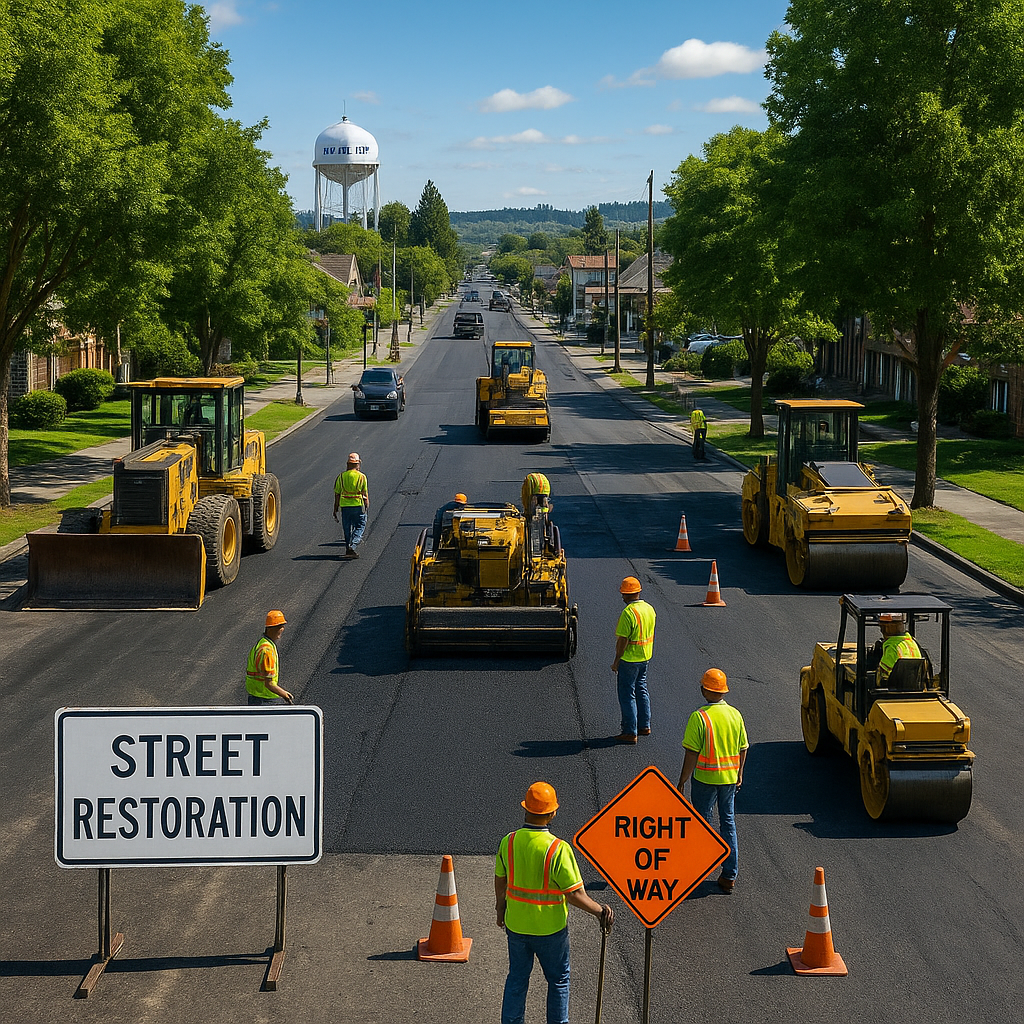
Have you ever driven through a neighborhood and noticed fresh, smooth asphalt where there used to be a patchwork of gravel or a rough cut? That seamless repair didn’t happen by magic. Behind every successful street restoration project in places like Sumner, Washington, there’s a quiet but powerful safeguard at work: a street restoration bond. If you’re a contractor, a project manager, or just a curious resident who wants to understand how the city keeps its roads in top shape, you’re in the right place. Let’s unpack what a City of Sumner WA street restoration bond actually is, why it matters, and how it helps everyone sleep a little better at night.
What Exactly Is a Street Restoration Bond?
Think of a street restoration bond as a promise. It’s a type of surety bond that contractors must secure before they dig into public streets, sidewalks, or right-of-ways. Whenever utility lines need to be installed, water mains replaced, or sewers repaired, the pavement has to be cut open. The bond guarantees that once the underground work is finished, the contractor will restore the surface to the city’s standards—or even better.
In simple terms, the bond is a financial safety net. If the contractor fails to patch the road properly, doesn’t compact the soil enough, or leaves the site in a mess, the City of Sumner can step in. The bond funds then cover the cost of hiring someone else to fix it. This prevents taxpayers from footing the bill for shoddy work. It’s a lot like a security deposit on an apartment; the landlord holds it to make sure you leave the place in good condition.
Why Sumner, WA Puts a Strong Emphasis on Right-of-Way Restoration
Sumner is a vibrant community that balances small-town charm with steady growth. As new businesses open and neighborhoods expand, infrastructure work becomes inevitable. Every time a crew opens up a street, it disrupts not just the pavement but also the daily flow of life. A poorly restored road can lead to bumpy rides, water pooling, and even safety hazards. That’s why the city requires a right-of-way restoration bond. It holds contractors accountable for more than just filling a hole—it demands a durable, long-lasting repair.
You might wonder, “Isn’t a general contractor’s license enough?” Not quite. A license shows competence, but a bond specifically dedicates funds to the restoration itself. It’s a targeted promise that says, “Yes, I will make this street look and function as if it was never touched.” The City of Sumner takes this seriously because the right-of-way belongs to everyone. It’s the community’s shared space, and it deserves to be protected.
The Human Side of Infrastructure Protection
Let’s bring this down to a personal level. Imagine you live on a quiet street in Sumner. A contractor comes through to upgrade the gas lines, leaving behind a temporary patch that sinks a few weeks later. Now your car jolts every time you pull out of the driveway. Without a restoration bond, getting that fixed could involve lengthy negotiations, phone calls to the city, and a whole lot of frustration. With the bond in place, the city already has the leverage—and the financial backing—to make things right quickly. It removes the burden from your shoulders.
How the Street Restoration Bond Process Works
Getting a street restoration bond isn’t wildly complicated, but it does follow a clear path. Here’s a breakdown that’s free of confusing jargon.
- The City Sets the Requirement: Before you obtain a permit to excavate in Sumner’s right-of-way, city officials will tell you the bond amount needed. This amount is typically based on the scale of the project and the area of pavement being disturbed.
- Finding a Surety Provider: You’ll contact a bond agency or insurance company that offers surety bonds. They’ll look at your financial history, experience, and credit score. It’s similar to applying for a loan, but instead of borrowing money, you’re borrowing the company’s trust in your ability to finish the job correctly.
- Paying the Premium: You don’t pay the full bond amount. You pay a small percentage as a premium—often between 1% and 5% for well-qualified contractors. A $20,000 bond might only cost you a few hundred dollars out of pocket.
- Filing the Bond: Once you pay the premium, the surety issues the bond. You then file this document with the City of Sumner as part of your permit application.
- Work and Restoration: You complete your underground work and carefully restore the street. The city inspects the restoration. If everything passes, the bond remains inactive. If not, the city can make a claim.
A Quick Analogy: It’s Like Baking a Cake, Then Cleaning the Kitchen
Think of the excavation work as baking a magnificent cake in someone else’s kitchen. You borrow their oven, their mixing bowls, and their countertops. The street restoration bond is your promise that after the cake is done, you’ll scrub every surface, put away every tool, and leave the kitchen spotless. If you rush out and leave a sticky mess, the homeowner (the city) uses your deposit to hire a professional cleaner. Simple, right?
Who Needs This Bond and When?
If you’re any type of contractor—plumber, electrician, general excavator, or utility specialist—and your project will cut into a Sumner street, alley, or sidewalk, you’ll almost certainly need a street restoration bond. This includes:
- Installing or repairing water and sewer lines.
- Running new fiber optic cables or gas pipes.
- Sidewalk replacements or driveway approaches that touch the right-of-way.
- Any work that disturbs the asphalt or concrete surface of a public road.
Even smaller jobs that seem quick may trigger this requirement. When in doubt, ask the City of Sumner’s public works department. They can guide you on the exact bond amount and any special conditions for your project.
The Ripple Effect: How Bonds Benefit the Whole Community
When you zoom out, a street restoration bond does much more than just fix a patch of asphalt. It preserves property values, keeps pedestrians and drivers safe, and maintains the aesthetic appeal of Sumner’s neighborhoods. Imagine how quickly a beautiful area can look run-down if every utility trench turned into a permanent scar. The bond system prevents that slow decline.
Local businesses benefit too. A smooth, well-maintained street invites customers. Tourists driving through town get a positive impression—maybe they’ll stop for coffee or explore a shop. Infrastructure isn’t glamorous, but it’s the foundation of daily life. The bond quietly upholds that foundation without anyone even realizing it’s there.
What Happens if Someone Skips the Bond?
You might wonder if contractors ever try to sidestep the requirement. In rare cases, yes. But working without a required bond can mean immediate permit revocation, fines, and a damaged reputation. More importantly, if the restoration fails, the contractor is now directly liable for the entire repair cost. That liability can easily balloon into tens of thousands of dollars. A few hundred dollars in bond premium suddenly looks like a brilliant investment.
Common Questions About the Sumner WA Street Restoration Bond
How long does the bond coverage last?
The bond typically remains in effect for a set maintenance period after the restoration is completed and approved. This could be anywhere from one to two years, depending on the city’s ordinance. During that window, if the pavement settles, cracks, or develops a pothole related to the work, the city can still file a claim. It’s a warranty period that gives everyone peace of mind.
Is a street restoration bond the same as a performance bond?
They share a similar spirit, but they’re not identical. A performance bond covers the entire construction project from start to finish. A street restoration bond zeroes in specifically on the pavement and surface repair within the public right-of-way. In Sumner, you might need both depending on the project’s scope. Always check with your surety expert and the city to avoid any gaps.
Can I use one bond for multiple projects in Sumner?
Sometimes, yes. Contractors who regularly work in the city might be able to secure a blanket street restoration bond. This covers several small jobs under one umbrella, saving time and paperwork. Your surety agent and the city can tell you if you qualify. It’s a great option if you frequently handle water service replacements or similar recurring tasks.
Making the Bonding Experience Less Intimidating
If you’re a contractor who’s never obtained a surety bond before, the process might feel a little nerve-racking. But it doesn’t have to be. The best approach is to work with a reputable bond agency that knows Sumner’s specific requirements. They’ll walk you through the application, explain what impacts your premium rate, and help you gather the right documents. Small issues like a low credit score don’t automatically disqualify you; they might just adjust the premium slightly. Honesty and a clear explanation of your experience go a long way.
For residents, knowing that this system exists is empowering. You can take comfort in the fact that the city has a structured way to protect the roads you travel every day. The next time you see a crew cutting into the street, you’ll understand the financial and legal guardrails that surround that work.
Thinking Ahead: A Smoother Road for Everyone
Infrastructure might not be the most thrilling dinner table topic, but it connects all of us. The City of Sumner’s street restoration bond requirement is a forward-thinking measure. It anticipates the reality that construction doesn’t end when a trench is backfilled. The true finish line is crossed when the road is smooth, the paint lines are crisp, and the puddles no longer form where they shouldn’t. By requiring a bond, Sumner ensures that the company tearing up the street today is the same company standing behind that patch next winter.
So, whether you’re a contractor gearing up for your next project or a homeowner who simply wants the best for your neighborhood, you now have a clearer picture. The street restoration bond is more than paperwork—it’s a collaborative promise among the city, the contractor, and the community. And when that promise is kept, we all enjoy the result: streets that are safe, beautiful, and built to last.
Leave a Reply