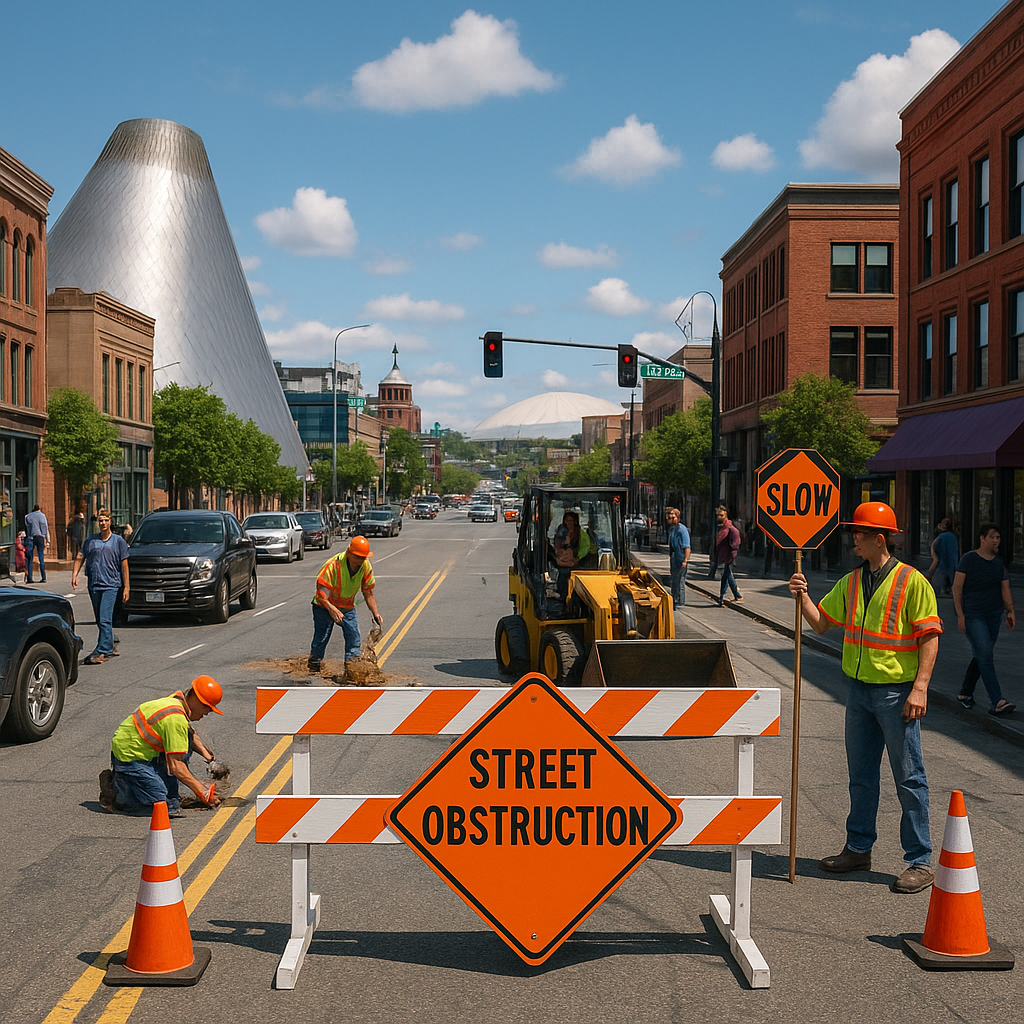
Have you ever walked past a construction site in downtown Tacoma and wondered how the city keeps sidewalks and streets safe when work is underway? Maybe you’ve driven around a trench being dug for new utility lines and thought, “I hope they put everything back the way it was.” Behind the scenes, something called a Tacoma WA Street Obstruction Bond is doing a lot of the heavy lifting to make sure that happens. It might sound like a mouthful, but it’s really a simple promise that helps everyone move around the city safely.
What Exactly Is a Street Obstruction Bond?
Think of a street obstruction bond as a financial handshake between the City of Tacoma and a contractor or utility company. Whenever someone needs to dig up a street, block a sidewalk, or temporarily take over a public right-of-way, they’re creating an obstruction. That obstruction can be a hassle for drivers, pedestrians, and cyclists. The bond is a guarantee that once the project is finished, the work area will be restored to its original condition—or better.
If the contractor doesn’t clean up properly or leaves a pothole that could damage cars, the city can use the bond money to fix it. In other words, it’s a safety net for the community. No one has to chase down a contractor who packed up and disappeared without filling in that last patch of asphalt.
Why Tacoma Requires This Bond
Tacoma is a bustling waterfront city with a growing population. From the Dome District to the Proctor neighborhood, streets are shared spaces that need to stay functional and hazard-free. The city sees hundreds of permits each year for activities that impact public streets—think fiber optic installations, sidewalk repairs, sewer line replacements, and even placing a dumpster on the road during a home renovation.
The City of Tacoma WA Street Obstruction Bond is a requirement that protects taxpayers. Without it, the financial burden of fixing shoddy restoration work would fall on the city’s budget, which means everyone’s tax dollars. Instead, the bond shifts that responsibility back to the person or company doing the work. It’s a practical way of saying, “You can use our public space, but you must leave it exactly as you found it.”
Who Needs a Tacoma Street Obstruction Bond?
This isn’t just for large construction companies. The bond requirement often applies to:
- General contractors doing sidewalk or driveway repairs that extend into the right-of-way.
- Utility companies installing or maintaining gas, water, or electric lines.
- Telecommunication crews laying fiber optic cables.
- Homeowners who need to place a moving container or dumpster on the street for an extended period.
- Event organizers setting up tents or stages that block a sidewalk or lane.
In many cases, the city will tell you upfront if your permit needs this bond. The amount usually depends on the scale of the obstruction. A small project might require a $5,000 bond, while a major infrastructure job could call for something much larger. It’s a flexible system designed to match the risk.
How It Protects Community Safety and Mobility
Let’s break down the real-world impact on your daily life. Imagine a crew finishes laying new pipes under a busy street near the University of Puget Sound. They fill the trench compact the soil, and repave the surface—but a few weeks later the patch sinks, creating a jarring bump. Without a bond, getting that fixed could drag on for months. With a valid Tacoma WA Street Obstruction Bond, the city has immediate funds to hire another contractor and smooth things out fast.
Safety is the obvious winner here. Uneven pavement, missing barricades, or poorly placed debris can cause accidents for cars, bicycles, and pedestrians. The bond acts as a strong motivator for the permit holder to follow all safety regulations and complete restoration properly. If they don’t, they risk losing that money. It’s a simple yet powerful incentive.
Mobility is another key piece. Tacoma’s streets are arteries for commerce and daily life. When an obstruction-related repair drags on, it snarls traffic and frustrates residents. The bond helps speed up the resolution process, so you can get back to your favorite coffee shop on 6th Avenue without a detour.
The Application Process in Plain English
If you’re a contractor or a homeowner facing this requirement for the first time, the process isn’t as intimidating as it sounds. Most people obtain the bond through a surety bond company. You’ll pay a premium—a small percentage of the total bond amount—and the company will issue a bond document to you. You then submit that document along with your right-of-way permit application to the City of Tacoma.
The city will review everything and make sure the bond amount meets their guidelines. Once approved, you’re cleared to start work. After the project wraps up, a city inspector typically comes out to check the restoration. If everything looks good, the bond requirement is released. If there’s a problem, you’ll have a chance to correct it before the bond is called upon.
Common Questions About the Tacoma WA Street Obstruction Bond
Let’s address a few things people often wonder about. Understanding these can save you time and help avoid mistakes.
Is This the Same as a Contractor License Bond?
No, it’s a separate requirement. A contractor license bond guarantees that a contractor will follow local building codes and laws in their work generally. A street obstruction bond is specific to the public right-of-way and ensures the physical restoration of the street or sidewalk. You might need both depending on your project.
How Much Does It Cost?
You aren’t paying the full bond amount upfront. The premium typically ranges from 1% to 3% of the bond total, so a $10,000 bond might cost you $100 to $300. The rate depends on your credit score and business history. For most small contractors, it’s an affordable line item in the project budget.
What Happens If a Claim Is Filed?
If the city determines the restoration work is incomplete or substandard, they can file a claim against the bond. The surety company will investigate. If the claim is valid, the company pays the city up to the bond limit, and then the contractor must reimburse the surety. It’s not a free pass—it’s a financial responsibility tool.
The Bigger Picture: Building Trust in Public Spaces
There’s more to this bond than just bureaucracy. It fosters a relationship of trust between the people doing the work and the people who live in Tacoma. When a contractor pulls the proper permits and secures the bond, they’re signaling that they respect the community. They’re not going to cut corners and vanish.
Homeowners also benefit knowing there’s a mechanism that holds companies accountable. If you’ve ever lived next to a construction site that left the street a mess for weeks, you know how frustrating that can be. The bond gives you a concrete way to voice a concern and see real action.
Keeping Tacoma Moving: A Shared Responsibility
Every time a fiber crew brings high-speed internet to a neighborhood, or a plumber connects a new home to the sewer line, there’s a temporary inconvenience. But Tacoma’s street obstruction bond ensures that inconvenience doesn’t turn into a permanent eyesore or a danger. It’s a quiet, behind-the-scenes tool that keeps our sidewalks walkable and our streets drivable.
Next time you see those orange cones and caution tape, you’ll know there’s a solid plan in place to make everything right again. The City of Tacoma WA Street Obstruction Bond may not be glamorous, but it’s a key ingredient in a safe, mobile, and vibrant city. And that’s something we can all appreciate, whether we’re driving, biking, or simply strolling to the waterfront.
If you’re planning a project that touches Tacoma’s streets, reach out to the city’s permitting office early. They’ll guide you on the exact bond amount and how to get one. A little planning now keeps the sidewalks smooth and the traffic flowing for everyone later.
Leave a Reply