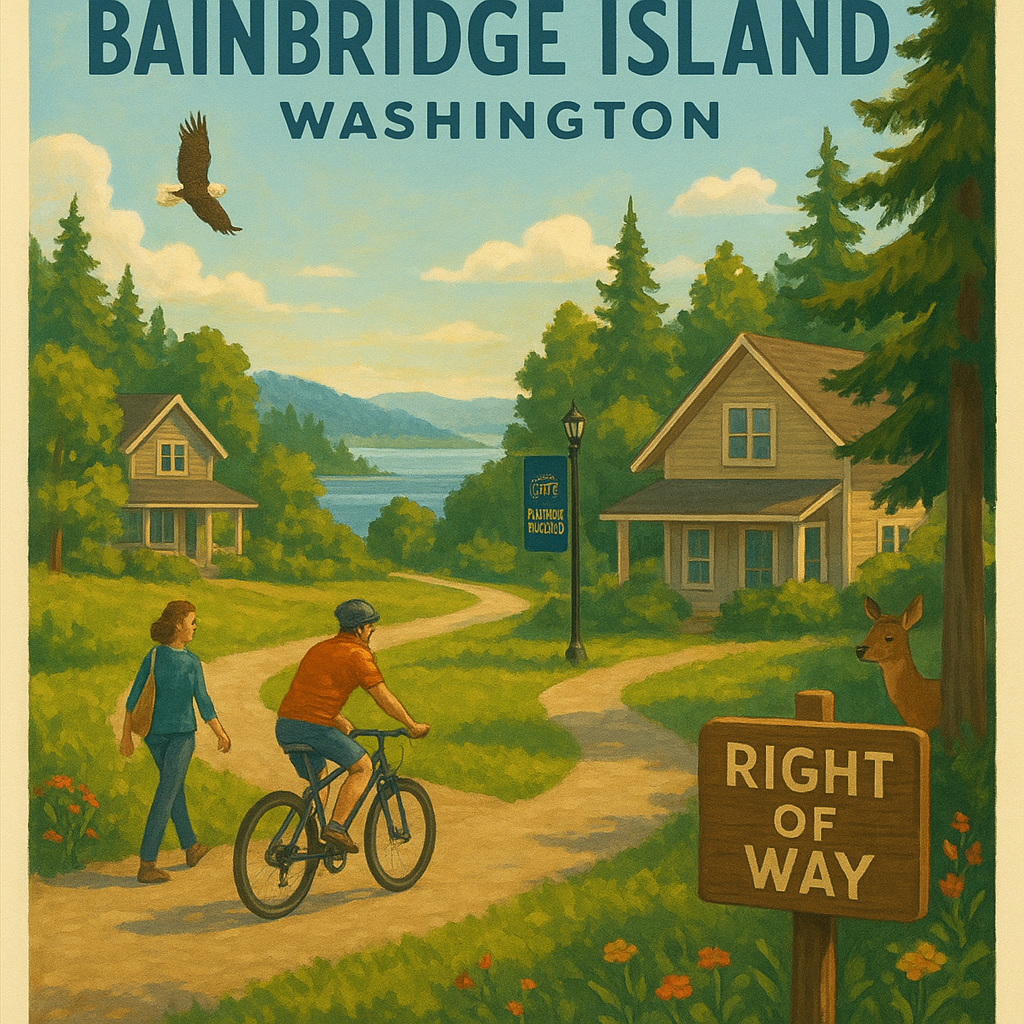
Imagine driving through your favorite neighborhood on Bainbridge Island and noticing smoother streets, safer crosswalks, and new paths where you can walk or bike without a worry. That’s exactly the future the city is working toward. Right now, a conversation is buzzing around town about something called a Right of Way Bond. If you’ve seen that phrase and scratched your head, you’re not alone. Let’s break it all down in plain, everyday language.
What Exactly Is a Right of Way Bond?
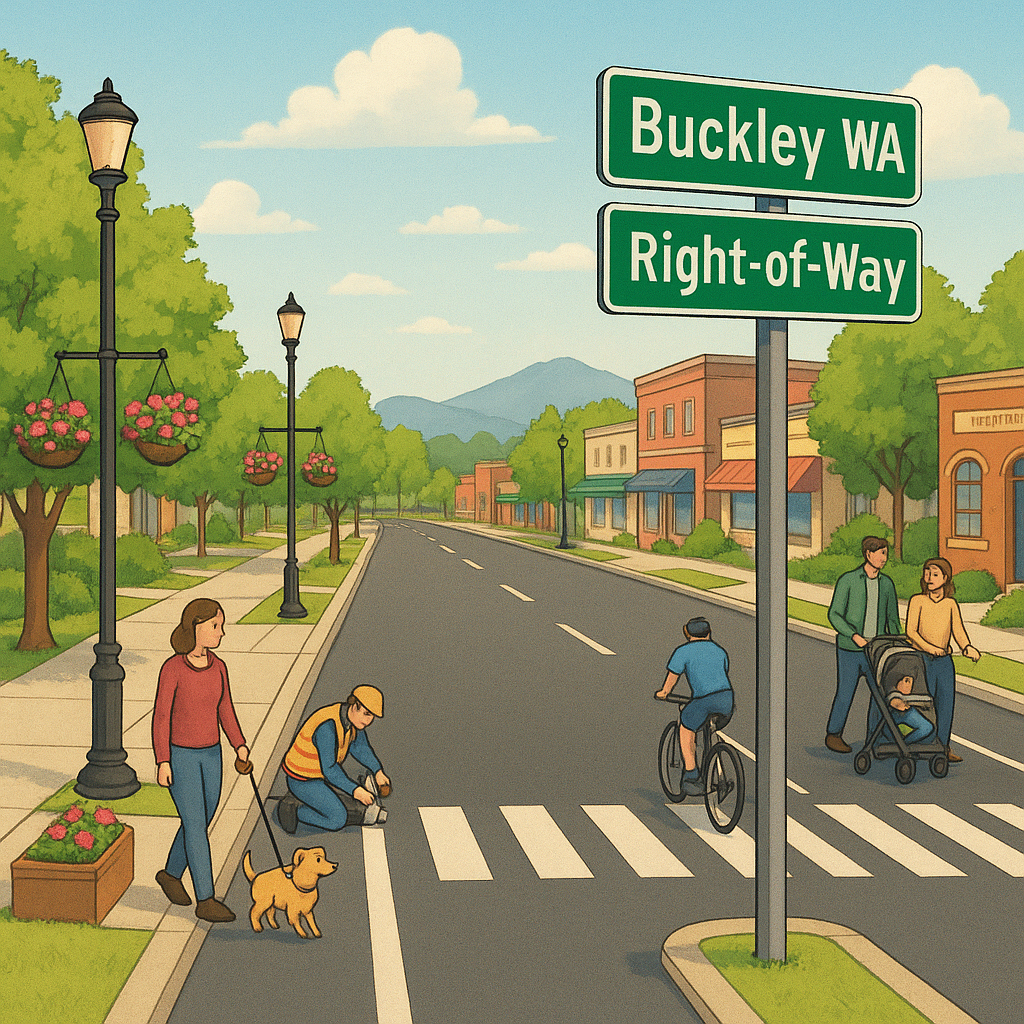
A right of way bond is a way for a city to pay for big improvements on public land that we all share — think streets, sidewalks, bike lanes, and the underground pipes and wires that keep our homes running. The term “right of way” simply means the land that’s set aside for transportation and utilities. It’s the pavement under your tires, the path under your feet, and the strip of grass between the curb and the sidewalk.
When the City of Bainbridge Island issues a bond like this, it’s borrowing money from investors, much like you’d take out a mortgage to remodel your kitchen. The city promises to pay it back over time, usually with a small property tax increase. In return, we get infrastructure that’s safe, modern, and ready for decades of use.
Why Bainbridge Island Needs This Upgrade Now
You’ve probably noticed some cracked sidewalks, faded bike lane markings, or spots where water pools after a rainstorm. Aging infrastructure isn’t just an eyesore — it can slow down emergency vehicles, make walking risky for kids and seniors, and even hurt local businesses when customers struggle to get around.
Bainbridge Island is a unique community. We love our trees, our quiet streets, and our small-town character. But our infrastructure was built for a smaller, quieter era. Today, more families, cyclists, and commuters rely on these public paths every day. A right of way bond lets us tackle a whole list of needed fixes all at once, rather than patching things up year after year. This approach saves money in the long run and causes less disruption to your daily routine.
Projects That Could Transform Your Daily Life
So what would the bond actually pay for? While the final list depends on community input and city council decisions, here are some realistic examples of what a right of way bond often covers:
- Safer crosswalks and sidewalks near schools and parks, making the morning walk to class much less stressful.
- Repaved roads that get rid of potholes and ruts that can damage your car or bike.
- Dedicated bike lanes that connect neighborhoods to downtown Winslow, so cyclists feel protected from traffic.
- Stormwater drainage improvements to prevent flooding in heavy rain, protecting basements and yards.
- Utility upgrades buried underground, so your internet and power stay reliable during windstorms.
Think of it as a long-overdue refresh for the bones of our island. It’s the stuff we don’t always see but depend on every single day.
How Does a Right of Way Bond Actually Work?
Let’s walk through it step by step. First, the city identifies a list of necessary projects with input from residents, engineers, and elected officials. Then, the city council may decide to place a bond measure on the ballot. Voters like you get the final say — if approved, the city sells bonds to investors and uses that money to start construction.
Over time, the bond is repaid through property taxes. But here’s an important point: because bonds are spread out over many years, the cost to each property owner is often just a modest increase. You might picture it like a group of neighbors splitting the cost of a new shared fence. When everyone chips in a little, the burden feels much lighter.
Why Not Just Pay with the Regular Budget?
You might wonder why the city can’t simply save up and pay cash. In an ideal world, that would work. But major infrastructure projects come with price tags in the millions, and saving that amount could take decades. Meanwhile, the problems get worse and more expensive. A bond is a tool that allows us to fix everything now, at today’s construction prices, and lock in the benefits immediately.
Plus, bond interest rates are often lower than the rate of construction inflation. That means waiting could actually cost more in the long run. It’s like the saying goes: a stitch in time saves nine.
What This Means for Your Wallet
Let’s talk about the part everyone cares about — the tax impact. A right of way bond typically appears as a separate line item on your property tax statement. The amount varies based on your home’s assessed value. For a median-priced home on Bainbridge Island, the annual cost might be comparable to a few of takeout dinners per month, maybe less.
Nobody loves paying more taxes. But consider what you’re getting: safer streets for your kids, higher property values because neighborhoods look well-maintained, and a community that’s easier to navigate for everyone, whether you’re pushing a stroller or using a wheelchair.
How Bainbridge Island Compares to Nearby Cities
If you look across the water at communities like Poulsbo or Bremerton, you’ll see that many Washington cities have already used right of way bonds to overhaul their aging infrastructure. They discovered that proactive investment attracted new businesses and made neighborhoods more walkable. Bainbridge Island has a chance to follow that smart path without losing the character we treasure.
We’re not talking about turning us into a concrete jungle. It’s about touching up what already exists so it serves us better. Well-planned improvements blend with the natural beauty of the island, using native plantings in rain gardens and keeping the rural feel of our backroads intact.
The Community’s Voice Shapes Every Step
One of the best parts of this process is that you don’t have to just accept a plan handed down from city hall. Public hearings, neighborhood meetings, and online surveys give you a seat at the table. You can push for that missing sidewalk near the ferry terminal or advocate for better lighting on a dark stretch of road you travel often.
Cities run on community input. When enough people speak up, the list of projects genuinely reflects what the people who live here want most. So if you’ve ever grumbled about a dip in the road or wished for a safer way to bike to the grocery store, this is your moment.
Common Myths About the Right of Way Bond
Let’s clear up a few misconceptions that often float around:
- “My taxes will skyrocket.” In reality, bond payments are capped and structured to minimize impact. The increase is predictable and temporary — once the bond is paid off, that line item disappears.
- “We don’t really need these fixes.” Walk around town with fresh eyes. Cracks and potholes aren’t just cosmetic; they can lead to accidents and costly emergency repairs later.
- “The city can just use grant money.” Grants are great but highly competitive and rarely cover the full cost of large-scale improvements. A bond provides the reliable funding that grants can’t guarantee.
- “This is just another government boondoggle.” With robust citizen oversight and detailed public reporting, you’ll know exactly where every dollar goes. Transparency is built into the bond process.
Looking Ahead: A More Connected, Resilient Island
Imagine a Bainbridge Island where a kid can ride their bike from Lynwood Center to Waterfront Park entirely on smooth, signed paths. Picture an elderly neighbor walking confidently to the farmer’s market because the crosswalks are clearly marked and well-lit. Envision emergency vehicles reaching any home quickly because roads are in excellent condition. That’s the promise a right of way bond delivers.
Change can feel unsettling, but thoughtful investment in our shared spaces almost always pays off. It brings neighbors together, keeps our local economy humming, and preserves the quality of life that makes Bainbridge Island such a special place to call home.
How You Can Stay Informed and Get Involved
If this topic has sparked your curiosity, don’t let that simmer — do something with it. Visit the City of Bainbridge Island’s official website and look for the public works or capital projects page. Sign up for email updates, attend a city council meeting (many are streamed online), and talk to your neighbors. The more voices that join the conversation, the better the final plan will reflect our collective needs.
You might even discover volunteer opportunities, like serving on a citizen advisory committee, where you can weigh in on project priorities firsthand. Democracy works best when people show up.
When you boil it all down, a right of way bond is just a tool — a way for us to come together and take care of the roads, paths, and systems we all share. It’s an investment in safety, convenience, and community pride. And on an island as unique as ours, that’s something worth talking about.