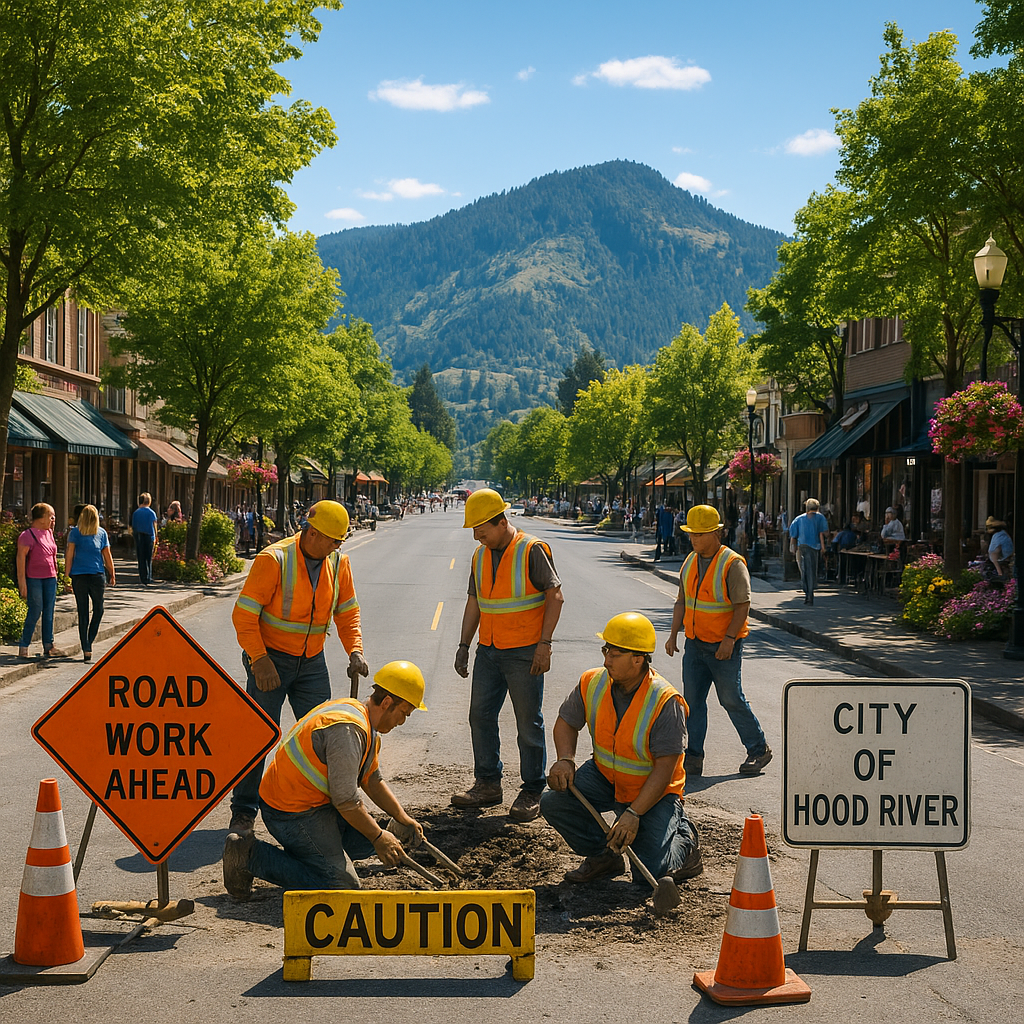
If you’ve ever driven past a construction crew cutting into a perfectly smooth asphalt road, you might have wondered what keeps the city protected if something goes wrong. In Hood River, Oregon, that protection comes in the form of a street opening permit bond. It’s one of those behind-the-scenes safeguards that most people don’t think about until they need one. Whether you’re a contractor, a utility company, or a homeowner planning a project that involves digging into public streets, understanding this bond can save you time, money, and a few headaches.
What Exactly Is a Street Opening Permit Bond?
Let’s strip away the formal language. A street opening permit bond is essentially a three-party promise. The City of Hood River (the obligee) asks you, the contractor or individual (the principal), to secure a bond from a surety company. That bond is your guarantee that any work you do—like cutting pavement, excavating for utility lines, or repairing pipes—will be completed according to the city’s rules and that you’ll restore the street to its original condition.
Think of it like a security deposit for a rental car, but with a twist. You’re not just promising to bring the car back without scratches; you’re promising to follow a specific set of instructions for how you treat the entire roadway. If you don’t, the city can use the bond to fix any damage without having to chase you down for payment.
Why the City of Hood River Requires This Bond
Hood River is a beautiful place with busy streets that serve everyone—locals commuting, tourists exploring the Gorge, and families heading to the waterfront. When those streets get opened up, it’s a disruption. More importantly, if a trench isn’t backfilled properly or the surface patch gives way a few months later, it becomes a safety hazard and an expensive repair bill for taxpayers.
The city isn’t trying to make your life difficult; they’re protecting public infrastructure. The bond requirement ensures that anyone who disturbs a public street has a financial stake in doing the job right. It also weeds out unqualified operators who might cut corners. You can look at it as the city’s way of saying, “We trust you, but we also need a backup plan.”
Who Actually Needs One?
It’s not just for large construction companies. Many different people find themselves needing a street opening permit bond in Hood River. You might need one if you’re:
- A plumber replacing a sewer line that runs under the street.
- An electrician connecting a new service from a utility pole beneath the pavement.
- A general contractor installing a driveway approach that touches the public right-of-way.
- A telecommunications crew laying fiber optic cables.
- A homeowner acting as your own contractor for a major project that requires street excavation.
Basically, if your work involves a public street, alley, or sidewalk and you’ll be cutting into the surface, the city will ask for this bond. It’s a standard part of the permit application, right alongside your traffic control plan and proof of insurance.
How the Bond Works in Real Life
Imagine you’re a contractor hired to repair a water main break on a quiet residential street. You get the permit, pull the bond, and start digging. The city inspector checks your work at key stages—before you backfill, after compaction, and when you apply the temporary patch. A few weeks later, if the patch sinks or crumbles, the city can step in. They’ll give you a chance to fix it first, but if you don’t, they can file a claim against your bond. The surety company would then pay the city up to the bond amount, and you’d be responsible for repaying the surety. That chain of accountability keeps everyone honest.
It’s helpful to separate the bond from insurance. Insurance protects you against accidents and liability. The bond specifically protects the city’s financial interest in the street’s restoration. They work side by side, but they cover different things.
Breaking Down the Cost
One of the first questions people ask is, “How much is this going to set me back?” The total bond amount is usually set by the city based on the scope of work. For smaller residential repairs, you might see a bond of $5,000 or $10,000. Larger commercial projects or extensive street cuts can require a bond of $25,000 or more. But here’s the good news: you don’t pay that entire amount upfront.
You pay a premium, which is a small percentage of the total bond amount. For someone with good credit and solid business finances, that premium often falls between 1% and 5% annually. So a $10,000 bond might only cost you $100 to $500 for the year. The exact rate depends on your credit score, business history, and the surety company’s underwriting. If your credit is a little shaky, you can still get bonded, but the premium might be a bit higher. It’s a very manageable cost compared to the risk of having to pay for a full road failure out of pocket.
The Simple Steps to Get Bonded
Securing a street opening permit bond in Hood River doesn’t have to be intimidating. The process has become fairly streamlined, especially if you work with a knowledgeable surety bond agency. Here’s a typical path:
1. Know Your Requirements
Contact the City of Hood River’s Public Works Department. They’ll tell you the exact bond amount you need based on your permit application. Don’t guess—getting the amount right saves a lot of back-and-forth.
2. Gather Your Information
You’ll need basic details: your business name, address, owner information, and the project description. If you’re an individual homeowner, your personal information works similarly. Some surety companies may ask for a couple of years of financial statements for larger bonds, but for smaller bond amounts, a quick application and credit check are often enough.
3. Apply with a Surety Agency
Look for an agency that understands Oregon’s municipal bonds. They can explain nuances specific to Hood River. You’ll fill out a short application, and they’ll shop rates with multiple surety markets to find you the best premium.
4. Pay the Premium and Get Your Bond Form
Once approved, you pay the premium, and the agency issues the bond. You’ll receive an official document that you present to the city along with your permit application.
5. File the Bond with the City
This step is crucial. The bond isn’t active for the city’s purposes until they have it on file. Keep a copy for your records, too.
Common Missteps and How to Avoid Them
Over the years, many contractors trip over the same small hurdles. One common mistake is letting the bond lapse before the final inspection. The city often requires the bond to remain in effect for a certain warranty period—sometimes six months to a year after the work is completed. If you cancel it too early, your permit can be revoked, and you might have to start the bonding process all over again.
Another hiccup is misunderstanding the restoration standards. The bond doesn’t just cover “good enough” repairs; it requires you to match the city’s specifications for materials and compaction. If you sub out the patching to a crew that isn’t familiar with Hood River’s codes, you could face a claim. Always know the technical requirements before the jackhammer hits the ground.
What If You Have to Make a Claim?
Nobody plans for a bond claim, but it’s important to understand how they work. If the city determines that your restoration work is failing, they’ll notify you and the surety company. You’ll have a chance to resolve the issue—maybe by re-patching the street or re-compacting the trench. If you fix it satisfactorily, the claim goes away. If you ignore it or your repair is rejected, the surety company may pay the city and then look to you for reimbursement. That’s the financial guarantee part. Avoiding claims is obviously best, but knowing the process removes some of the fear.
How This Bond Fits Into the Bigger Picture
Think of the street opening permit bond as more than just red tape. It’s part of a layered system that keeps Hood River’s streets safe, functional, and looking good. It places responsibility squarely on the people doing the work, while giving the city a direct tool to enforce standards. For you as a contractor or project owner, it also signals professionalism. Having a bond in place shows the city, your clients, and your neighbors that you’re taking the job seriously and you’re prepared to stand behind your work.
Frequently Asked Questions to Put Your Mind at Ease
Can I use a general contractor’s bond instead? Not usually. Most general contractor licenses come with a different type of bond that covers things like code compliance and worker wages. The street opening permit bond is specific to the physical disturbance of the public right-of-way. The city will almost always require this separate bond for any street cut.
How long does it take to get bonded? For smaller bonds under $25,000, many agencies can turn it around the same day if you have all your paperwork in order. Larger amounts might take a day or two for underwriting review. Don’t wait until the last minute before your project start date.
What if I’m just a homeowner digging a small trench for a sprinkler line? Any penetration of the street surface typically triggers the requirement, even for small projects. However, some very minor work might fall under a different classification—always check with the city. It’s far better to ask and confirm than to risk a stop-work order.
Does my bond cover damage to private property? No. The bond only covers the public street and right-of-way. Damage to a homeowner’s fence, driveway, or landscaping falls under your liability insurance, not this bond.
Partnering with the Right People
Finding a surety agency that speaks plain English and knows Oregon municipal requirements makes all the difference. You want someone who can explain your bond options, help you manage renewals, and support you if any issues arise. This isn’t a one-size-fits-all product—it’s a financial tool that works best when you understand how it fits your specific project.
Wrapping It All Up
A street opening permit bond in Hood River, Oregon, might feel like just another line item on your permit checklist. But deep down, it’s a simple, powerful agreement that keeps the community’s roadways intact and your business protected. By getting bonded correctly, keeping communication open with the city, and following the restoration standards, you can focus on the work you do best while the bond does its quiet job in the background. Next time you see a perfectly patched square of asphalt on your street, you’ll know there’s a solid promise holding it together.
Leave a Reply