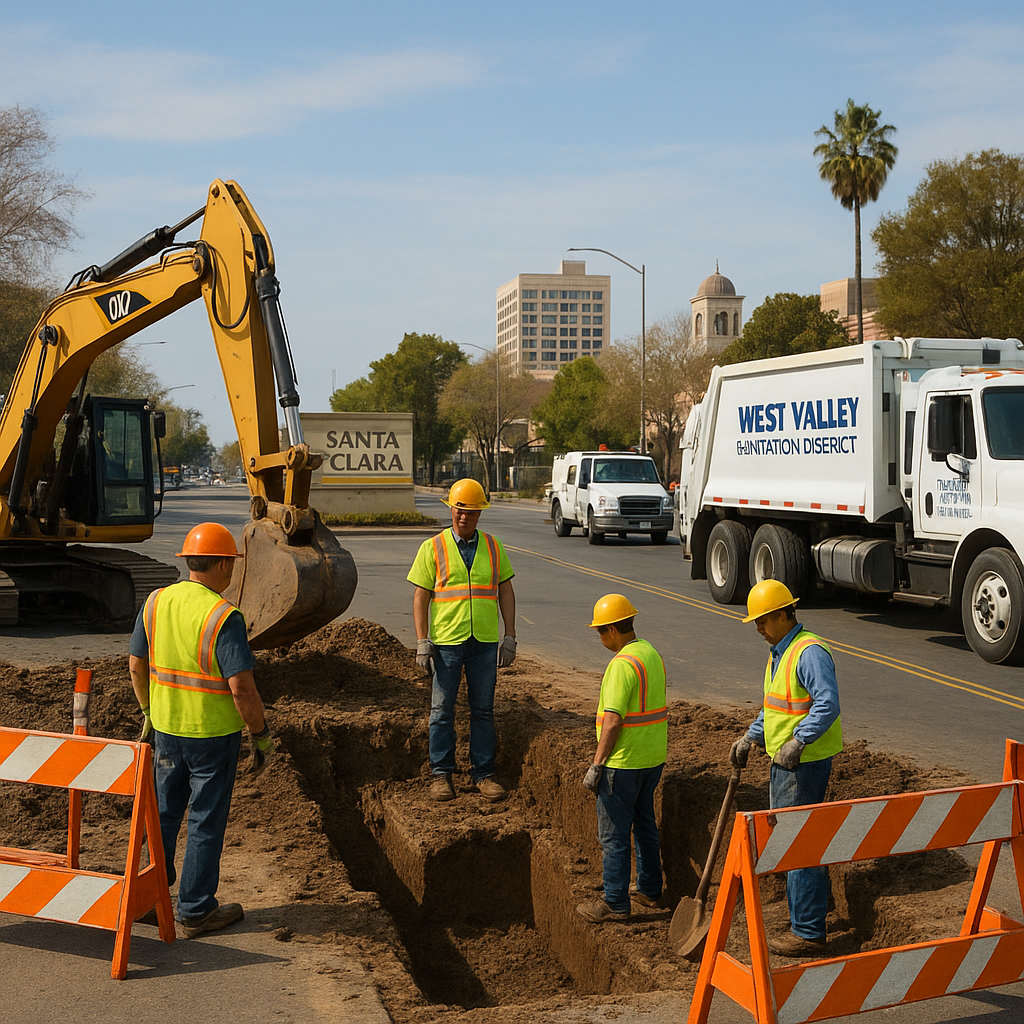
If you’re a contractor preparing to dig into streets or sidewalks in Santa Clara, you’ve probably come across a term that sounds more intimidating than it actually is: the street excavation bond. You might be wondering, “Is this just another hoop to jump through, or is there a good reason I need it?” The truth is, it’s more of a safety net—both for you and for the community you’re working in. Let’s break it down in plain English so you can focus on getting the job done right.
What Exactly Is a Street Excavation Bond?
Think of a street excavation bond as a promise backed by money. When you, as a street excavating contractor, cut into a public road to install or repair pipes, cables, or sewer lines, the local agency—like the West Valley Sanitation District of Santa Clara—needs to make sure you’ll restore the street properly. The bond is a financial guarantee that says, “If the contractor doesn’t fix the street, the bonding company will pay to get it done.”
It’s a lot like a security deposit when you rent an apartment. The landlord holds that deposit in case you leave the place trashed. Here, the District holds the bond in case the excavation site isn’t put back the way it should be.
Why the West Valley Sanitation District Requires It
The West Valley Sanitation District serves parts of Santa Clara County, including areas of Santa Clara city, maintaining sewer infrastructure that runs beneath our streets. When a contractor digs into a road to connect a property to the sewer main or to perform repairs, that pavement is compromised. A poorly done patch can lead to potholes, sinkholes, or even damage to the sewer line itself—headaches that taxpayers and residents end up dealing with.
By requiring a compliance-only street excavation bond, the District ensures that public funds aren’t used to clean up after a contractor who cuts corners. It’s not about distrust; it’s about accountability. And honestly, it protects good contractors too—because it sets a clear standard everyone has to meet.
Who Needs This Bond?
If you’re a street excavating contractor planning any work that involves cutting into publicly maintained roads, curbs, gutters, or sidewalks within the West Valley Sanitation District’s service area, you’ll likely need a bond. That includes plumbers, utility contractors, and general engineering firms who might touch the street even briefly for a sewer lateral connection or a mainline repair.
Don’t assume that a small patch job flies under the radar. Even a trench just a few feet long can trigger the bonding requirement. The rule of thumb is simple: if your work disturbs the public right-of-way and you need a permit from the District or the city, a bond is almost certainly part of the package.
How the Bond Works in Real Life
Let’s walk through a common scenario. Imagine you’re hired to replace an old, cracked sewer lateral for a home in Santa Clara. Your plan involves saw-cutting a section of the asphalt street to reach the main line. After the work is done, you’ll need to backfill the hole, compact the soil, and apply a temporary patch, then eventually a permanent pavement restoration that meets the District’s and city’s specifications.
The bond stays in force until an inspector signs off on the restoration. If the patch fails—say it sinks six months later—the District can call on the bond to pay another contractor to fix it. You, as the original contractor, would then owe the bonding company for that cost. The bond is a “compliance” bond, meaning it’s all about following the rules and completing the job to the right standard.
The Nitty-Gritty: Bond Amounts, Costs, and Getting One
So how much bond do you need? The West Valley Sanitation District, often working in coordination with the City of Santa Clara, will set the bond amount based on the scope of work. For a single residential lateral replacement, you might see a bond in the range of $5,000 to $10,000. For larger projects that tear up more pavement, the amount can be significantly higher. Think of it as proportional to the potential damage if things go wrong.
The cost you pay for the bond—your premium—isn’t the full bond amount. It’s a small percentage, typically 1% to 3% for contractors with good credit. So a $10,000 bond might only cost you $100 to $300. That’s a small price to pay for the ability to work in the District and a big plus for your business credibility.
To get bonded, you’ll work with a surety company. They’ll look at your credit, your business history, and sometimes your experience with similar projects. If you’re new, don’t worry—many agents specialize in contractor bonds and can walk you through the process quickly.
“Compliance Only” – What That Really Means
You may have heard the term “compliance-only bond” tossed around. It simply means the bond’s sole purpose is to guarantee you’ll follow the excavation and restoration rules. It’s not insurance for your business. It doesn’t cover your workers’ injuries or damage to the homeowner’s property. It’s tightly focused on the public street. This narrow focus is actually a good thing because it keeps costs down and makes the bond easier to qualify for compared to broader performance bonds.
Another important point: the bond benefits the public agency, not you. But that’s not a downside. When you can show the District that you’re bonded, you’re signaling that you’re a serious professional who stands behind your work. It helps build trust with inspectors and engineers, and it can even speed up the permitting process.
Common Mistakes Contractors Make (And How to Avoid Them)
Even experienced street excavating contractors can slip up. Here are some pitfalls to sidestep:
- Waiting until the last minute. Don’t apply for the permit and then realize you need a bond the day before your crew arrives. Bonding can often be done in 24 to 48 hours, but delays happen. Secure it early.
- Assuming the city handles everything. While Santa Clara city engineering may inspect the restoration, the West Valley Sanitation District has its own requirements, especially if sewer infrastructure is involved. Always clarify which agency issues the permit and which one holds the bond.
- Ignoring the maintenance period. Many bonds remain in effect for a set period—often one or two years after the work is completed—to cover any settlement or failure during that window. Know the timeline and keep your bond active until you get full release.
- Thinking a small cut doesn’t count. If the saw touches the asphalt, it counts. Always ask first.
How the District and City Work Together
The West Valley Sanitation District and the City of Santa Clara coordinate closely when streets are involved. The District focuses on the sewer system, while the city manages the pavement. Your bond often satisfies requirements for both. This collaboration streamlines things so you don’t need two separate bonds for the same excavation. It’s one less headache, but you should confirm that your specific project falls under that umbrella.
What If You’re Just a Homeowner Hiring a Contractor?
This information isn’t just for contractors. If you’re a property owner planning a sewer repair, ask your contractor if they carry a street excavation bond. Reputable professionals will have one or will obtain one as part of the job. If a contractor tries to skip the bonding step, that’s a red flag. You could be left with a failing pavement patch and no easy way to get it fixed without paying again.
Making Sense of It All with a Simple Analogy
Think of the street excavation bond like a raincoat you keep in your car’s trunk. You hope you never need it, but it’s there to protect you from a sudden downpour. The District isn’t hoping your work fails; they’re just prepared for that rare stormy day. And you, as the contractor, get the peace of mind of knowing the exact standard you need to meet—no surprises.
Frequently Asked Questions We Hear from Contractors
Can I use the same bond for multiple jobs?
Sometimes. If you’re doing frequent work in the District, you may be able to secure a blanket bond that covers multiple projects over a set period. This can save time and reduce paperwork. Check with the District about minimum amounts and requirements.
How long does the bonding process take?
With an experienced surety agent, you can often get approved in one business day, sometimes even the same day for smaller bonds. Having your documents ready—business license, financial statements, and past project details—will speed things up.
Does my general liability insurance cover the street restoration?
No. General liability insurance protects against third-party injuries or property damage during the work, but it doesn’t guarantee the contractual obligation to restore the street. The bond is specifically for that restoration promise.
What happens if I don’t comply?
The District can file a claim against your bond. The surety company will investigate, and if the claim is valid, they’ll pay up to the bond amount. You’ll then owe the surety back. It can also make it much harder—and more expensive—to get bonded for future projects.
Steps to Get Your West Valley Sanitation Street Excavation Bond Today
Ready to get moving? Here’s a simple roadmap:
- Confirm the exact requirement. Talk to the West Valley Sanitation District or the Santa Clara City permit office to understand the bond amount and form they need.
- Contact a surety bond agency. Look for one that specializes in contractor bonds. Provide your business information and credit authorization.
- Receive your quote and pay the premium. Once approved, you’ll get the bond paperwork, usually electronically.
- File the bond with the District. Submit the original signed and sealed bond as part of your permit application.
- Start digging—safely and confidently.
Why This Isn’t Just Red Tape
It’s easy to see government requirements as bureaucratic hoops. But street excavation bonds genuinely serve a purpose. They protect neighbors from dealing with sinking asphalt. They protect taxpayers from shouldering the cost of subpar work. And they protect contractors like you from disputes about what “good restoration” looks like, because the standard is clearly defined in the bond conditions.
Next time you pull up to a jobsite in Santa Clara, you’ll know that little piece of paper isn’t a burden—it’s a professional credential. It tells everyone, from the inspector to the homeowner, that you’re committed to leaving the street as good as you found it.
If you have more questions about street excavation bonds, or if you’re ready to secure yours for a West Valley Sanitation project, reach out to a knowledgeable surety professional. A few minutes of conversation can clear up any confusion and put you on the path to smooth, compliant, and trouble-free excavation work.
Leave a Reply