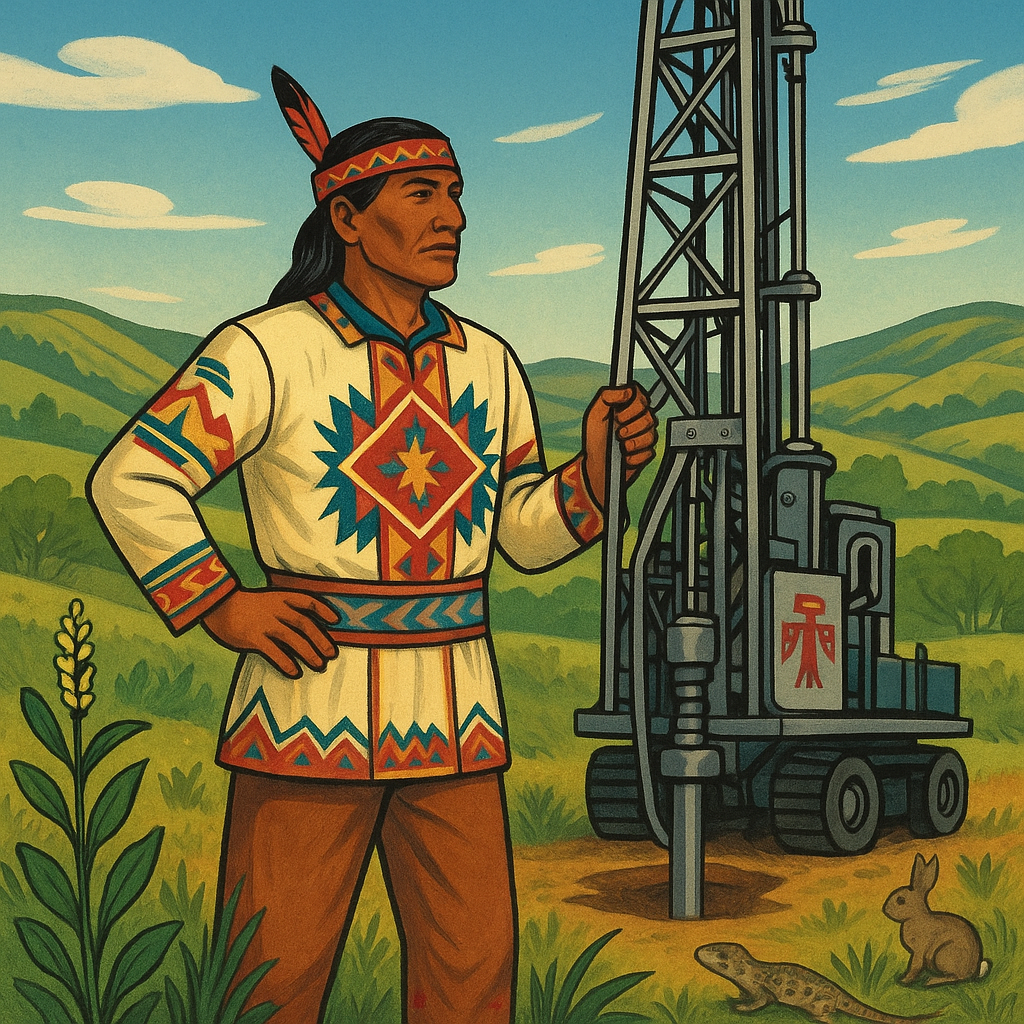
Have you heard the latest news coming from the Confederated Tribes of the Umatilla Indian Reservation? If you work in well drilling anywhere near northeastern Oregon, this one’s for you. The Tribe has rolled out a new set of regulations designed to keep water safe and work accountable. At the heart of these changes is something called a well driller’s bond. Let’s break down what this means in plain, everyday language.
What’s Changing on the Umatilla Indian Reservation?
The Confederated Tribes of the Umatilla Indian Reservation (often called CTUIR) have always been careful stewards of their land and water. Now, they’re adding an extra layer of protection. Any well driller who wants to operate on tribal land must secure a Confederated Tribes of the Umatilla Indian Reservation – Well Driller’s Bond. Think of it as a promise backed by money. This isn’t just a piece of paper; it’s a financial guarantee that the driller will follow all the rules, complete the job correctly, and protect the precious groundwater everybody depends on.
So, why the change now? Water is life, right? Placing a well is a big responsibility. One mistake can contaminate an entire aquifer. The new regulation makes sure drillers have some skin in the game long after they pack up their rig.
Wait, What Exactly Is a Well Driller’s Bond?
If you’ve never dealt with surety bonds before, the idea might sound a little intimidating. But it’s actually pretty simple. A well driller’s bond is a lot like a security deposit you’d put down on a rental home. A drill hole reaches into the earth’s underground water supply—something everyone shares. If the job isn’t done right, fixing things can be incredibly expensive. The bond helps cover those costs if things go wrong.
Here’s the three-party setup in a nutshell:
- The Tribe (Obligee): They require the bond to protect the community and the environment.
- The Well Driller (Principal): This is you—the contractor who buys the bond and promises to follow the rules.
- The Bonding Company (Surety): They back your promise financially. If you break the rules, they pay out up to the bond amount. But remember, you have to pay them back eventually.
It’s not insurance for the driller; it’s a safety net for the public. The bonding company vouches for you, saying, “We trust this driller to do the job right, and we’re putting our money where our mouth is.”
Why Is This Regulation a Big Deal for Water Safety?
Digging a well isn’t like digging a hole in the backyard to plant a tree. You’re piercing through layers of soil and rock that have filtered water naturally for thousands of years. One wrong move, like using improper sealing or drilling too deep without casing, can open a pathway for surface pollutants to shoot straight down into the clean water supply.
Imagine the underground aquifer as a clean glass of water. What happens if you poke a dirty straw through a dirty lid? You’ve just ruined the whole drink. The Umatilla Indian Reservation well driller bond makes sure drillers treat that “lid” with the care it deserves. The bond requirement forces drillers to stick to strict construction standards. If they don’t, there’s an immediate financial remedy to help restore the water quality without the Tribe or the landowner footing the entire bill.
How This Affects Well Drillers Working on Tribal Land
If you’re a drilling contractor, you might be asking yourself, “Is this a headache or a help?” Honestly, it’s a little of both at first, but mostly a professional advantage. You’ll need to go through a bonding process before you can break ground. Don’t worry; it’s usually fast and affordable.
Here’s what you can expect:
- Application Check: The bond company will look at your personal credit, business history, and experience. They want to know you’re not going to disappear if something breaks.
- Cost: You don’t pay the full bond amount. You pay a small percentage, often 1% to 5% of the total bond value. If the required bond is $10,000, you might pay just a few hundred dollars a year.
- Compliance: You’ll need to know the tribal codes inside and out. The bond doesn’t cover ignorance of the law.
Carrying a Confederated Tribes of the Umatilla Indian Reservation – Well Driller’s Bond also makes you look like a stand-up professional. It sends a clear message to your clients: “I stand behind my work, and I protect your water.”
Breaking Down the Benefits for the Community
Ultimately, this isn’t just about red tape—it’s about trust. For families living on the reservation, water isn’t a commodity; it’s a sacred resource. When a new well goes in, those families want to sleep soundly knowing their grandchildren won’t be drinking compromised water. The bond gives them that peace of mind.
Let’s look at the ripple effect of this regulation:
- Cleaner Water: Strict standards mean less risk of bacteria, nitrates, or chemicals sneaking into the groundwater.
- Financial Protection: If a driller drills a dry hole and abandons it improperly, or shatters a casing, the bond money is there to fix it. The landowner or tribal government isn’t stuck holding the check.
- Higher Workmanship Standards: Knowing any violation will hit their bond forces drillers to keep their skills sharp and their equipment modern.
Have you ever worried about what’s really hiding in your water? This kind of forward-thinking regulation aims to remove those worries before they ever take root.
Common Questions About the New Well Drilling Rule
Who exactly needs this bond?
Any company or individual performing well drilling, deepening, or major modifications on lands governed by the Confederated Tribes of the Umatilla Indian Reservation. If your rig is touching tribal soil, you likely need the bond.
Does my state license cover me here?
You might hold an Oregon water well constructor’s license, but tribal sovereignty means the CTUIR can set their own rules. Your state license is great for your resume, but you need to meet the specific tribal bonding requirement to legally drill there. It’s an extra hoop, but it’s a necessary one for working within the reservation boundaries.
What happens if a driller violates the rules?
If the Tribe determines a driller has failed to meet the code—maybe they didn’t properly decommission an old well or they contaminated the site—a claim can be made against the bond. The bonding company investigates and, if valid, pays the claim. The driller then must repay the bonding company. It’s a strong motivation to do things right the first time.
Setting a Standard for Responsible Drilling
The move by the Confederated Tribes of the Umatilla Indian Reservation reflects a growing trend. Across the country, more tribes and rural communities are asking: “How do we protect our water from carelessness?” A bonding requirement answers that question loudly and clearly. It bridges the gap between trusting a contractor and verifying they can deliver on that trust.
If you’re a driller, think of the bond as a badge of honor. It says you’re committed to a partnership with the community. You’re not just there to punch a hole in the ground and leave. You’re there to provide a lifetime of clean, safe water.
Water connects us all. What flows beneath the Umatilla Reservation doesn’t just stay there—it’s part of a larger web that feeds the land, the wildlife, and future generations. Regulations like the well driller’s bond ensure that every drop stays as pure as nature intended. Whether you’re a driller looking for your next project or a resident wondering about the safety of your well, this new rule is a win for everyone who cares about clean water.
Leave a Reply