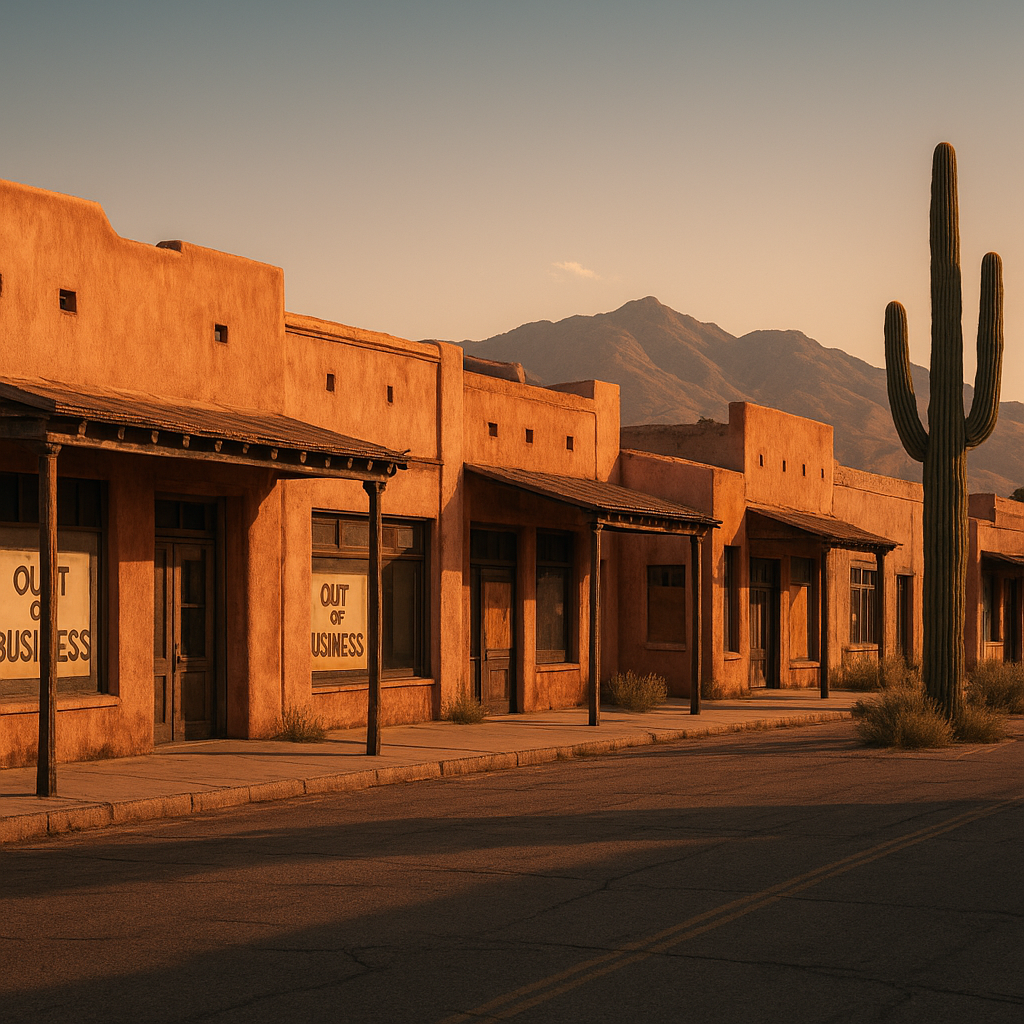
Have you noticed a few more “Going Out of Business” signs around Tucson lately? You’re not alone. A wave of closures is sweeping through parts of the city, and it’s easy to feel a little unsettled. But tucked inside this story is a surprising change that could flip the script for dreamers and doers. The City of Tucson is removing a long-standing business bond requirement, making it cheaper and easier to start something new. Let’s unpack what’s happening, why it matters, and how you might spot opportunity where others see an ending.
The Current Wave of Closures in Tucson
Walk down certain corridors—Fourth Avenue, downtown side streets, or older strip malls—and you’ll spot empty storefronts. Restaurants, boutiques, service shops, and even some long-time family businesses have quietly closed their doors. It’s not one single reason. Part of it is the hangover from pandemic disruptions. Another piece is rising rent and the cost of keeping the lights on. Sometimes the owner simply retires and nobody steps up to take over.
Think of it like a domino chain. When a popular coffee shop shuts down, the lunch spot next door loses foot traffic. That can slowly ripple across a neighborhood. The phrase “City of Tucson AZ going out of business” has become a common search term for bargain hunters and concerned locals alike. But these closures also create blank canvases. And that’s where the removal of the business bond enters the picture in a very timely way.
Why Is the City Removing Business Bonds?
First, let’s demystify what a business bond actually was. In Tucson, certain businesses were required to post a bond—a sum of money held by the city as a sort of insurance policy. If the business broke specific rules or left a mess behind, the city could tap that money. For a small startup, this bond could feel like a locked box full of cash you couldn’t use. Depending on the industry, it might have been hundreds or even thousands of dollars. That’s a big hurdle if you’re scraping together every penny to open your doors.
The city recognized that this requirement was cooling down entrepreneurship. By removing it, they’re essentially telling new business owners, “We trust you, and we want to lower the wall.” The removal of the business bond doesn’t mean zero regulations—permits and licenses still apply—but it scratches off one of the costly upfront fees. For anyone who has ever mumbled, “I’d love to start a little bakery, but the fees are wild,” this is a warm invitation.
What This Means for Aspiring Business Owners
Imagine you’re packing for a trip but you can leave the heaviest suitcase at home. Suddenly the journey feels possible, even exciting. That’s what bond removal does for a startup budget. Cash that would have been frozen can now go toward a fresh coat of paint, a neon sign, or that extra month of inventory.
Here’s what the change unlocks in everyday terms:
- Lower barrier to entry. You don’t need to raise as much money before you can legally open.
- Faster launch times. Less paperwork and fewer financial hoops mean you can get your keys and open sooner.
- More breathing room during slow months. Without a bond payment hanging over you, a quiet first season is less terrifying.
- Easier exit if needed. The “Going Out of Business” process itself becomes less tangled because there’s no bond to reclaim or dispute.
This is especially powerful when paired with the array of empty spaces that are already equipped with counters, plumbing, and electrical work. Think of it as inheriting a half-finished puzzle rather than starting with a blank table.
Turning Empty Storefronts into New Ventures
An empty shop isn’t a tombstone; it’s an open door, especially for the observant entrepreneur. When Tucson businesses close, their fixtures, equipment, and even their loyal customer base don’t always vanish. A furniture store that retires might leave behind shelving you can negotiate into the lease. A restaurant that shutters often sells its walk-in cooler for pennies on the dollar.
Ask yourself these questions as you scan the local landscape:
- Which gaps did the closed business leave in the neighborhood? Could a small grocery, a pet supply shop, or a repair cafe fill that void?
- Are there “Going Out of Business” sales where you can grab shelves, desks, or espresso machines at a deep discount?
- Is the landlord motivated to offer a few months of free rent to get a lively tenant back in the space?
One real-world example comes to mind. A beloved used bookstore near the university closed last year. The owners held a huge sale, but the space sat empty for months. A young couple noticed the foot traffic was still strong—students still wandered by looking for a place to hang out. They attended the liquidation, bought the wooden bookcases for a song, and transformed the spot into a cozy board game café. They kept the warm, literary vibe and added a fresh twist. Without the old business bond expense, they funneled their savings into a better espresso machine and a weekend events calendar. Today, it’s packed.
How to Spot a Golden Location
Not every closed business is a golden egg. You’ll want to put on your detective hat. Visit the area at different times of day. Chat with neighboring business owners—they’ll often share why the previous shop struggled. Look at parking, street visibility, and the overall health of the block. If half the storefronts are dark, that’s a warning sign. If just one or two have closed while others buzz, you might have found a diamond in the dust.
Practical Steps to Seize the Opportunity
Ready to take a closer look at this new landscape? Here’s a simple, jargon-free roadmap to turn the “Tucson businesses closing” headline into your own opening chapter.
- Start with a pencil, not a loan. Draft a lean business idea on a single page. What will you sell? Who will buy it? Why is now the right time?
- Visit the City of Tucson’s official website. Look for updated business license information. Confirm that your category no longer requires a bond. Save or print that page—it’s your peace of mind.
- Walk the neighborhoods you love. Take photos of empty spaces and note the contact numbers on the “For Lease” signs. Landlords are often ready to talk creatively.
- Connect with your local Small Business Development Center. They offer free, confidential advice. They can help you think through costs, marketing, and even a backup plan.
- Attend “Going Out of Business” sales. Yes, it feels like visiting a funeral, but it’s also a way to rescue quality items and inject them into your future venture.
- Build a tiny community before you open. Share your progress on social media. Ask neighbors what they miss most. The buzz you create will be your first advertising.
Keep in mind that not every experiment will blossom overnight. The bond removal simply clears one hurdle; the rest depends on your hustle, your relationships, and a dash of luck. But the playing field just got a little flatter.
A Common Fear, Reframed
It’s natural to glance at a row of dark windows and think, “Is Tucson struggling?” That worry can freeze us in place. But cities breathe in cycles. Storefronts empty, and then they fill again. The difference now is that the city is actively handing out a permission slip that says, “Come in, the cost just dropped.” When the business bond disappears, the risk calculations shift in your favor.
Picture a seesaw. On one side sit the closures and the sad goodbyes. On the other side sit lower fees, available spaces, and a community hungry for fresh hangouts. Right now, the seesaw is tipping toward anyone willing to put a key in a lock and say, “Let’s try something new.”
A Bright Side for Tucson’s Future
No one cheers for shuttered shops. They represent dreams that ran out of steam, families that weathered hard months, and employees who had to search for new paths. But the story doesn’t end there. The removal of the business bond is a quiet, powerful vote of confidence from the City of Tucson. It says the goal isn’t to collect fees; it’s to fill streets with energy and ideas.
The next wave of Arizona entrepreneurs can step into spaces that already have walls, wiring, and memories. They can launch with slightly fuller pockets because they aren’t writing a bond check. They can learn from past businesses, adapt, and build something that lasts. If you’ve been nursing a side hustle or a big-hearted idea, this might be your cue. The lights may have gone out in a few windows, but the dawn for new Tucson businesses is breaking. And it’s breaking with a much friendlier price tag.
Leave a Reply