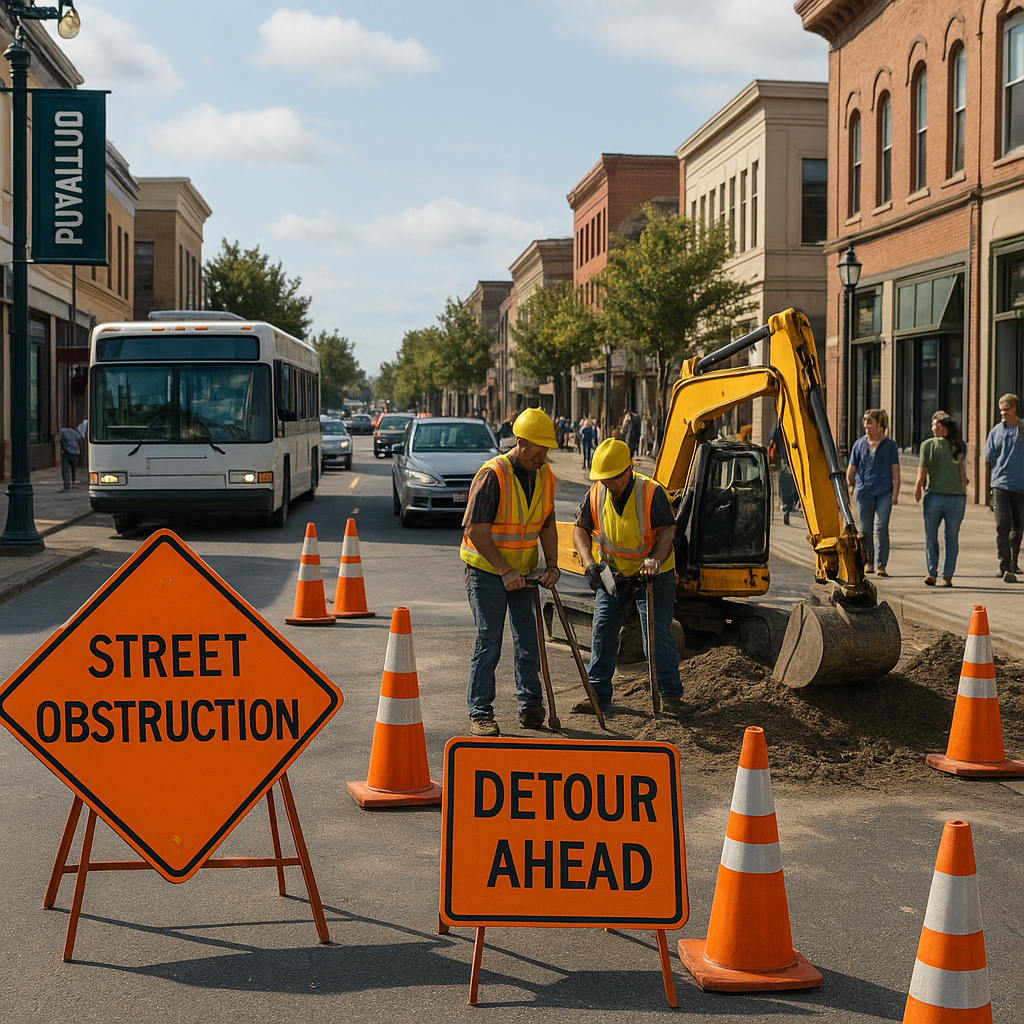
Have you ever walked or driven through a neighborhood and spotted a jagged edge where the sidewalk meets the street? Maybe a patch of asphalt was cut open for a utility repair and never quite smoothed out again. That bumpy ride isn’t just annoying — it can be a real safety hazard. The City of Puyallup, Washington, has a thoughtful new answer to that problem: a Street Obstruction Bond initiative designed to keep our public spaces safe, smooth, and accessible for everyone.
If you’re a contractor, a business owner, or even a homeowner planning a project that might touch a sidewalk, curb, or road, this is something you’ll want to understand. But don’t worry — we’re going to break it all down in plain, friendly language. No jargon, no head-scratching. Just the good stuff that helps you and your neighbors enjoy a better Puyallup.
The Big Idea: Making Streets Safer and Smoother
At its heart, the new Puyallup Washington Street Obstruction Bond is about accountability. Imagine you’re baking cookies at a friend’s house. You promise to clean up any spills and wash the dishes before you leave. The friend asks you to leave your favorite spatula with them — just in case you forget and the kitchen stays messy. They’ll give it back once everything is spotless. That spatula is a tiny version of a bond. It’s not a punishment; it’s a gentle nudge to do what you said you would.
Now scale that up to public streets. When someone needs to dig up a sidewalk, place a large dumpster, or block a lane for construction, they’re “borrowing” public property. The City of Puyallup wants to make sure that after the work is done, the surface is repaired just like new — or even better. The obstruction bond is that promise, backed up with a financial guarantee.
What Exactly Is a Street Obstruction Bond?
A Street Obstruction Bond is a type of surety bond required by the City of Puyallup, WA. Think of it as a three-way handshake between you (the person doing the work), the city (which owns the street), and a bond company (the partner that says, “We trust you’ll do it right”). If the work leaves behind a mess, uneven pavement, or an unsafe walkway, the city can use the bond to pay for the repairs. It’s not cash you lose forever — it’s simply a tool that ensures public spaces stay in top shape.
You might be wondering, “Isn’t this just another fee?” Not exactly. Most fees are spent and gone. A bond sits quietly in the background. As long as you restore the obstruction site to the city’s standards, the bond never gets touched. It’s more like a security deposit you get back after your project passes a final clean-up inspection.
Why Puyallup Is Rolling Out This Initiative Now
Puyallup is growing, and with that growth comes more construction, more utility upgrades, and more events that temporarily block sidewalks and curbs. Think about all the fiber-optic internet lines being installed, the water main replacements, the charming street fairs that set up staging and tents. Every time a road or walkway is obstructed, there’s a chance that the surface won’t be put back the way it should be.
The City of Puyallup’s street obstruction bond initiative is a proactive move. Instead of chasing down contractors or homeowners after a project, the city now has a straightforward, fair system. It’s not about making life harder — it’s about protecting the investments we all share. Smooth sidewalks aren’t just pretty; they’re essential for wheelchairs, strollers, walkers, and kids on bikes. Accessibility is a fundamental right, and this bond helps safeguard it for every resident.
A Little History: How Past Challenges Shaped the Change
If you’ve lived in the area long enough, you’ve probably seen it happen. A utility company finishes its work, patches the street, and within a few months, the patch sinks, creating a puddle or a tripping hazard. The city was left footing the bill for those fixes, which meant taxpayer dollars were spent on something that should have been handled by the original project owner. By requiring a Street Obstruction Bond, Puyallup flips that script. Responsibility stays where it belongs, and the community doesn’t have to wait for repairs to be squeezed into an already busy maintenance schedule.
How the Bond Works: A Simple Breakdown
Let’s walk through the process as if you’re a local homeowner replacing your water line. It’s not as clunky as it sounds.
- You Apply for a Permit. Before you or your contractor digs into any public right-of-way, you need a street obstruction permit from the City of Puyallup.
- Determine the Bond Amount. The city will tell you how much coverage you need. This often depends on the size and impact of the project. Small jobs might need a few thousand dollars in coverage, while bigger construction might require more.
- Secure the Bond. You contact a bond provider (usually an insurance agent or surety company). Pay a small percentage of the total bond amount as your premium — like paying a modest fee for the security deposit guarantee.
- Complete Your Work. Get the job done, while following all safety rules. Don’t forget to keep the area clear for pedestrians and drivers as much as possible.
- Restore and Inspect. Once the work is finished, you put the street, curb, or sidewalk back to the city’s standards. A city inspector will come out to check the work. If everything looks good, your bond obligation is released, and you’re all set.
If something isn’t right — say the concrete is uneven or the asphalt is crumbling — the city can call on the bond company to step in. The bond company would then cover the cost of hiring another crew to fix the problem. You’d be responsible for repaying the bond company, so it’s in everyone’s best interest to get it right the first time.
Who Needs to Get a Street Obstruction Bond?
You might think this only applies to big construction companies with hard hats and heavy machinery. But the reality is broader — and that’s a good thing. Puyallup’s obstruction bond initiative may apply to:
- Utility Companies: Gas, electric, water, and telecom providers that frequently need to access underground lines.
- General Contractors: Any project that blocks a sidewalk or lane for building, renovation, or demolition.
- Homeowners: If you’re installing a new driveway, trenching for a sewer line, or placing a large storage container on the street, you’ll likely need a permit and a bond.
- Event Organizers: Block parties, festivals, or parades that require temporary street closures often fall under this umbrella too.
- Moving Companies: When a moving truck or portable storage pod sits in the right-of-way for more than a short while.
Not sure if your project qualifies? A quick call to the City of Puyallup’s permit office can save you a lot of guesswork. The staff there are real people who want your project to succeed, and they’ll walk you through whether a bond is needed.
The Ripple Effect: Community Benefits
When you hear “bond initiative,” it’s easy to think of paperwork and red tape. But let’s focus on what this means for the people who live, work, and play in Puyallup every day.
Safer Sidewalks and Crossings. Uneven pavement is one of the top causes of trips and falls. By making sure every obstruction site is properly restored, the city dramatically reduces these risks. A grandparent using a walker or a parent pushing a stroller shouldn’t have to play obstacle course just to get to the park.
Better Curb Appeal. Pretty streets aren’t just for show. Well-maintained public spaces lift property values and make the whole city more inviting. The obstruction bond helps prevent those ugly, half-done patches that can make a neighborhood look neglected.
Faster, Fairer Repairs. In the past, if a contractor vanished after a job, the city had to scramble for funds and schedule a repair when it could. Now, the bond provides immediate financial backing. Repairs happen sooner, and the responsible party bears the cost, not all taxpayers.
Why Accessibility Is More Than a Buzzword
Puyallup takes its commitment to accessibility seriously. The Americans with Disabilities Act (ADA) is the law of the land, but beyond legal requirements, there’s a human side. An uncovered trench or a broken curb can make a street completely impassable for someone using a wheelchair. The obstruction bond ensures that temporary disruptions don’t turn into permanent barriers. When every resident can get to the store, the doctor, or the library without fear, that’s a win for the whole community.
Your Step-by-Step Guide to Securing a Bond
Feeling a little overwhelmed? Let’s simplify. Here’s a cheat sheet for getting your Street Obstruction Bond in Puyallup, Washington.
- Step 1: Talk to the City First. Visit the City of Puyallup’s website or call the community development department. Describe your project clearly. They’ll tell you the exact permit and bond requirements.
- Step 2: Find a Bond Provider. Most insurance agents can help with surety bonds. You can also ask the city for a list of local companies they’ve worked with. Don’t be afraid to compare quotes — premiums are usually a small fraction of the total bond amount.
- Step 3: Gather Your Documents. You’ll typically need your permit number, a description of the work, and the total bond amount required. The bond provider will handle the paperwork quickly.
- Step 4: Submit Proof to the City. Once you have the bond in hand (often in electronic form), send it to the city as part of your permit package. Keep a copy for yourself.
- Step 5: Do Great Work. Hire qualified professionals, follow all safety guidelines, and aim for a restoration that would make any neighbor smile.
- Step 6: Schedule the Final Inspection. When the job is done, let the city know. An inspector will check the site. If all is well, the bond is released. If not, you’ll get a clear list of what needs to be fixed.
It’s a system that rewards careful, quality work and holds everyone to the same reasonable standard.
Common Questions (And Honest Answers)
“Is this just a way for the city to make money?” No. The bond isn’t a tax or a hidden fee. The city doesn’t pocket the bond amount. It’s a guarantee that only pays out if something goes wrong. In an ideal world, the bond is never used, and the only cost to you is the small premium paid to the bond company.
“What if I’m a small-time do-it-yourselfer?” Even small projects can disturb the public right-of-way. If you’re doing the work yourself, you still need a permit and likely a bond. The amounts are typically manageable, and the process exists to protect everyone — including you, from future liability.
“How long does the bond stay in effect?” Usually, the bond remains active until the city confirms the restoration is completed to its satisfaction. That could be a few weeks or a couple of months, depending on the project. Your bond provider can explain the exact terms.
A Brighter, More Accessible Puyallup
Change can feel like a hurdle, but the City of Puyallup’s Street Obstruction Bond initiative is really about one simple thing: respect. Respect for the public spaces we all share. Respect for neighbors who deserve a safe, smooth path. And respect for the work everyone puts into making Puyallup a wonderful place to call home.
So the next time you see a crew out working on the street, you’ll know that behind that project is a promise — a promise that when the dust settles, our sidewalks, curbs, and roads will be as good as, if not better than, they were before. That’s something we can all get behind, one smooth step at a time.
If you have a project coming up, don’t hesitate to reach out to the City of Puyallup. Their team is ready to guide you through the permit and bond process with a friendly, human touch. After all, building an accessible future is a team effort — and you’re a valuable part of that team.
Leave a Reply