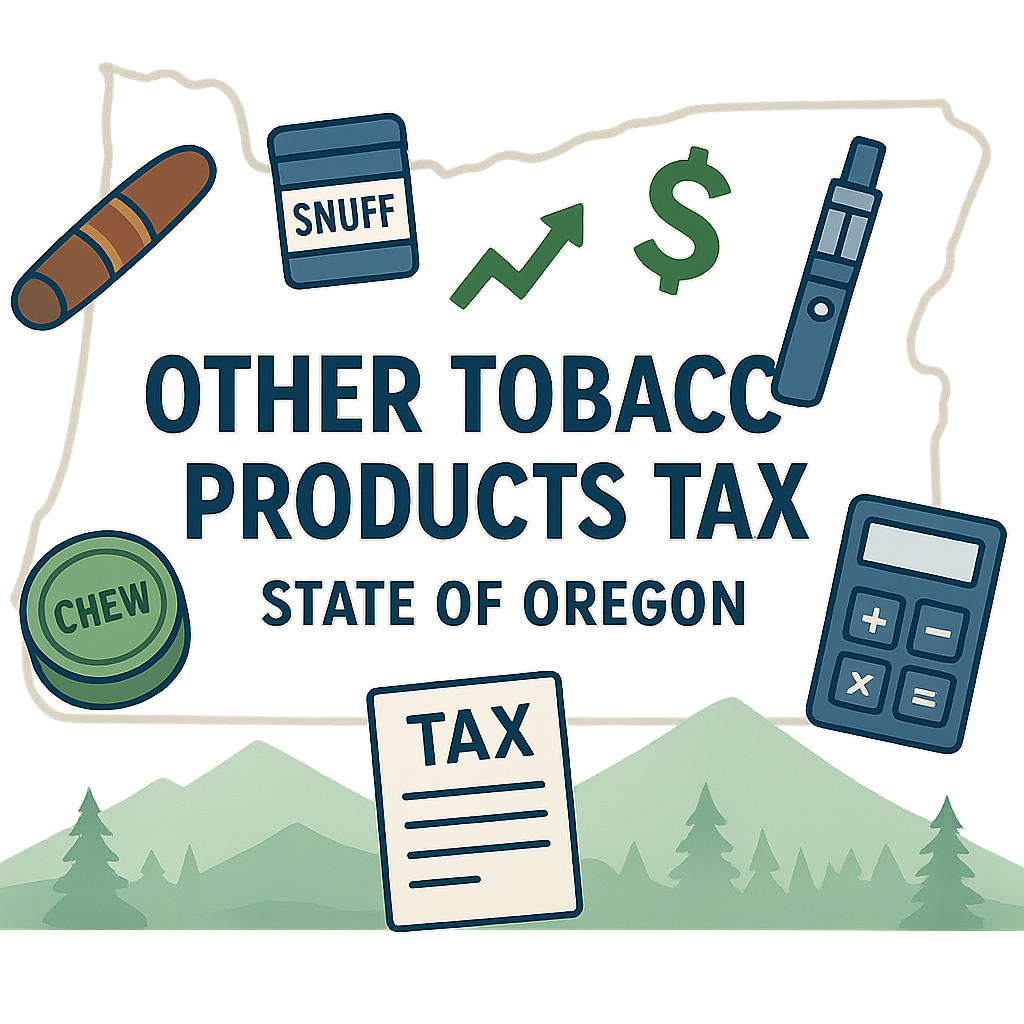
Oregon has just made a big move that touches both wallets and well-being. If you enjoy cigars, pipe tobacco, chewing tobacco, or even modern vaping products, the cost of those items is about to change. The state recently passed an increase on the Other Tobacco Products (OTP) tax, aiming to generate more revenue for public health programs while also nudging people toward healthier choices. But what exactly does this mean for you, the local shop owner, or the casual consumer? Let’s break it down in plain English, no complicated jargon required.
What Exactly Are “Other Tobacco Products”?
When we hear “tobacco tax,” most of us immediately think of cigarettes. But there’s a whole world of tobacco and nicotine items that fall outside that traditional pack of smokes. The state of Oregon groups these under the catchy label “Other Tobacco Products,” or OTP for short. Think of it as the everything-else category. That includes cigars, little cigars, pipe tobacco, chewing tobacco, snuff, snus, and even loose rolling tobacco. More recently, this category has grown to cover modern nicotine delivery systems like vaping liquids and e-cigarette products. If it’s tobacco or nicotine and it’s not a standard cigarette, it’s very likely an OTP.
Why separate them? Because they’ve historically been taxed at different rates, and that difference is exactly what Oregon lawmakers just tightened up. The goal is to close loopholes and create a more level playing field across all tobacco products.
The Lowdown on the Tax Increase
So, what actually went up? Oregon raised the tax rate on Other Tobacco Products. Previously, OTP was taxed at a lower rate compared to cigarettes, which some health advocates argued made those alternative products more attractive, especially to younger people. The new law bumps that rate up significantly, bringing it closer in line with the cigarette tax. While the exact cents-per-dollar amount can vary based on the product type and its wholesale price, the bottom line is that consumers will see higher shelf prices on everything from a premium cigar to a bottle of vape juice.
Why do this? The state’s reasoning is twofold. First, higher prices are one of the most effective ways to discourage tobacco use, particularly among price-sensitive groups like teenagers and young adults. Second, the extra money collected doesn’t just vanish into a general fund. It’s earmarked to boost public health revenue, funding programs that help people quit smoking, cover healthcare costs linked to tobacco-related illnesses, and support community wellness initiatives.
A Closer Look at the Numbers
Let’s put some skin in the game. Imagine you walk into a shop to buy a mid-range cigar that used to cost you 10 dollars. Under the old tax structure, maybe a small fraction of that price went to the state. With the increase, that same cigar might now be closer to 12 or 13 dollars, depending on the wholesale markup. For a weekly buyer, that adds up fast. For a business selling hundreds of units, the impact on inventory cost is huge. The same logic applies to a 30-milliliter bottle of vaping liquid — that could jump from 15 dollars to 18 or 20 dollars practically overnight.
It’s not just a tiny adjustment. This is a deliberate price hike designed to make you pause. Do you really need that impulse buy at the checkout counter? That pause is exactly what public health officials are hoping for.
Enter the OTP Tax Bond: A Safety Net for the State
Here’s where things get a bit more technical, but stick with me because it’s crucial if you’re a business owner. Alongside the tax increase, Oregon reinforces a requirement called the Other Tobacco Products Tax Bond. You can think of this bond as a financial promise. It’s not a tax itself, but a guarantee that the state will get the tax money it’s owed.
Distributors who bring OTP into Oregon or sell it at wholesale must post this surety bond with the state. If the business fails to pay the correct taxes on time, or somehow skirts the rules, the state can make a claim against that bond to recover the missing funds. The bond protects taxpayer revenue without having to chase down a closed shop or a bankrupt company. For a responsible distributor, it’s a routine part of doing business, much like getting a license. For the state, it’s a security blanket that ensures the new tax increase actually translates into real dollars for public health.
Who Needs This Bond and How Does It Work?
Not every convenience store on the corner needs to run out and get a bond. The requirement generally targets the first link in the Oregon supply chain: the wholesale distributor or the manufacturer selling directly into the state. If you’re purchasing large quantities of cigars from out of state, storing them in a warehouse, and then selling them to local shops, you are almost certainly the one who needs that bond.
Here’s an easy analogy. Renting an apartment: your security deposit is there in case you damage the place or skip out on last month’s rent. The landlord doesn’t hope you’ll cause a problem; they just have a safety net. The OTP tax bond works the same way. The state is your landlord for tax purposes. You’re promising to pay your tax bill every month. The bond sits there quietly, only getting used if you break that promise. It’s not a recurring fee you lose; it’s a financial guarantee you secure through a bonding company for a small annual premium, often a percentage of the total bond amount.
How This Affects Local Shops and Consumers
Let’s pull this out of the abstract and into your local vape shop or cigar lounge. The shop owner gets a revised price list from their distributor. That new higher price already has the tax cost baked in, plus often a small margin to cover the distributor’s compliance costs, including that bond. The shop owner has a tough choice: swallow the extra cost and see their profit shrink, or pass it along to you, the customer. Most will pass it on, leading to that sticker shock at the register.
As a consumer, you might find yourself asking: “Is this product still worth it to me?” And that question is precisely the public health win. Some people will cut back. Others will switch to a less expensive brand. A few will finally take that step to quit altogether. Every person who reduces their tobacco intake is a success story in the eyes of the Oregon Health Authority. Meanwhile, the tax dollars collected from those who continue to purchase help fund cessation programs for the next person trying to quit.
There’s also a ripple effect on inventory choices. A shop might decide to stock fewer ultra-premium cigars if customers start trading down. Vape liquid brands that hover at a higher price point might lose shelf space to more budget-friendly options. The market adapts, and fast.
Public Health Revenue at Work
Where does all that extra tax money go? The title promises a boost to public health revenue, and Oregon has a plan. A significant chunk of the funds pours into the state’s Tobacco Use Reduction Program. This isn’t just a vague handout; it’s a concrete initiative that provides free quit coaching over the phone and online, supplies nicotine replacement patches and gum to eligible residents, and runs hard-hitting media campaigns that remind you why quitting matters.
There’s more. Some of the money supports community grants for local health departments to combat tobacco use in high-risk neighborhoods. Other dollars go toward youth prevention, reaching kids before they ever pick up a vaping pen. By tying the tax directly to health spending, Oregon creates a self-reinforcing loop: the tax discourages use, and even when it doesn’t, it funds the very programs that help people stop. It’s a clever dance between fiscal policy and social good.
Sales, Use, and Consumers Taxes: The Bigger Picture
While we’re focused on the OTP tax, it’s worth zooming out for a second. The original article mentions “Sales/Use/Consumers Taxes.” Oregon is one of the few states with no general sales tax, but that doesn’t mean every transaction is tax-free. Specific excise taxes, like the one on tobacco products, alcohol, or fuel, act as targeted sales taxes. When you see these grouped together, it’s a reminder that the state picks certain products to tax heavily for regulatory and revenue reasons.
This sales/use tax connection matters because if a consumer buys OTP from a remote seller online who doesn’t charge Oregon’s tax, technically the consumer still owes a use tax. The new OTP tax increase, paired with tighter enforcement and the bonding requirement, makes it much harder for out-of-state sellers to bypass Oregon’s system. The state is closing gaps so that the tax applies fairly whether you walk into a brick-and-mortar store or click “order” from your couch.
Navigating Compliance Without the Headache
If you’re a business owner feeling a little nervous about these changes, take a deep breath. While the new rules are strict, they’re also clear. Start by checking your current tax registration. Are you properly classified as a distributor? Next, find out your exact bond requirement amount — the Oregon Department of Revenue calculates it based on your expected monthly tax liability. You can then work with a licensed surety bond provider who will get you a quote fast. Remember, the bond is not a punishment; it’s a standard industry tool.
Keep thorough records of every wholesale purchase and sale. The state loves paperwork, but good bookkeeping protects you too. If you ever face an audit, you’ll have the invoices to prove you paid your taxes. Think of it as your own safety net against mistakes. And if you’re a consumer simply wondering whether your favorite corner shop will survive the changes, keep supporting local businesses. They’re adapting alongside everyone else.
What Comes Next for Oregon?
Will the tax increase work as intended? Early signs from other states that raised OTP taxes show a dip in consumption and an initial spike in revenue, followed by a gradual decline as healthier behaviors take hold. Oregon expects the same curve. The state is already bracing for a future where fewer people use tobacco, planning a soft landing by using current revenue to prevent chronic disease, rather than relying on it forever.
For you, whether you’re a tax-paying citizen, a business owner, or someone thinking about quitting, the message is clear. Oregon is serious about cutting tobacco’s grip on its residents. The price hike makes the habit a little more painful to the pocketbook, while the bond requirement keeps the business side honest. It’s a combined approach that uses both a carrot and a stick — or in this case, a tax and a bond.
Next time you budget for that pack of little cigars or that vape cartridge, remember that the extra cents aren’t arbitrary. They’re a deliberate investment in a healthier Oregon. And if that price tag finally pushes you over the edge to call a quit line? Well, the state has already set aside the cash to answer your call.
Leave a Reply