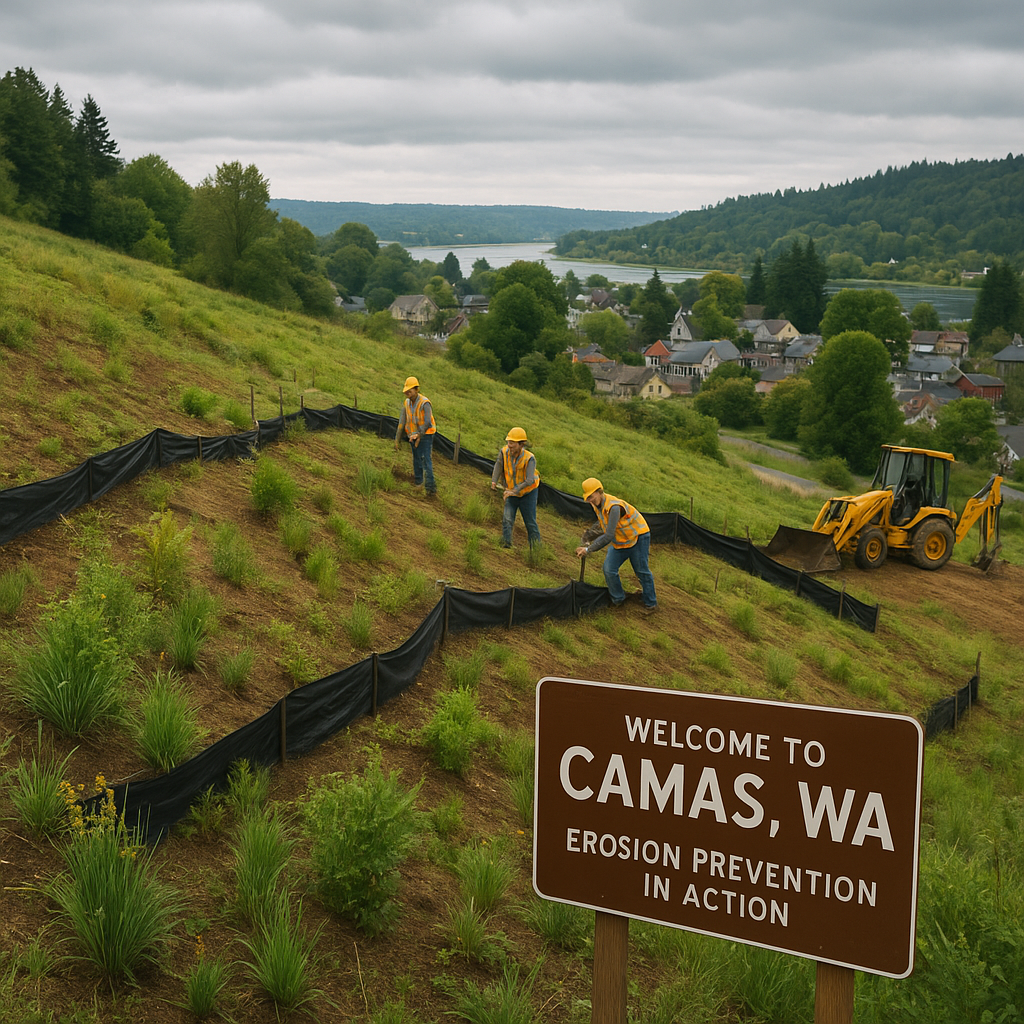
Have you ever watched a construction site turn into a muddy mess after a heavy rain? Picture those rivers of brown water carrying soil, sand, and debris straight into our storm drains. That’s exactly what the City of Camas, WA is working hard to prevent. The city has rolled out updated erosion prevention and sediment control measures, and at the heart of this effort is something called a bond. If you’re a developer, contractor, or a curious resident, you might wonder: what does this all mean, and why should I care? Let’s break it down in simple, everyday language.
What’s the Big Deal About Erosion and Sediment?
Before we dive into bonds and city rules, let’s talk about the problem itself. Erosion is the process where soil gets worn away by wind or water. Sediment is what that soil becomes—tiny particles that float away and settle somewhere they don’t belong. On a construction site, you’ve got exposed dirt everywhere. When it rains, water picks up that loose soil and carries it downhill. Without proper controls, that muddy water ends up in streets, creeks, and rivers.
Think of it like spilling a bag of flour on your kitchen floor, then trying to wash it away with a hose. That floury water will spread everywhere, clogging the drain and making a sticky mess. Now multiply that by a hundred dump trucks of dirt. That’s what happens when a construction project doesn’t manage erosion properly. Sediment can smother fish habitats, clog stormwater pipes, increase flooding risks, and carry pollutants like oil or chemicals into our waterways. The city is stepping up to protect our shared environment, and the new bond requirements are a big part of that.
So, What Is an Erosion Prevention and Sediment Control Bond?
An erosion prevention and sediment control bond is essentially a financial promise. It’s a set amount of money that a developer or builder must set aside before they break ground on a project. This money acts like a security deposit. The city holds the bond until the project is finished, and all the required protective measures have been installed and inspected. If the builder follows the rules and keeps the site clean, they get the bond money back. If they don’t, the city can use those funds to fix any problems or pay for cleanup.
Why a bond? Well, let’s be honest: rules on paper are only as good as their enforcement. The bond puts some teeth into the requirements. It makes sure there’s money available to correct any damage without the city having to chase someone down or dip into taxpayer funds. It’s a common-sense approach that many cities are adopting.
How Does Camas, WA’s New System Work?
Let’s walk through a typical scenario so you can see the process in action. Imagine you’re a contractor planning to build a small subdivision in Camas. You’ve got your permits, your site plans, and your big yellow machines ready. Before you can start moving dirt, the city now requires you to post an erosion prevention and sediment control bond.
Step 1: Plan Your Controls
You’ll need a detailed plan showing how you’ll keep sediment from leaving the site. This usually includes things like silt fences, gravel construction entrances, sediment basins, and straw wattles. The city reviews this plan to make sure it meets local stormwater standards.
Step 2: Calculate the Bond Amount
The bond amount isn’t pulled out of thin air. It’s based on the size of the disturbed area and the estimated cost of installing and maintaining erosion controls. A bigger project with more exposed dirt will have a higher bond. This ensures the city has enough financial backup if things go wrong.
Step 3: Post the Bond
You can usually provide the bond in the form of cash, a letter of credit, or a surety bond through an insurance company. The money is held by the city in a dedicated fund. Once the bond is in place, you get the green light to start work.
Step 4: Maintain and Inspect
During construction, you’re responsible for keeping those control measures in good shape. Fences get torn, sediment builds up, and rainy weather can overwhelm a system. Regular inspections (both by you and city staff) make sure everything is working. If an inspector finds a problem, you’ll have a short window to fix it. If you don’t, the city can dip into the bond to hire a crew to do it for you.
Step 5: Final Stabilization and Release
Once the project is finished and the site is stabilized with grass, gravel, or pavement, you can request a final inspection. If everything passes, the bond is released back to you. It’s that simple. No ongoing obligation, no hidden fees—just a straightforward way to keep everyone accountable.
Why Is This Something to Get Excited About?
You might be thinking, “Great, more red tape.” But let’s flip the perspective. This isn’t just bureaucratic busywork; it’s a practical tool that protects all of us who live, work, and play in Camas.
- Cleaner Water: Less sediment in our streams means healthier fish, clearer water, and safer places for kids and pets to splash around.
- Lower Infrastructure Costs: When storm drains don’t get clogged with mud, the city spends less on maintenance. That saves tax dollars in the long run.
- Neighborly Peace of Mind: Nobody wants a construction site next door to turn their street into a mudslide. These rules help prevent messy runoff that can damage neighboring properties.
- Protecting Our Natural Beauty: Camas is known for its scenic hillsides and proximity to the Columbia River. Keeping soil where it belongs preserves that beauty for generations.
Have you ever driven by a construction site and seen brown, silty water flowing into the gutter? That’s a violation waiting to happen. Now, with the bond requirement, there’s a strong financial incentive for builders to keep things tidy from day one.
Who Needs to Pay Attention?
If you’re planning any land-disturbing activity in Camas—whether it’s a new housing development, a commercial building, or even a large home addition—you’ll likely need to secure this bond. The threshold is usually set at a certain amount of disturbed area, often 500 square feet or more. Smaller DIY projects like planting a garden might not trigger it, but it’s always smart to check with the city’s Community Development Department before you dig.
Homeowners who hire contractors should also be aware. A reputable builder already knows about these rules and will include the bond cost in their estimates. If a contractor tries to skip this step, it’s a red flag. Protecting the environment and following local laws is part of a professional job.
Common Misconceptions (Let’s Clear Them Up)
Whenever something new comes along, rumors can fly. Let’s tackle a few head-scratchers you might hear around town.
“The bond is just a money grab by the city.”
Actually, the bond isn’t a fee or a tax. It’s fully refundable if you do the right thing. The city doesn’t profit from it. The money sits in an account and is returned once your site is stable. It only gets used if you fail to meet your obligations—and even then, it goes toward fixing the specific problem you created.
“It’s too complicated for small projects.”
The process scales. A small residential lot with minimal disturbance will have a much lower bond than a 50-acre subdivision. The paperwork is proportional, and city staff are there to help. Many contractors find it surprisingly straightforward once they’ve done it once or twice.
“I can just throw down a silt fence and call it good.”
Not quite. A silt fence alone won’t cut it if you have steep slopes or heavy rain. The city requires a comprehensive plan that matches the site’s unique challenges. It’s not about checking a box; it’s about genuinely preventing pollution. Think of it as a tailored suit instead of a one-size-fits-all poncho.
Practical Tips for a Smooth Sailing Project
If you’re gearing up for a construction project in Camas, a little planning goes a long way. Here are some friendly tips to make the bond process pain-free:
- Start early: Don’t wait until the day before you want to break ground. Get your erosion control plan and bond sorted weeks ahead. City plan reviewers appreciate the lead time.
- Work with a local expert: A civil engineer or stormwater specialist familiar with Camas’s specific requirements can save you time and money. They know what the city looks for and can design a system that works.
- Inspect after every rain: A heavy downpour can wreck your controls overnight. Walk the site the next morning, fix any breaks, and remove built-up sediment. This simple habit prevents messy surprises during official inspections.
- Keep good records: Take photos, save receipts for materials, and note any repairs you make. If a dispute ever arises, documentation is your best friend.
- Communicate with the city: The folks at Camas City Hall aren’t your enemy. They want your project to succeed just as much as you do. If you’re unsure about something, pick up the phone or send an email. A quick conversation can clear up confusion fast.
What Happens If You Ignore the Rules?
Let’s say someone decides to skip the bond and starts bulldozing. What’s the worst that could happen? Well, the city can issue a stop-work order. That means all construction halts until compliance is achieved. Fines can pile up daily. And if sediment damages a nearby creek or clogs public drains, the cleanup costs—often much higher than the bond itself—will land squarely on the responsible party. No one wants to be the neighbor who poisoned the local fishing hole. It’s just not worth the risk.
The Bigger Picture: Building a Resilient Camas
Every time a city like Camas tightens its erosion rules, it’s a step toward smarter growth. These regulations don’t just protect nature; they protect property values, public health, and the sense of community we all cherish. Imagine a future where every construction site is so clean that you barely notice it’s there. No mud on the roads, no dusty air, no murky puddles. That’s the goal.
So next time you see a silt fence flapping in the breeze near a new building site, you’ll know there’s a whole system working behind the scenes. And that little fence is backed by a bond—a promise that the people building our city are also committed to protecting it. That’s something worth celebrating.
If you have questions about specific requirements, head over to the City of Camas official website or stop by their community development office. They’ve got handouts, checklists, and friendly staff ready to help you navigate the process. Let’s keep Camas beautiful, one construction site at a time.
Leave a Reply