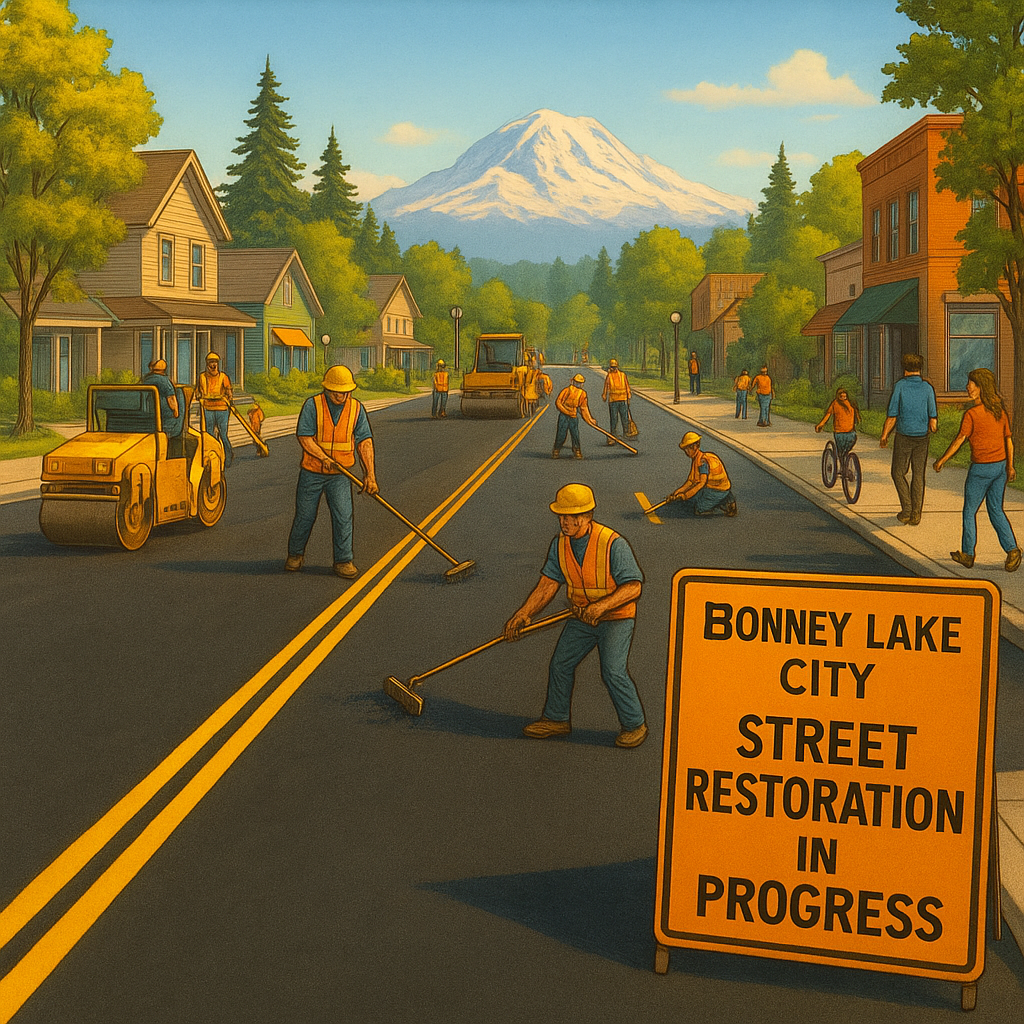
Have you ever driven through a neighborhood and noticed fresh pavement where utility work was done? That smooth, black strip of road didn’t happen by accident. Behind every street cut is a promise—one that ensures the road gets put back together the right way. In Bonney Lake, Washington, that promise is called a Street Restoration (Single Permit) Bond. If you’re a contractor, a homeowner planning a project, or just someone who cares about local infrastructure, this is a topic worth understanding.
Let’s break it down in plain English. No confusing legal talk. Just the facts you need to feel confident about how street restoration bonds work in Bonney Lake.
What Is a Bonney Lake Street Restoration Bond?
Think of a street restoration bond as a security deposit for public roads. When a contractor digs into a street or sidewalk to reach water lines, sewer pipes, or fiber optic cables, the city wants a guarantee. They need to know the road will be repaired to its original condition—or better. The bond is that guarantee.
In Bonney Lake, this specific bond is often called a Single Permit Bond because it covers one specific project. It’s tied to the right-of-way permit you pull from the city. The bond ensures that if the contractor doesn’t complete the restoration properly, the city has funds to step in and fix it without dipping into taxpayer money.
Why Does Bonney Lake Require This Bond?
You might be wondering: Why can’t the contractor just promise to do a good job? Well, the city has learned over time that a handshake isn’t always enough. Small mishaps can turn into big problems—potholes, sinking asphalt, drainage issues. These aren’t just annoyances; they can damage vehicles, cause accidents, and lead to expensive long-term repairs.
By requiring a right-of-way bond, the City of Bonney Lake protects everyone. Residents get peace of mind. Contractors show they’re responsible. And the city maintains safe, attractive streets without a budget shortfall if a job goes wrong.
Who Needs a Street Restoration Bond in Bonney Lake?
This bond isn’t for every single project. It applies when you or your contractor need to excavate within the public right-of-way. That includes streets, sidewalks, curbs, and sometimes even the strip of grass between the sidewalk and the curb. Common examples include:
- Installing a new water service line from the main to a house.
- Repairing a broken sewer lateral under the road.
- Trenching for gas, electric, or telecommunication lines.
- Adding a new driveway approach that crosses a sidewalk.
If you’re a homeowner hiring a contractor for this kind of work, the contractor typically handles the bond as part of the permit process. But if you’re a DIY-savvy homeowner pulling a permit yourself, you might need to secure the bond directly.
How Does the Bond Protect the City and Its Residents?
Imagine a scenario: A utility company digs across Main Street to fix a leak. They fill the trench and lay temporary asphalt. Months later, that patch sinks three inches. Now every car that drives over it feels a jarring thud. The city notifies the contractor to come back and fix it, but they’ve gone out of business or simply refuse.
Without a bond, the city would have to pay for a new restoration out of its own pocket—money meant for parks, police, or other services. But because a Bonney Lake street restoration bond was in place, the city can file a claim. The bonding company pays out the cost to hire a different contractor to permanently repair the road. The original contractor is still on the hook to repay the bonding company, so there’s a strong incentive to get it right the first time.
What Happens During the Restoration Process?
Understanding the steps makes the whole thing less mysterious. After the underground work is done, the permit holder restores the street in layers. Typically, this means compacting the backfill material, applying a base layer of asphalt, and then—after some time to let settlement happen—installing the final cap of pavement. The city inspects at various stages to make sure everything meets standards.
The bond usually remains in effect for a set period after the final restoration, often one to two years. This warranty period ensures that if a defect shows up down the road (literally), the contractor is still responsible.
Common Defects Inspectors Look For
- Depressions or “birdbaths” that hold water.
- Cracks wider than a certain threshold.
- Uneven joints between old pavement and new.
- Damaged curbs or gutters that weren’t fixed.
How Much Does a Single Permit Bond Cost?
Contractors often ask about price first. The good news is a single permit bond is generally very affordable. The bond amount—the maximum the city can claim—is set by Bonney Lake based on the scope of work and the area being disturbed. A small trench might require a $5,000 bond, while a large intersection rebuild could be $25,000 or more.
However, you don’t pay the full bond amount. You pay a premium, which is a small percentage of that total. For most contractors with decent credit, the premium might be as low as 1% to 3% of the bond amount. So a $10,000 bond could cost just $100 to $300 for the entire permit duration. That’s a small investment to start a project that could be worth thousands—or millions—of dollars.
Can a Homeowner Get This Bond?
Yes, but it’s slightly different. Most homeowners aren’t in the business of digging up streets regularly, so surety companies don’t have a track record to evaluate. You might need to provide personal information like a credit check or even collateral in some rare cases. That’s why most Bonney Lake residents leave this step to the licensed and bonded contractor they hire. If you’re determined to do it yourself, a local insurance agent who specializes in surety bonds can guide you through the process.
Benefits Beyond the Pavement
On the surface, a bond feels like just another bureaucratic hoop to jump through. But look closer. This system encourages higher quality work. Contractors know they’ll be held accountable months later, so they’re careful from day one. That means fewer traffic cones, fewer bone-rattling potholes, and a longer life for Bonney Lake streets overall.
Also, the bond requirement levels the playing field. Reputable contractors who stand by their work aren’t undercut by operators who cut corners and disappear. It’s a win for quality.
Steps to Get Your Bonney Lake Street Restoration Bond
If you’re ready to move forward, here’s a simple roadmap:
- Contact the City of Bonney Lake Public Works Department. They’ll tell you exactly what bond amount is needed for your specific project and what permit forms to fill out.
- Reach out to a surety bond agency. Provide them with the bond form from the city, your business details (or personal details if a homeowner), and the bond amount.
- Get a quote and pay the premium. The agency files the bond directly with the city or gives you the original document to submit with your permit application.
- Pull your permit and start work. Keep your restoration timeline in mind—inspections are part of the deal.
- Once the final inspection passes and the warranty period ends, the bond is released. You don’t need to renew it unless you have another project.
What If a Claim Happens?
Nobody wants a claim, but it’s smart to know the landscape. If the city determines your restoration failed and you don’t correct it in a timely manner, they’ll notify the surety company. The surety investigates, and if the claim is valid, they’ll pay the city. Then they’ll come to you for reimbursement—including any legal fees. That’s why it’s crucial to respond to city notices immediately and fix any deficiency before it escalates to a claim.
A Little Piece of Mind for the Whole Community
So next time you see a crew digging up Bonney Lake streets, you’ll know a bit about what’s happening behind the orange cones. The Street Restoration (Single Permit) Bond isn’t just paperwork. It’s a vital tool that keeps our infrastructure sturdy, our budgets intact, and our neighborhoods looking sharp.
Whether you’re planning a project or just curious about how your city works, understanding these little-known protections makes you a more informed resident. And when everyone does their part, Bonney Lake stays the beautiful, well-kept place we all enjoy calling home.
Leave a Reply