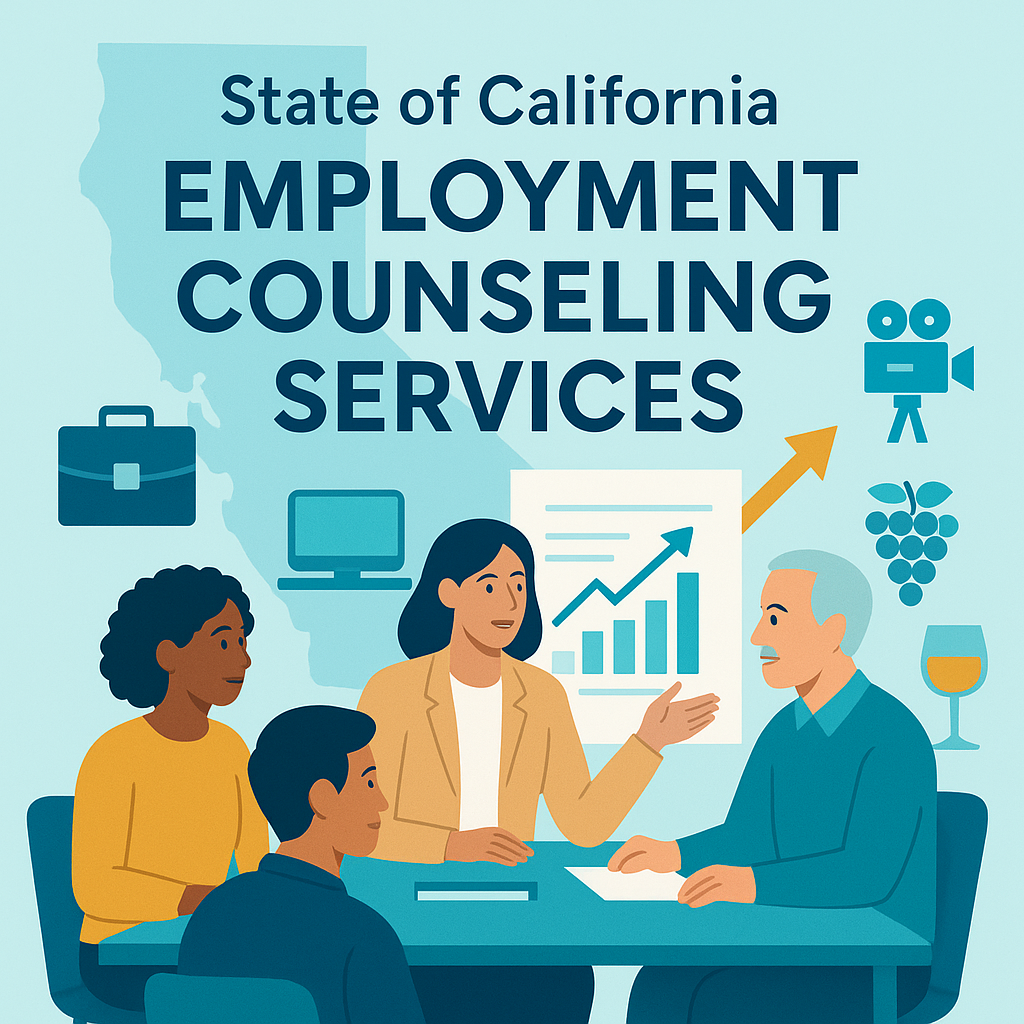
Have you ever wondered what protects you when you turn to a professional for career advice? Imagine handing over your hard-earned money to an employment counseling service, hoping they’ll help you land that dream job. What happens if they don’t deliver on their promises? That’s where a special kind of safety net comes into play, and in California, it’s called the Employment Counseling Service Bond. Let’s walk through what this bond is, why it exists, and how it keeps everyone on solid ground.
What Exactly Is an Employment Counseling Service Bond?
Think of a surety bond as a promise with three parties involved. You have the employment counseling service (the principal), the state of California (the obligee), and the bond company (the surety). The bond guarantees that the counseling service will follow all the laws and regulations set by the state. If they break those rules—say, by charging excessive fees or making false claims—the bond provides a way for affected clients to get their money back. It’s not insurance for the business itself; it’s protection for the public.
In simpler terms, it’s like a security deposit you’d put down when renting an apartment. The landlord holds it to make sure you don’t damage the property. Here, the state requires the bond to make sure counseling services treat people fairly and honestly.
Why Does California Require This Bond?
California is known for its strong consumer protection laws, and the employment counseling industry is no exception. The state requires these bonds to keep unethical operators in check. Sadly, not every company out there has your best interests at heart. Some might promise a guaranteed job placement, take your money upfront, and then vanish. Others might misrepresent your chances of getting hired in a certain field just to sell you a costly package.
The bond acts as a layer of accountability. If a service violates the California Business and Professions Code or the California Employment Counseling and Job Listing Services Act, the bond can be used to compensate victims. It’s a powerful incentive for businesses to operate transparently. They know that if they mess up, a claim can be made, and they’ll have to pay the surety back anyway.
Who Needs to Get This Bond?
If you’re running a business in California that offers career counseling, resume writing help, job placement assistance, or interview coaching for a fee, you likely need this bond. This includes both physical storefronts and online services that cater to California residents. The rule applies to any individual or company that helps people find work and charges for those services, with very few exceptions.
Let’s say you’re a solo career coach helping tech professionals polish their LinkedIn profiles. If you charge for that advice, you probably fall under the requirement. The same goes for agencies that connect job seekers with employers and collect fees for that matchmaking. It’s always a good idea to double-check with the California Attorney General’s office or the local licensing authority, but the general rule is broad.
How Much Does an Employment Counseling Service Bond Cost?
This is one of the most common questions, and the answer is pleasantly surprising. The bond amount required by the state is usually $10,000, but you don’t have to pay that full amount out of pocket. You pay a small premium, often somewhere between 1% and 5% of the total bond value. So for a $10,000 bond, you might pay just $100 to $500 per year, depending on your credit score and financial history.
If your credit is solid, you could get the best rate. Even if your credit isn’t perfect, specialty bond providers can often help, though the premium might be a bit higher. The key takeaway? It’s an affordable way to meet the legal requirement and build trust with your clients.
The Step-by-Step Process to Get Bonded
Getting bonded doesn’t have to be a headache. Here’s a simple breakdown of what to expect:
- Check your requirements: Confirm with the state that you need an employment counseling service bond and the exact bond amount.
- Gather basic information: You’ll need your business name, address, contact details, and often your Social Security number or business tax ID. The surety will use this to run a credit check.
- Apply with a reputable bond provider: You can work directly with a surety company or go through a bond broker who can shop around for the best rate. Many offer quick online applications.
- Get a quote and pay the premium: Once approved, you’ll see the annual premium. Pay that, and the bond is issued.
- File the bond with the state: The surety will give you the official bond form. You need to file it with the California Attorney General’s office or the appropriate agency. Keep a copy for your records.
The whole process can often be completed in just a day or two. It’s one of the simpler hurdles to clear when starting or renewing your counseling practice.
What Happens If Someone Files a Claim Against Your Bond?
No one wants a claim, but life happens. If a client feels you’ve violated the rules—maybe you didn’t provide the services you promised or you charged an illegal upfront fee—they can file a claim with the surety company. The surety will then investigate the claim to see if it’s valid.
If the claim is found to be legitimate, the surety will compensate the client up to the bond amount. But remember, this isn’t free money for you. You, as the business owner, are fully responsible for repaying the surety every penny they paid out, plus any legal fees. That’s the critical distinction between a bond and insurance. The bond protects the public and the state, not your wallet. It’s a strong motivator to keep your business practices clean.
How This Bond Builds Trust and Credibility
Beyond the legal requirement, displaying that you’re bonded sends a clear message to your clients. It says, “I’m serious about my business, and I’m committed to treating you fairly.” In an industry where trust is everything, that little badge can set you apart from competitors who might operate under the radar.
Think about a job seeker who’s been burned before. They’re going to be cautious. When they see you’re bonded and licensed according to California state law, they breathe a little easier. It’s an instant credibility booster that can lead to more clients and positive word of mouth. Plus, it shows you’ve taken the time to understand and comply with state regulations, which reflects a professional mindset.
Common Misconceptions, Busted
Let’s clear up a few things that often confuse people. First, the bond is not the same as business liability insurance. Insurance protects you from accidents, lawsuits, or property damage. The bond is specifically there to protect consumers and the state from your wrongful acts. You might need both, but they serve very different purposes.
Second, the bond covers the business, not individual employees. If you’re the owner, the bond applies to your entire operation. Third, the bond amount is typically a one-time requirement per license, not a per-client thing. You don’t need a new bond for every person you help. One valid bond keeps you compliant until it’s time to renew.
What Could Happen Without the Bond?
Operating without a required employment counseling service bond in California is a serious misstep. The state can hit you with hefty fines, revoke your business license, or even take legal action to shut you down. You also open yourself up to direct lawsuits from clients without the safety net of a structured bond claims process. In a worst-case scenario, your reputation could be permanently damaged, making it nearly impossible to rebuild trust.
For the clients, an unlicensed and unbonded service means there’s no easy route to get their money back if things go wrong. They’d have to go through small claims court, which takes time and energy. The bond is there to make that whole process smoother and more efficient for everyone involved.
Renewing Your Bond: Keep It Current
Bonds aren’t eternal. Most employment counseling service bonds are issued for a one-year term and need to be renewed annually. The surety will usually send you a renewal notice and an invoice for the next premium. It’s crucial to renew on time. If your bond lapses, you’re instantly out of compliance with state law. That means you might have to stop offering services until the new bond is in place, which can lead to lost income and frustrated clients.
If your credit has improved since you first got the bond, you might even qualify for a lower premium at renewal. It never hurts to ask your provider for a re-evaluation.
Protecting Your Business and Your Clients
At its heart, the California employment counseling service bond is about fairness. It keeps the playing field level for business owners and gives clients a safety net they can count on. Whether you’re a new career coach or an established agency, understanding and respecting the bond requirement is a smart business move. It’s not just a box to tick on a form—it’s a foundation of trust that helps your practice grow.
So next time you see that “bonded” label, you’ll know exactly what it means. And if you’re the one getting bonded, you can walk into that process with confidence, knowing you’re building a stronger, more resilient business for the long haul.
Leave a Reply