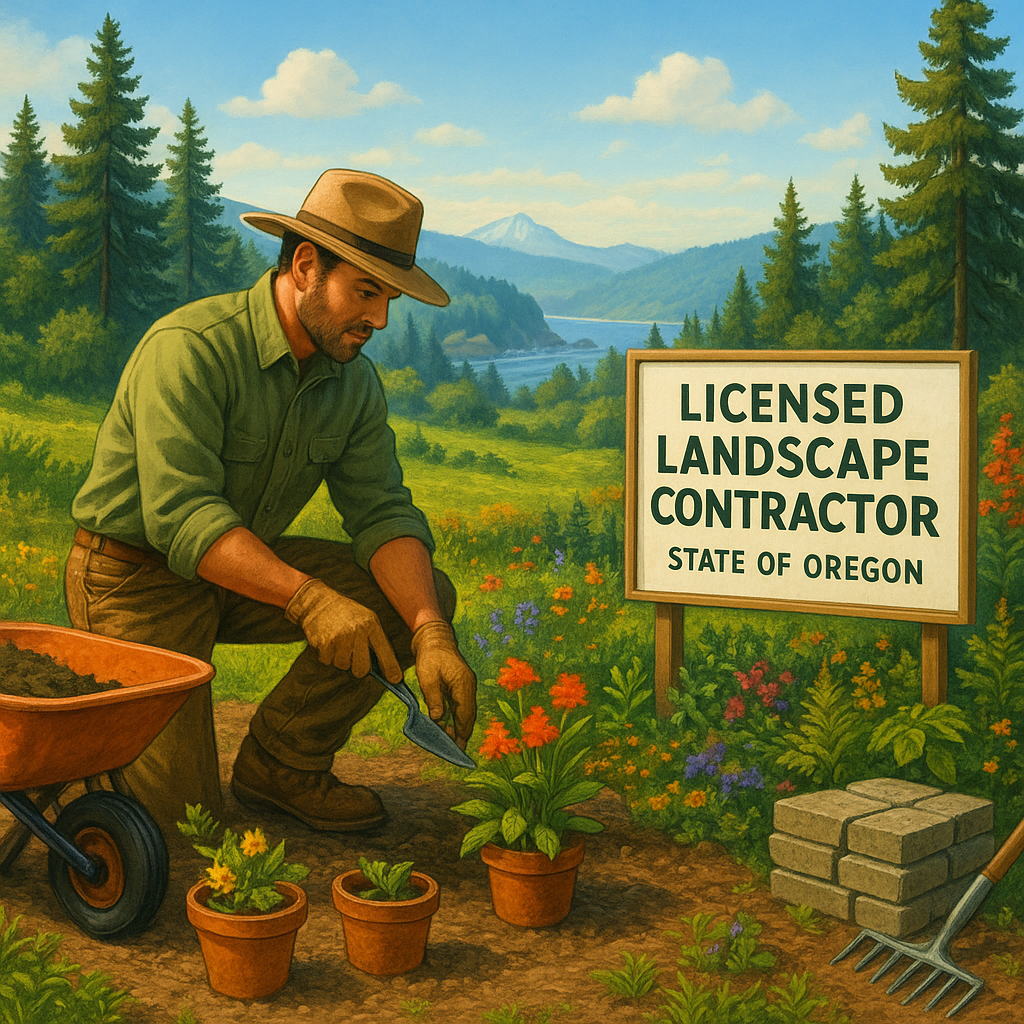
Thinking about turning your green thumb into a thriving business in the Beaver State? You’re in the right place. Oregon is famous for its lush gardens, rolling vineyards, and stunning outdoor spaces—and behind many of those beautiful landscapes is a skilled professional. Getting your license isn’t just a piece of paper; it’s your ticket to bigger projects, better clients, and the trust that sets you apart.
But let’s be real: the licensing process can feel like learning a new language. What’s a bond? Why does it go to the state? Do you really need insurance? Take a deep breath. I’m going to walk you through everything step by step, in plain English, so you can focus on what you do best—creating outdoor magic.
Why Bother with a License? Isn’t My Work Enough?
It’s a fair question. You might have years of experience and a portfolio full of happy customers. But in Oregon, if you perform landscape construction or maintenance work that requires a contractor’s license, doing it without one is against the law. The Construction Contractors Board (CCB) takes this seriously. Think of a license as a handshake with the state and your clients. It says, “I’m a pro, I follow the rules, and you’re protected if something goes sideways.”
Beyond legality, a license opens doors. Many homeowners and commercial property managers won’t even return your call without a CCB number. It separates the weekend warrior from the dedicated craftsman. With a license, you can pull permits, bid on larger public projects, and charge rates that reflect genuine expertise. So yes, your work matters—but a license makes sure everyone else knows that, too.
Step One: Know Which License You Need
Not all landscaping work falls into the same bucket. In Oregon, the two main paths are Landscape Construction and Landscape Maintenance. Construction often involves planting, installing irrigation systems, building retaining walls, laying pavers, or adding water features. Maintenance, on the other hand, typically covers mowing, pruning, weeding, and fertilizing—keeping things looking sharp without changing the hardscape.
Here’s a quick way to remember: if you’re building something new or altering the land, you likely need a construction license. If you’re simply caring for what’s already there, you might fall under maintenance rules. When in doubt, call the CCB or visit their website. They’re surprisingly friendly and would rather help you get it right from the start than fine you later.
The Core Requirements: Your Licensing To-Do List
Once you’ve nailed down the license type, it’s time to gather your paperwork. You don’t need a college degree in business, just a willingness to check off a few boxes. Think of it like preparing soil before planting—skip a step, and nothing grows.
Complete the Required Training
Oregon asks all new contractor license applicants to complete 16 hours of pre-license training. This isn’t about teaching you how to prune a rose bush—it’s about laws, contracts, lien rights, and safety. You’ll learn the boring-but-important stuff that keeps your business out of legal hot water. Many trade associations and community colleges offer these courses, both in-person and online.
Pass the State Exam
Once you’ve soaked up that knowledge, you’ll tackle the Oregon CCB exam. Don’t let test anxiety creep in. The exam focuses on construction law and business practices, not horticulture. Study the bulletins, take practice tests, and remember you can retake it if needed. It’s a hurdle, not a wall.
Secure Your Landscape Contractor Bond
Ah, the bond—this is where the article snippet really comes alive. A landscape contractor bond in Oregon is a financial guarantee that runs to the state, specifically to the Construction Contractors Board. Think of it as a safety net for your clients. If you violate the law, fail to pay a supplier, or leave a job unfinished, a damaged party can file a claim against your bond. The surety company pays them, and then you repay the surety. It’s not insurance for you; it’s protection for the public.
The bond amount varies based on your license type. For a landscape construction contractor, you’re typically looking at a $20,000 bond, while a landscape maintenance contractor might need a smaller one. You don’t need to pay the full amount—you’ll only pay a small premium, often 1% to 3% of the total bond. So a $20,000 bond might cost you a couple hundred dollars a year. That’s a small price for massive credibility.
Get General Liability Insurance
Yes, you need both a bond and insurance—they do different jobs. General liability insurance covers accidents. If you accidentally knock over a $3,000 garden statue or a hose causes water damage inside the home, insurance has your back. Bonding covers willful violations or financial misconduct. Together, they’re like a raincoat and an umbrella. Use both, and you’re ready for any storm.
Navigating the Application and Fees
With training done, exam passed, bond in hand, and insurance policy active, you’ll complete the CCB application. Don’t let it scare you. You’ll provide basic business information, your license type, proof of insurance, and the original bond document. The state bond runs directly to the CCB, so they’ll want to see that their name is on it. The application requires a non-refundable fee, which changes slightly each year, so check the current schedule. At the time of writing, expect around $325 for a two-year license.
After submitting everything, a CCB processor will review your file. They might ask for a missing signature or a corrected bond form. Respond quickly, and you could have your license in a matter of weeks. That CCB number becomes your professional badge of honor.
What If You Already Work Under Someone Else’s License?
Many new contractors start as employees. Maybe you’ve been the lead foreman for years, and the boss’s license number was on every contract. That pattern is common, but when you branch out on your own, you need a fresh license in your name. You can’t just borrow a number or use your employer’s bond. The state sees you as a separate entity. Good news: your real-world experience will make the business side feel much less abstract. You already know how change orders work and why communication matters—now you just need the official stamp.
Keeping Your License Healthy: Renewals and Continuing Education
Congratulations, you’re now a licensed landscape contractor in Oregon! But like a garden, a license needs tending. Oregon licenses last two years. Before they expire, you’ll need to renew, which usually means updating your bond and insurance, plus completing a few hours of continuing education. These short courses keep you sharp on law changes, safety updates, and business practices. They’re far less intense than the initial training—often just four to eight hours every two years.
Set a calendar reminder. Letting your license lapse even by a day can pause your ability to work legally. If that happens, you’ll have to go through a reinstatement process and pay late fees. Treat your renewal date like the first day of spring: plan for it and celebrate when it arrives.
Common Pitfalls and How to Sidestep Them
Even passionate plant people stumble. Here’s how to avoid the twisted ankles. First, don’t confuse a business license with a contractor license. Registering your business name with the state isn’t the same as getting your CCB endorsement. You might need both. Second, never underprice the bond. A tiny premium can tempt you, but make sure your bond matches your license classification. A maintenance bond used for construction work won’t protect you or your client. Third, keep your bond information current. If you change your business structure—from sole proprietor to LLC—your bond must reflect that.
Also, read your bond form. It literally says the bond runs to the State of Oregon, for the benefit of anyone damaged by your actions. That’s a powerful promise. Treat it with respect, and it will serve you well.
How the Landscape Contractor Bond Protects You, Too
It might seem weird to thank a document you have to pay for, but hear me out. The bond creates trust before you ever shake hands. Homeowners see that you’re bonded and immediately feel safer. It signals that you’ve been vetted and that a financial institution believes you’ll act ethically. In a competitive market, that badge helps you stand out. If a dispute ever arises, the bond provides a structured claims process that can keep a disagreement out of court. Yes, you’ll ultimately need to make things right if the claim is valid, but it avoids messy he-said-she-said battles and preserves your reputation better than a public lawsuit would.
Ready to Dig In?
Becoming a licensed landscape contractor in Oregon isn’t a sprint—it’s a thoughtful climb. There’s a mountain of opportunity waiting on the other side. By understanding the training, exam, bond, and insurance pieces, you’re already ahead of the pack. Picture yourself standing in a finished garden, knowing you built that beauty legally, ethically, and professionally. The bond that runs to the state isn’t just a requirement; it’s a foundation. Build on it.
If you’ve got more questions, the Oregon Construction Contractors Board website is a treasure trove. You can also chat with a local insurance agent who specializes in contractor bonds—they talk licensing all day and can quote your premium in minutes. The next lush landscape is waiting for your signature touch. Go get that license, and let the dirt fly.
Leave a Reply