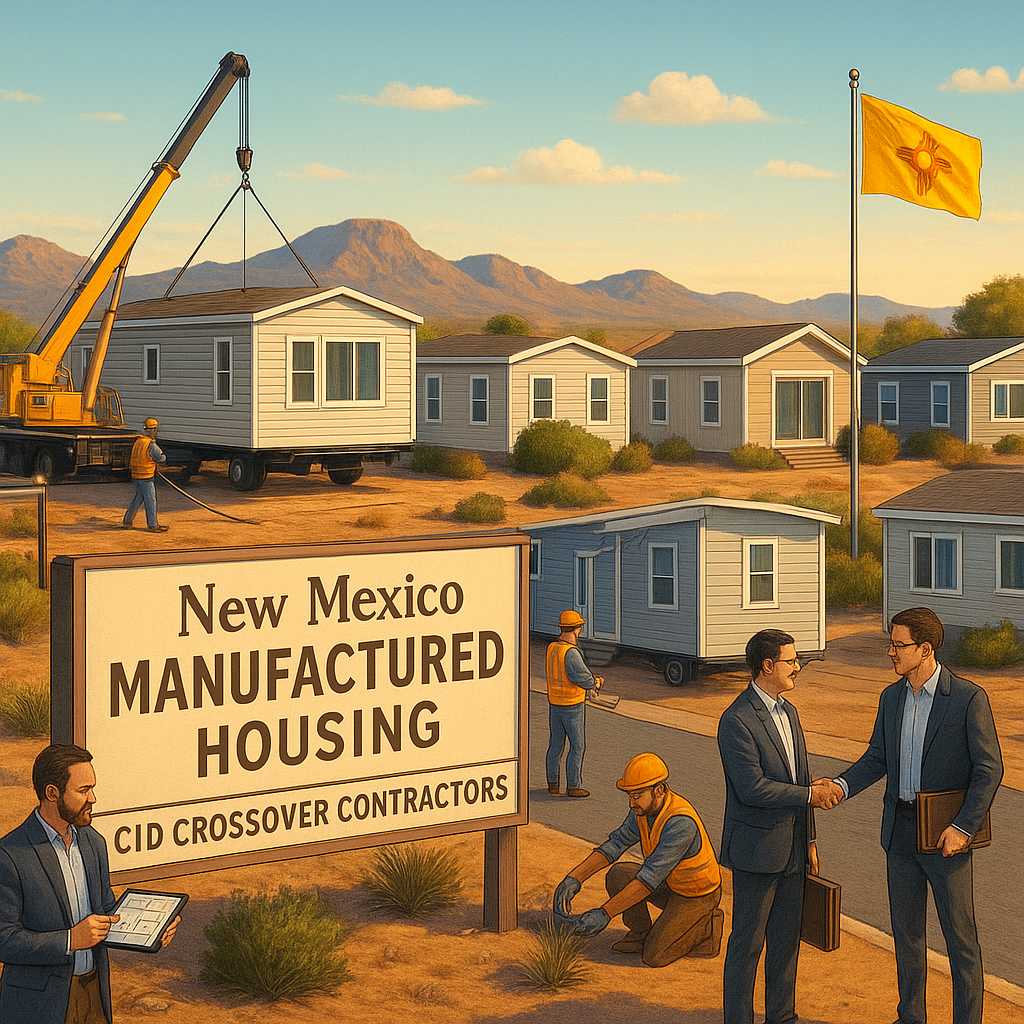
If you’re planning to work in New Mexico’s manufactured housing world, you’ve probably already heard the word “bond” tossed around more than a few times. It might sound like one more piece of confusing paperwork, but once you break it down, it’s really a layer of protection — for you, your customers, and the state. Let’s walk through what these surety bonds are, who needs them, and why they matter in plain, everyday language.
What Exactly Is a Manufactured Housing Bond in New Mexico?
Think of a surety bond as a promise wrapped in a financial safety net. It’s a three-way agreement between you (the professional), the state of New Mexico (the obligee), and a surety company (the one backing the bond). If you don’t follow the rules — say you skip a required repair or mislead a buyer — the bond is there to cover financial losses up to a certain amount. You’ll eventually pay the surety back, but the person harmed gets made whole faster. It’s like having a trusted cosigner who vouches that you’ll do the job right.
New Mexico takes housing standards seriously. The state’s Manufactured Housing Division, which falls under the Regulation and Licensing Department, works hand in hand with the Construction Industries Division (CID). If you’re a dealer, installer, repairman, manufacturer, salesperson, or broker, getting the right bond in place is often step one before you can even get your license.
Who Needs a Bond? A Look at Each Professional Category
Every role in the manufactured housing lifecycle comes with its own set of responsibilities. The bonding requirements are designed to match those roles. Here’s who typically needs a bond:
- Manufactured Housing Dealers – Selling new or used manufactured homes.
- Installers and Repairmen – Setting up homes on-site, making sure everything is level, connected, and safe. Repairmen fix issues after installation.
- Manufacturers – Building the homes in a factory. They need to guarantee that their product meets state and federal construction codes.
- Salespersons – Individuals working under a licensed dealer, helping customers find and finance homes.
- Brokers – People who arrange transactions between buyers and sellers without physically handling the homes themselves.
If you wear multiple hats — say you’re a dealer who also handles installations — you might need separate bonds for each activity. The state wants to make sure each part of the process is covered.
The CID Crossover: Why Installers and Repairmen Get Extra Attention
You may have noticed the phrase “CID Crossover Contractors” in licensing documents. New Mexico’s Construction Industries Division regulates many building trades, and manufactured housing installers often sit right at the intersection. An installer’s work directly impacts structural safety, electrical connections, plumbing, and more. Because of that, the bond requirement for installers and repairmen is not just a suggestion — it’s a critical requirement that ties into broader state construction codes. The CID crossover simply means that these professionals must meet the Manufactured Housing Division’s bonding rules while also knowing that their work affects CID-regulated areas. Your bond helps bridge those two regulatory worlds, ensuring no gap in accountability.
How Much Bond Coverage Do You Actually Need?
Bond amounts vary depending on your specific license type. New Mexico sets minimum coverage levels that you have to maintain. While the exact figures can change, common amounts you’ll see are:
- Dealers: Often a $30,000 bond, though larger dealerships with multiple locations might need higher amounts.
- Installers/Repairmen: Frequently around $10,000 to $20,000. Because their work is hands-on and directly affects home safety, a meaningful bond is required.
- Manufacturers: Typically a higher bond, sometimes $50,000 or more, reflecting the volume of homes they produce.
- Salespersons: Usually bonded through their employing dealer, but they may still need an individual bond in certain situations.
- Brokers: Similar to salespersons, the bond amount can vary. Often a $10,000 bond is a safe starting point.
These amounts aren’t pulled out of thin air. They’re designed to cover potential consumer harm without making the bond premium so expensive that it’s impossible for small businesses to compete. The state’s goal is balance — enough skin in the game to encourage honest work, not so much that only giant companies can play.
What Does a Bond Actually Cost You?
Here’s some good news: you don’t have to pay the full bond amount upfront. You pay a premium, which is a small percentage of the total bond. If your credit is solid and your business history is clean, you might pay just 1% to 5% of the bond amount per year. For a $20,000 bond, that could mean spending only $200 to $1,000 annually. That’s a manageable cost for the peace of mind and legal compliance you get in return.
Surety companies look at your personal and business credit, your experience in the industry, and any past claims. A newer business or someone with credit hiccups might pay a slightly higher rate, but even then, options exist. You’re not locked out just because you’re building your business from the ground up.
Why Do These Bonds Exist in the First Place?
Picture a single mom buying her first manufactured home. She saves for years, finds the right model, and signs the paperwork. Then the installer cuts corners, the floor warps, and the dealer disappears. Without a bond, she’s stuck paying for repairs she can’t afford. With a bond, she can file a claim and get those issues fixed without going through a long, draining court battle.
That’s the heart of it. Bonds protect regular people from financial harm caused by dishonest or sloppy work. They also protect honest professionals. When everyone in the industry follows the same rules, there’s less room for bad actors to undercut prices by skipping quality. It raises the bar for the whole trade.
How to Get Bonded: Step-by-Step
The process is simpler than you might think. Here’s what you’ll generally do:
- Know what you need. Check the New Mexico Manufactured Housing Division website or speak with a licensing specialist. Confirm the exact bond amount and form required for your license type — dealer, installer, repairman, manufacturer, salesperson, or broker.
- Gather your information. You’ll give a surety company basic details about yourself and your business. This includes your social security number for a credit check, business financials if available, and your license number if you already have one.
- Shop around. Don’t assume the first quote is the best. Different surety companies have different appetites for risk. An agency that specializes in construction and manufactured housing bonds may get you a better rate than a generic insurance website.
- Pay the premium and sign. Once approved, you pay the annual premium and sign the bond documents. The surety files the bond directly with the state or sends you the form to include with your license application.
- Keep it active. Bonds renew yearly. Mark your calendar. Letting your bond lapse can mean a suspended license, and that’s a headache nobody needs.
Common Mistakes That Can Trip You Up
Even the most careful folks can stumble. Here are a few pitfalls to watch out for:
- Assuming the bond covers everything. A surety bond is not insurance for your business. If a claim is paid, you must reimburse the surety company. The bond is a protection for the public, not a shield for your own mistakes.
- Confusing license types. A dealer bond doesn’t cover installation work. If you’re a dealer who also does installations, you likely need an installer bond as well. Double-checking saves you from sanctions later.
- Missing the renewal deadline. Life gets busy, but a lapsed bond can trigger automatic license suspension. Set reminders on your phone or calendar, or work with an agency that sends renewal notices.
- Not updating the bond when you grow. If your business expands — more sales locations, bigger contracts — your bond amount requirement might increase. Always keep the state informed of significant changes.
What Happens If a Claim Is Filed Against Your Bond?
Nobody likes to think about a claim, but knowing the process keeps surprises to a minimum. If a consumer or the state believes you’ve violated the law or failed to fulfill a contract, they can file a claim against your bond. The surety investigates. If the claim is valid, the surety pays the harmed party up to the bond limit. Then it comes to you for reimbursement. This is why it’s critical to handle disputes early and keep open communication with your customers. Many claims can be resolved before they ever reach the surety stage.
Final Thoughts: Building Trust in New Mexico’s Manufactured Housing Market
The bond requirement isn’t just a bureaucratic hoop. It’s a signal to your customers that you’re a professional who stands behind your work. It tells them, “I’m licensed, I’m monitored, and I’m accountable.” In a time when trust is hard to earn, that badge of responsibility can set you apart from unlicensed operators.
Whether you’re just starting your career as a manufactured housing salesperson, growing your dealership, or expanding into installation services, getting the right bond is a key step. Take the time to understand what’s required, find a surety partner who explains things clearly, and keep that bond in good standing. The paperwork might feel small, but the peace of mind it brings — to your customers and your business — is anything but.
Do you have questions about which bond fits your situation? Reach out to a surety professional who knows New Mexico’s manufactured housing and CID crossover requirements. A quick conversation can save you days of confusion and put you on the path to doing what you do best: helping people find and live in homes they love.
Leave a Reply