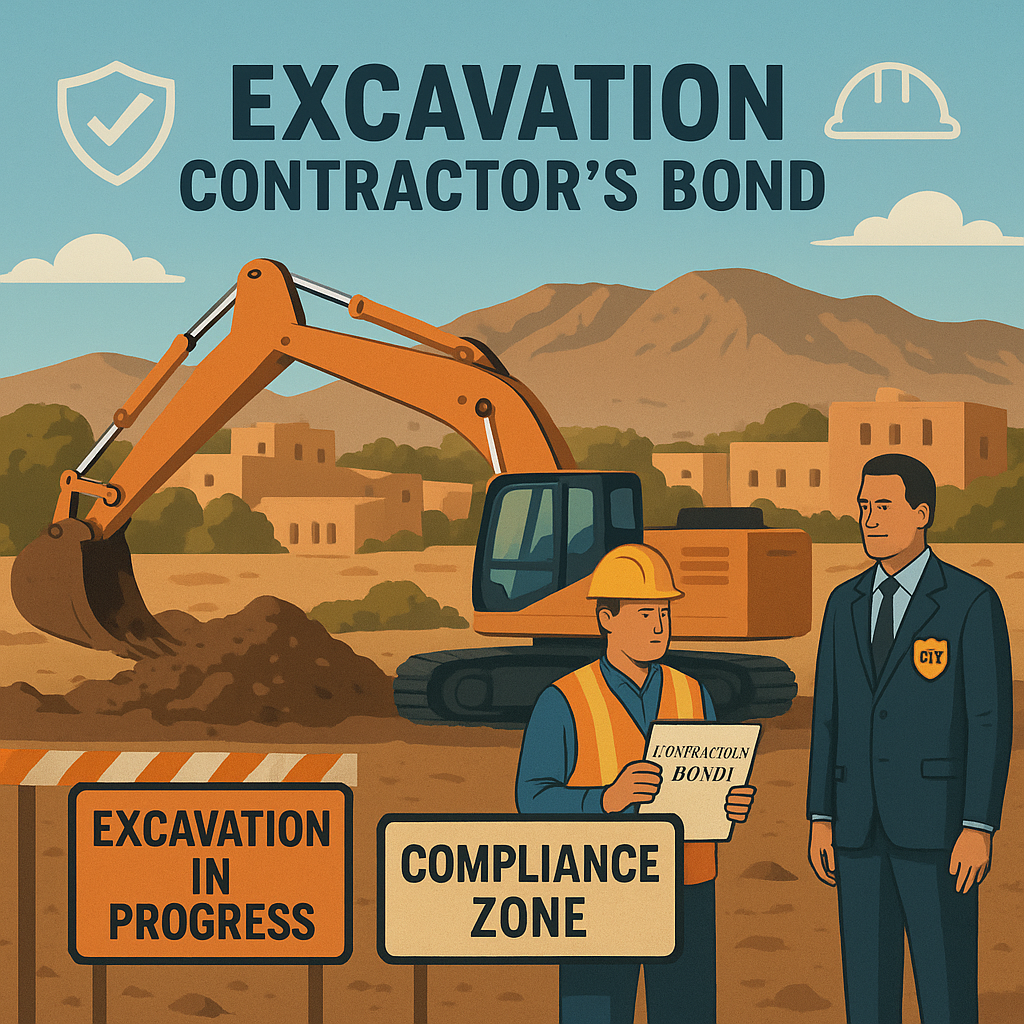
If you’re about to break ground on a project in Albuquerque—literally digging into the earth—there’s a piece of paperwork that deserves your attention before the shovel hits the soil. It’s called the City of Albuquerque NM Contractor’s Excavation Bond, and while the name sounds about as exciting as a dusty permit folder, it actually plays a huge role in keeping the city safe, functional, and beautiful. Whether you’re a seasoned excavation pro or just starting your contracting business in New Mexico, understanding this compliance bond can save you from headaches, fines, and unexpected delays. Let’s walk through what this bond is all about, why it exists, and how you can get one without breaking a sweat.
What Exactly Is an Excavation Contractor Compliance Bond?
Think of a compliance bond as a three-way promise. It involves you, the excavation contractor, the City of Albuquerque, and a surety company. When you obtain this bond, you’re essentially telling the city, “I will follow all the rules when I dig up streets, sidewalks, or public property. And if I don’t, there’s money set aside to fix any problems I cause.” It’s not insurance for your business—it’s protection for the public and the city’s infrastructure.
The bond guarantees that you’ll stick to local codes, obtain the right permits, restore any pavement or landscaping you disturb, and complete the job safely. If things go sideways—say a trench collapses, a water line gets damaged, or the road isn’t patched properly—the city can make a claim against the bond to cover the repair costs. You’re still responsible for paying back those costs, but the bond acts like a forced savings account for compliance mishaps.
Why Does Albuquerque Require This Bond?
Albuquerque’s streets, alleyways, and public rights-of-way are shared resources. Every time a contractor opens up the ground to install utilities, repair pipes, or lay fiber optic cables, there’s a risk of damaging public property—or even creating dangerous conditions for drivers and pedestrians. The city uses the excavation bond requirement to make sure contractors don’t cut corners and leave behind a mess for taxpayers to clean up.
Imagine a scenario: A crew digs a trench across a residential street to connect a new sewer line. They backfill it hastily without proper compaction. A few weeks later, that patch sinks, creating a jarring pothole. The city can step in, hire another crew to fix it, and tap the bond to pay for it. No need to chase down the original contractor through lengthy legal battles. It’s a straightforward way to keep everyone accountable.
Who Needs This Bond in Albuquerque?
Not every contractor with a shovel needs a bond, but if your work involves excavating within the City of Albuquerque’s public right-of-way or on public property, you can almost count on it. This typically includes:
- Utility contractors installing water, sewer, gas, or electric lines under streets or sidewalks.
- Telecommunications crews laying cables and conduit.
- Plumbers and drain layers connecting services to mains.
- General excavation companies doing grading, trenching, or demolition that impacts public spaces.
Even if your project is on private land, you might still need a bond if you cross into public areas, such as a sidewalk or an alley. The city’s Development Services Department usually spells out exactly who falls under the requirement when you apply for an excavation permit. When in doubt, ask: “Am I touching anything owned by the city during this dig?” If the answer is yes, a bond is likely in your future.
How Much Does the Albuquerque Excavation Bond Cost?
Let’s clear up a common point of confusion. The bond amount—say $10,000 or $25,000—is not the price you pay. That’s the maximum penalty the city can claim if something goes wrong. What you actually pay is a small percentage of that total, called the bond premium. For many excavation contractors in Albuquerque, you can expect a premium between 1% and 5% of the bond amount, depending on your credit score and business history.
So if the city requires a $10,000 excavation bond, you might pay as little as $100 to $500 per year. That’s a manageable number for the peace of mind—and legal permission—it provides. Contractors with great credit and clean records often snag the lowest rates. If your credit is a little rougher, the cost might be higher, but it’s still far less than the cost of repairing a collapsed sewer main out of pocket.
The Bond Amount: How Much Coverage Do You Need?
Albuquerque doesn’t slap a one-size-fits-all figure on every contractor. The required bond amount often depends on the scope and scale of your typical projects. A smaller residential plumber might need a $5,000 or $10,000 bond, while a major utility contractor could be looking at $25,000, $50,000, or more. The city’s permitting office will tell you the exact amount when you apply.
Pro tip: Don’t try to lowball the bond amount just to save a few bucks on the premium. Your excavation permit won’t be issued until you show proof of the correct bond amount, and underbonding can lead to immediate rejection. Getting it right the first time keeps your project schedule intact.
How to Get Bonded: A Simple Three-Step Process
Navigating the bond process doesn’t have to feel like rerouting a busy highway. Here’s what you’ll typically do:
1. Determine Your Bond Requirement
Contact Albuquerque’s Planning Department or the specific division handling excavation permits. They’ll give you the bond form, the required amount, and any special conditions. Sometimes the bond must be on a city-provided form, so never assume a generic bond will work.
2. Apply with a Surety Bond Provider
You can go through an insurance agent who specializes in surety bonds or use an online bond company. You’ll fill out a short application, and the provider will run a soft credit check. In many cases, you can get a quote within minutes. If your credit is solid, approval is almost instant. For larger bonds, the underwriter may ask for business financials.
3. Pay the Premium and File the Bond
Once you accept the quote, pay the premium, and the surety issues your bond. Some providers will file it directly with the city on your behalf. Others will give you the original document to submit with your permit application. Keep a copy for your records—you’ll need to renew it annually, or as the city requires.
What Happens If You Don’t Comply?
Here’s where things get real. If the city receives complaints about your excavation work—maybe you left an unsafe trench, didn’t restore pavement markings, or damaged a fiber optic line—they can investigate. If they find violations, they’ll give you a chance to correct them. If you fail to act, the city can file a claim against your bond. The surety will pay the city up to the bond limit, and then they’ll come to you for reimbursement. That’s right, the bond is not a “get out of jail free” card. You’ll have to repay every penny.
Beyond the money, a claim can harm your reputation and make it harder—and more expensive—to get bonded in the future. Some repeat offenders may even lose their contractor’s license or be barred from city projects. So it pays to treat the bond like a bank loan: you really don’t want to trigger it.
Common Misunderstandings About Excavation Bonds
Let’s clear the air on a few things folks get wrong:
- “It’s the same as general liability insurance.” No. Insurance protects your business from accidents and damage to third parties. The bond specifically guarantees you’ll follow city codes and fix public property. They serve different purposes, and you’ll likely need both.
- “Once I have the bond, I’m covered forever.” Bonds expire, usually yearly. You must renew to keep your excavation permits valid.
- “Any bond company can issue a City of Albuquerque bond.” Not always. The city may have a list of approved surety carriers or insist on a particular bond form. Double-check before buying.
Why This Bond Is Good for Your Business
Believe it or not, the excavation compliance bond can be a marketing tool. When clients see you’re bonded, they know you’re legit. It signals that you stand behind your work and that the city trusts you enough to let you dig up its streets. In a competitive market like Albuquerque, where residents and business owners value safety and professionalism, being bonded sets you apart from the permitless operators who might cut corners.
Plus, the bond process pushes you to stay on top of regulations. It’s easy to let small restoration details slide when you’re rushing to the next job. Knowing a bond claim could wipe out your profit margin makes you pay extra attention to compaction, asphalt patches, and utility markings. In the long run, that diligence builds a stronger reputation and fewer callbacks.
Ready to Get Your Albuquerque Excavation Bond?
Don’t let the paperwork paralyze your project. Start by reaching out to the City of Albuquerque’s permit office for the exact bond requirements. Then team up with a trustworthy surety bond provider who understands New Mexico’s local rules. Ask about bundling your bond with other insurance needs to save time and maybe even money.
Remember, this bond isn’t just another bureaucratic hoop. It’s the city’s way of saying, “We trust you to dig responsibly, and we’ve got a safety net if things don’t go as planned.” Approach it with that perspective, and you’ll be breaking ground—legally and confidently—in no time.
Leave a Reply