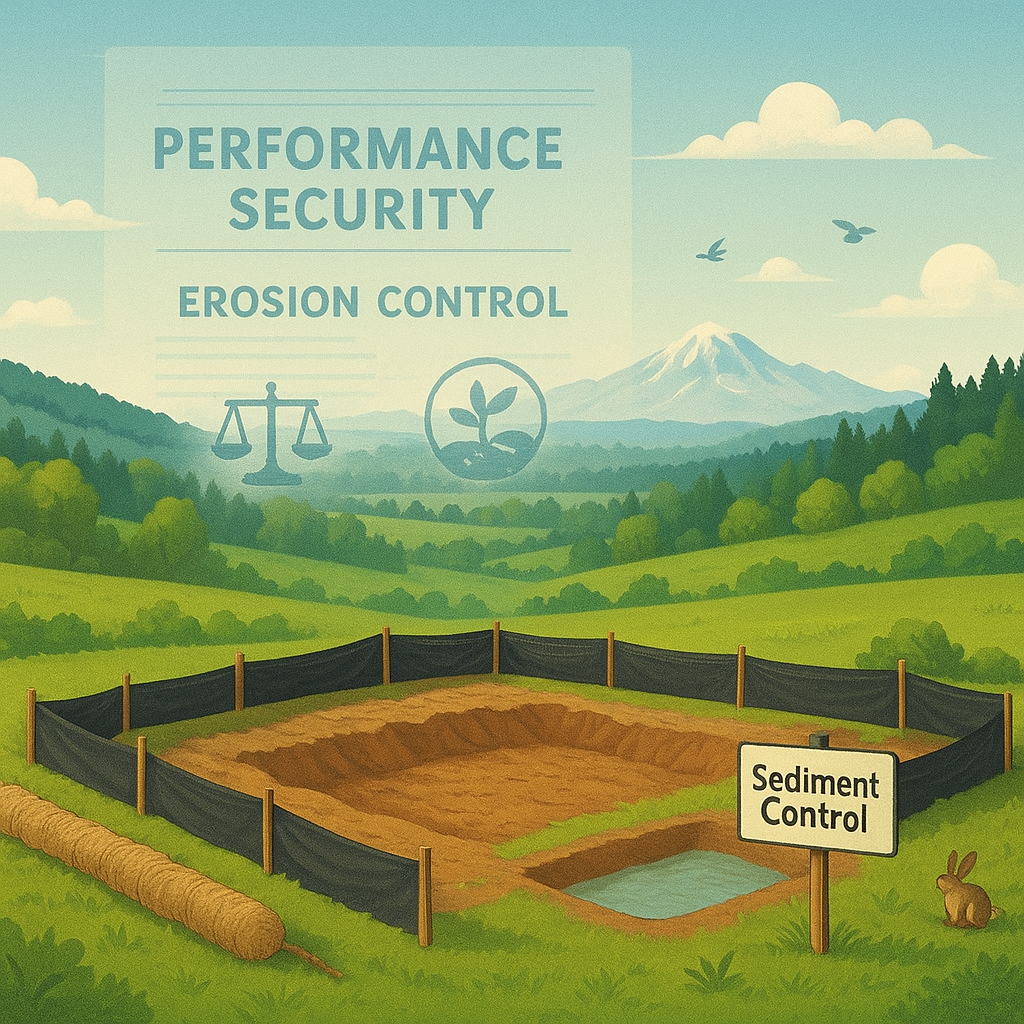
If you’ve ever watched a construction site turn into a muddy mess during a heavy rain, you already know why erosion control matters. But what happens when a project is finished and the developer doesn’t clean up the mess? That’s where Snohomish County’s erosion control performance security bond steps in. Think of it as a financial promise that the land will be left in good shape, even if the original contractor drops the ball.
Whether you’re a homeowner planning a small addition, a developer breaking ground on a subdivision, or just someone curious about local regulations, understanding Title 30 SCC can save you from surprises. Let’s walk through everything you need to know in plain, everyday language.
What Exactly Is an Erosion Control Performance Security Bond?
At its core, this bond is a three-party agreement. You (the project owner or developer) are the principal. Snohomish County is the obligee—the one requiring the bond. A surety company backs the bond financially. If you fail to install or maintain proper erosion and sediment controls, the county can make a claim on that bond to cover the cost of fixing the problem.
Picture it like a security deposit on a rental car. You hope you’ll return it in perfect condition, but if something goes wrong, the deposit covers the damage. Here, the bond ensures that public waterways, neighboring properties, and local infrastructure are protected from loose soil and runoff.
Why Snohomish County Takes Erosion Control So Seriously
Snohomish County is home to rivers, salmon-bearing streams, and sensitive wetlands. When soil washes off a construction site, it doesn’t just disappear. It clogs storm drains, smothers fish habitats, and increases flood risks downstream. Because of this, local officials enforce strict rules under Title 30 of the Snohomish County Code (SCC).
Title 30 SCC lays out the minimum requirements for soil erosion and sediment control. If your project involves land disturbing activities—grading, clearing, excavation—you’re likely going to need a permit. And with that permit comes the obligation to post a performance security bond in many cases. The county wants to be certain that temporary erosion controls are installed correctly and that long-term stabilization happens before the bond is released.
When Do You Actually Need This Bond?
You might be wondering, “Is this only for massive developments?” Not necessarily. While large commercial projects almost always trigger the requirement, smaller residential jobs can too. The threshold often depends on the area of disturbed soil. If you’re disturbing more than a certain number of square feet—typically one acre or more, though smaller thresholds apply near critical areas—you’ll be in the spotlight.
Common scenarios include:
- Building a new home on a sloped lot.
- Constructing a driveway that crosses a drainage swale.
- Expanding a parking lot or adding a new commercial building.
- Grading for landscaping or retaining walls near a stream.
Even if your project seems minor, it’s always a good idea to check with Snohomish County Planning and Development Services. They’ll let you know if a bond is part of your permit package.
How the Bond Amount Is Determined
The county doesn’t just pull a number out of thin air. The bond amount is calculated based on the estimated cost of installing and maintaining the required erosion and sediment control measures. This might include silt fences, check dams, construction entrances, stabilized slopes, and more. Engineers or planners on your team will prepare a cost estimate, which the county reviews.
Here’s a helpful analogy: If you were painting a friend’s house, you’d figure out how much paint, brushes, and drop cloths cost before setting a budget. The county does the same thing for erosion control. That total becomes the performance bond amount. It’s meant to be enough for the county to hire someone else to finish the job if you walk away.
The Difference Between Performance and Maintenance Bonds
You’ll often hear about two related bonds: the performance bond and the maintenance bond. The performance bond covers the initial installation of erosion controls during active construction. Once that phase passes, a maintenance bond might kick in to ensure the landscaping or permanent stabilization actually works over time, often through a couple of rainy seasons. Snohomish County may require both depending on the complexity of your site.
How to Obtain a Title 30 SCC Erosion Control Bond
Getting the bond is usually a straightforward process with the right guidance. Most people go through a surety bond agency. You’ll need to provide:
- A copy of your approved site plan or permit conditions.
- The county’s official bond form, if available.
- Your financial information for the surety to evaluate.
Your credit score and business history can affect the premium. Smaller bonds are often issued quickly without a deep dive into financials, especially if the amount is under a certain threshold. Premiums generally range from 1% to 3% of the total bond amount per year. So a $10,000 bond might cost as little as $100 annually. That’s a small price for peace of mind and permit compliance.
Common Pitfalls and How to Avoid Them
Nobody wants a call from the county saying their site is out of compliance. Unfortunately, well-meaning property owners sometimes run into trouble. Here are a few things to watch out for:
Assuming a General Contractor Handles Everything: Yes, contractors often install the BMPs (best management practices), but the permit holder is ultimately responsible. If your contractor disappears, the bond is in your name. Make sure you have clear contracts and communication.
Letting the Bond Lapse: The bond must remain active until the county formally releases it. If you cancel it too early, you could face permit revocation or delays. Keep a calendar reminder and stay in touch with your surety company.
Incomplete Site Stabilization: The county performs inspections before releasing the bond. If vegetation hasn’t taken hold or sediment barriers are failing, you’ll need to fix those issues first. Budget extra time for seasonal weather challenges—grass seed doesn’t grow well in a July drought without irrigation.
What Happens If a Claim Is Filed?
Let’s address the elephant in the room: what if the county actually makes a claim on your bond? This is rare but not unheard of. If your site violates sediment discharge standards or you abandon a project mid-stream, the county can demand payment from the surety. The surety will then turn to you for reimbursement, because a bond is not insurance—it’s a guarantee that you’ll perform. You are always on the hook in the end.
Think of it like co-signing a loan. You hope the primary borrower pays, but if they don’t, the lender comes after you. Maintaining good site management is the best way to avoid that headache.
Releasing the Bond: The Finish Line
The moment everyone looks forward to is bond release. After construction is complete and the site has achieved final stabilization—meaning perennial vegetation has established and erosion systems are no longer needed—you can request a final inspection. The county will verify that everything meets Title 30 SCC standards. If it does, they’ll issue a release letter, and you can cancel the bond.
Keep in mind that “final stabilization” often means different things in different seasons. In Western Washington, surviving a wet winter with no rills or gullies is a true test. Patience pays off here.
Why This Matters Beyond Paperwork
It’s easy to see bonds as just another bureaucratic hoop to jump through. But pause for a moment and consider what’s at stake. Clean water, healthy fish populations, and flood-free neighborhoods are shared benefits. When every construction site manages its own soil, the whole community wins. The bonding process is a tool that keeps everyone accountable while allowing development to move forward.
Have you ever noticed how quickly a bare patch of dirt can become a breeding ground for weeds and erosion? Multiply that by dozens of sites, and you can see why the county takes a preventive approach.
Working With Professionals Who Understand Local Rules
Because Snohomish County has specific geographic conditions, working with local civil engineers, erosion control specialists, and bond agents familiar with the area can make a huge difference. They know the soils, the rainfall patterns, and the permitting office’s expectations. A little local expertise can save you weeks of back-and-forth corrections.
If you’re new to the process, ask your surety agent if they’ve handled Snohomish County Title 30 bonds before. They can often streamline the paperwork and help you avoid common missteps.
Key Takeaways to Remember
- An erosion control performance security bond is required for many land-disturbing projects in Snohomish County under Title 30 SCC.
- It protects public resources by ensuring soil and sediment are properly managed during and after construction.
- The bond amount is based on the cost of erosion control measures, and premiums are usually affordable.
- Release of the bond depends on successful site stabilization and a final county inspection.
- Staying proactive with site management protects you from claims and keeps your project on track.
Navigating local regulations can feel like a maze, but you don’t have to do it alone. With a clear understanding of why these bonds exist and how they work, you’re already ahead of the game. When in doubt, reach out to Snohomish County Planning and Development Services—they’re the ultimate authority on your specific situation. A little preparation now can keep your project moving smoothly from the first scoop of dirt to the final thumbs-up.
Leave a Reply