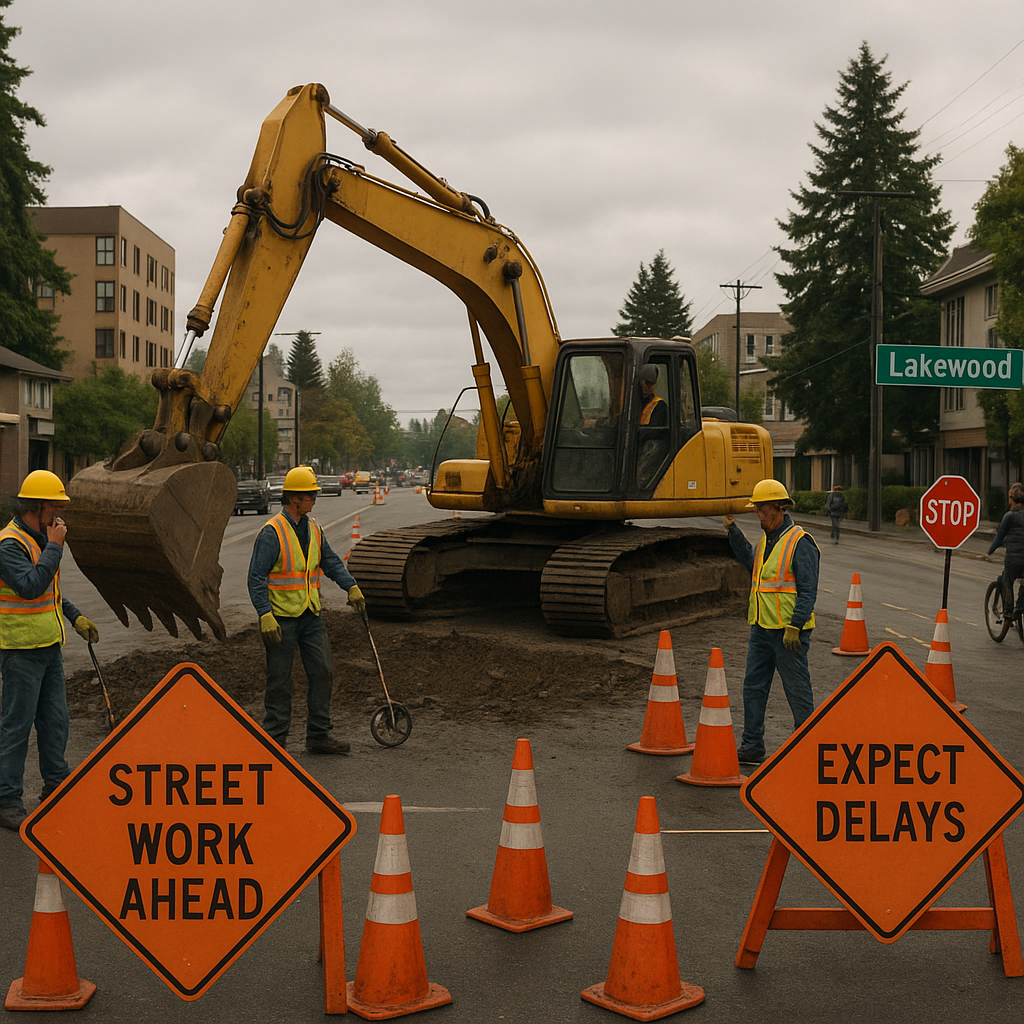
Have you ever driven past a construction site where a brand-new water main is being installed, only to see a gaping hole in the road for weeks? While that work is essential, it can also create a mess and, if not handled correctly, leave behind dangerous potholes or uneven pavement. That’s exactly why the City of Lakewood, Washington, has put a smart safeguard in place: a dedicated street excavation and obstruction bond. Think of it as a promise to the community that every trench, every utility cut, and every lane closure will be restored to safe, smooth condition once the job is done.
In this article, we’ll break down what this bond means, who needs it, and how it benefits everyone from the contractor to the everyday commuter. By the end, you’ll understand why a simple financial tool is quietly protecting Lakewood’s streets—and your tax dollars.
What Is a Street Excavation and Obstruction Bond, Anyway?
Let’s strip away the legal-sounding name. A street excavation and obstruction bond is essentially a financial guarantee. It’s a three-way agreement between the contractor (that’s the person or company doing the digging), the City of Lakewood, and a surety company. The bond says: “If the contractor doesn’t properly fix the street after cutting it open, or if they leave obstructions that make the roadway unsafe, the city can use money from the bond to cover the repair costs.”
It’s very similar to a security deposit you might put down when renting an apartment. You promise not to damage the walls, and if you do, the landlord keeps part of your deposit to fix them. Here, the city is the landlord, the contractor is the tenant, and the street is the valuable property being protected. The bond simply ensures that the public right-of-way is left in the same great shape it was found—or better.
Why Did Lakewood Introduce This Bond?
Lakewood is a vibrant city that’s always growing. With growth comes constant infrastructure upgrades: fixing old sewer lines, laying fiber-optic cables, installing new gas mains. All that work means cutting into perfectly good asphalt. Without strict rules, a few bad actors could cut corners, leaving a patchwork of shoddy repairs that turn into costly potholes and tripping hazards. This bond closes that gap.
By requiring this bond, the city achieves a few crucial goals:
- Protects Public Safety: A poorly restored trench can cause accidents. The bond holds contractors accountable for making repairs that last.
- Shields Taxpayer Money: If the city has to step in and fix a botched job, they dip into the bond, not the public budget. Your tax dollars stay where they belong—funding parks, schools, and emergency services.
- Raises the Bar for Quality: Knowing that a substandard repair will trigger a financial claim motivates every crew to do the job right the first time.
Who Actually Needs This Bond?
If you’re a contractor, a utility company, or even a homeowner planning a project that touches a Lakewood street, you’ll want to pay close attention. You’ll typically need this bond anytime you’re applying for a permit that involves:
- Trenching into the roadway to access underground utilities.
- Placing a dumpster, crane, or construction materials on a public street (even temporarily).
- Tunneling under a sidewalk or curb.
- Making any cut, excavation, or obstruction in the public right-of-way.
Common projects include water service repairs, sewer lateral replacements, electrical conduit installations, and even large-scale commercial developments. The city wants a guarantee that the concrete, asphalt, and any affected landscaping will be restored to code. So whether you’re a seasoned excavation pro or a homeowner fixing a broken water line, this bond is your ticket to getting the necessary permit.
How Does the Bond Work in Plain Terms?
Understanding the mechanics is easier than you might think. The bond involves three key players:
- The Principal: This is the contractor or permit applicant who has to purchase the bond.
- The Obligee: This is the City of Lakewood, the party that requires the bond and is protected by it.
- The Surety: The insurance-like company that backs the bond financially.
When the contractor buys the bond, they’re essentially getting a line of credit from the surety. If the contractor finishes the job and the city inspector signs off on the street restoration, the bond is eventually released. But, imagine a scenario where the contractor digs a trench for a new plumbing line, completes the work, and then vanishes without patching the asphalt correctly. The city issues a claim against the bond. The surety investigates and, if the claim is valid, pays the city up to the full bond amount. The contractor then has to reimburse the surety for every penny paid out. Yes, it’s a safety net, but it’s not free money for the contractor—it’s a loan that must be repaid.
How Much Will the Street Excavation Bond Cost You?
Here’s where many contractors get nervous, but the reality is often much friendlier than expected. The bond amount, or “penal sum,” is set by the city based on the scope of your project. It might be $5,000 for a small residential repair or $50,000 for a major utility trench. You don’t need to pay that entire amount upfront.
Instead, you pay a small percentage of the total bond as a premium. That premium is largely based on your personal credit score and the financial stability of your business. For applicants with strong credit (typically a score above 650), the rate could be as low as 1% to 3% of the bond amount. So a $10,000 bond might cost just $100 to $300 for a full year. That’s a small price to pay for the peace of mind and the ability to pull a permit. Even if your credit isn’t perfect, specialty bond programs exist to get you bonded, often with slightly higher premium rates.
Step-by-Step: Getting Your Lakewood Street Excavation Bond
The process is refreshingly straightforward. No need to wade through piles of confusing paperwork. Here’s the typical path:
- Confirm the Required Bond Amount: Contact the City of Lakewood’s Public Works or Permitting Department. They’ll tell you exactly what bond amount is listed on your permit application.
- Apply for the Bond Online or Through an Agent: A specialized surety bond agency can get you a quote in minutes. You’ll need to provide basic business information and a quick credit check authorization.
- Pay the Premium and Receive Your Bond Form: Once approved, you pay the small premium, and the bond is issued immediately. You’ll get a PDF that includes the official bond certificate.
- File the Bond with the City: Submit the original or a certified copy, along with your other permit documents. The city keeps it on file as your financial promise.
- Complete Your Work and Close Out the Permit: After the excavation is finished and a city inspector approves the restoration, the bond obligation ends, and you can request its release.
What Happens If a Claim Is Filed?
Nobody wants to think about claims, but it’s important to know the landscape. A claim usually comes when the city discovers a defect—like a sinking pavement, a crack spreading from the original cut, or barricades left behind that block traffic. The city notifies the contractor first, giving them a chance to fix the issue. If the contractor refuses or cannot be reached, the city files a claim with the surety company.
The surety will investigate thoroughly. They might hire an independent adjuster. If they determine the claim is valid, they’ll pay the city the amount needed to hire another contractor to fix the road. Then, and this is crucial, the surety will seek full reimbursement from the contractor who caused the problem. This means a claim not only damages your reputation but can also personally hit your bank account. It’s a powerful motivator to do the job right.
How This Bond Protects You as a Resident
Even if you never plan to dig up a street, this system works in your favor every single day. Think about a busy intersection where a water pipe burst was repaired. Because the contractor had a street excavation bond, they knew every detail of the asphalt patch mattered. The result is a smooth, seamless surface that won’t rattle your car’s alignment three months later. Without the bond, you might be stuck with a patch that turns into a pothole after the first rain. You’d have to call the city to complain, they’d send a crew out, and the whole cycle would eat up public funds. The bond helps stop that cycle before it even starts, keeping our roads safer and our commutes smoother.
Clearing Up Common Misconceptions
Whenever the word “bond” is thrown around, people mix things up. Let’s set the record straight:
- It’s not insurance for the contractor. A typical insurance policy would pay out and the insurance company takes the loss. With a surety bond, the contractor ultimately pays back every claim dollar. It’s a form of credit, not a cushioned risk transfer.
- It doesn’t cover regular wear and tear. The bond is for construction-related damage and poor workmanship on the specific excavation site. It’s not a warranty for the whole street forever.
- You don’t need a perfect credit score. Yes, better credit gets you a lower rate, but many surety companies work with all credit levels, especially for smaller bonds.
Lakewood’s Commitment to Smart Growth
This bond requirement is more than just red tape. It’s a sign of a forward-thinking city that balances development with preservation. By making sure every contractor who touches a public street has skin in the game, Lakewood ensures that the neighborhoods you love stay safe and well-maintained. It encourages reliable contractors to thrive and naturally filters out those who might leave a mess behind.
So the next time you see a crew in bright vests cutting into the pavement, you’ll know there’s an invisible shield in place. It’s a quiet, powerful promise that Lakewood’s infrastructure will keep getting better, without leaving you to pick up the pieces—literally.
Whether you’re a contractor gearing up for your next big project, or a curious resident wondering how your city manages its patchwork of roads, the street excavation and obstruction bond is a simple, brilliant tool that keeps Lakewood moving forward, one well-restored trench at a time.
Leave a Reply