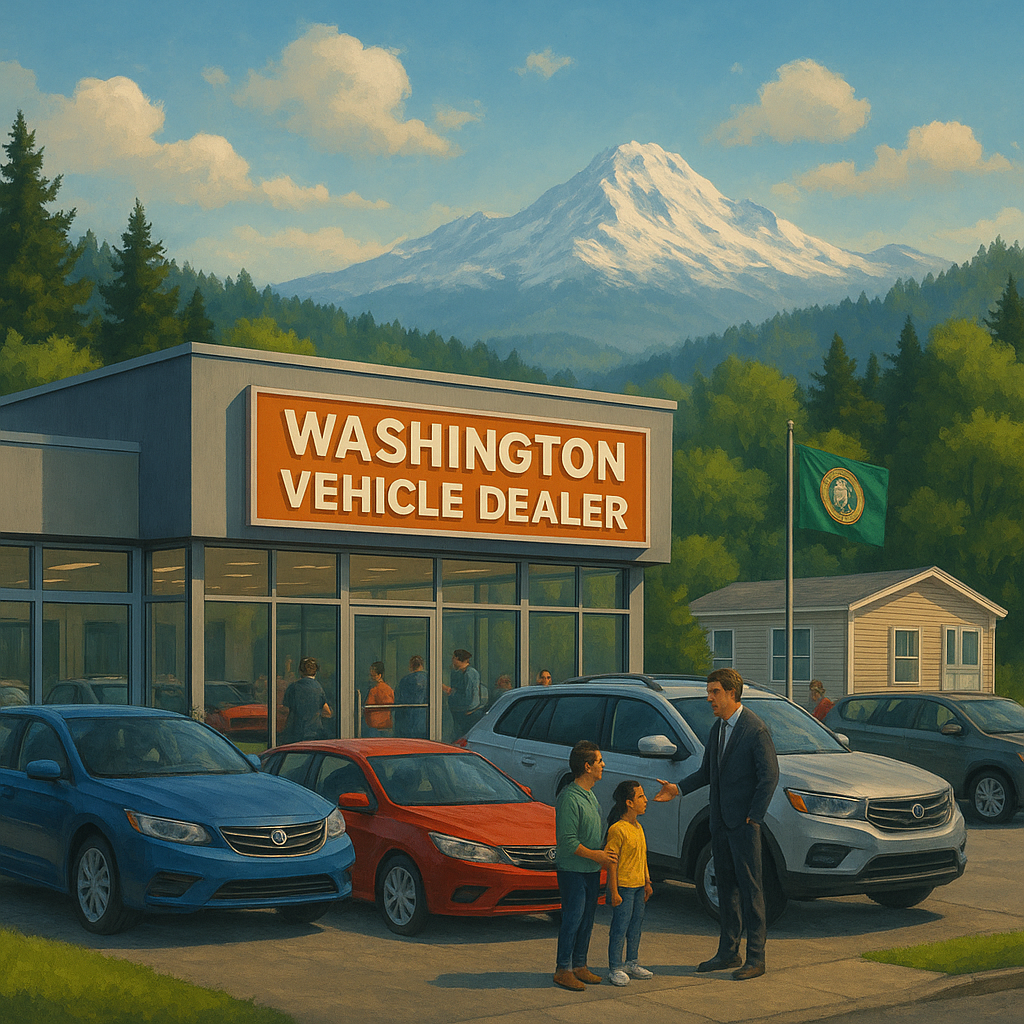
So you’re diving into the world of manufactured home sales in Washington state. Perhaps you’ve been selling traditional homes and want to branch out, or you’re starting fresh with a dealership that offers new or new and used manufactured homes. Either way, you’ve likely stumbled across the term “Washington Vehicle Dealer Bond” and wondered, “Wait, a vehicle bond for houses?” It might sound confusing at first, but don’t worry—you’re about to get the full picture in plain, simple language.
What Exactly Is a Washington Vehicle Dealer Bond for Manufactured Homes?
Let’s clear up that name right away. In Washington, the Department of Licensing regulates manufactured home dealers under the same umbrella as motor vehicle dealers. Because manufactured homes are titled similarly to vehicles, the state requires a surety bond called a Washington Vehicle Dealer Bond. Think of it not as a bond for cars, but as a financial safety net that protects your customers and the public. It’s a promise that you’ll play by the rules.
A surety bond involves three parties: you (the dealer), the state (the obligee), and the surety company that backs the bond. If you fail to follow Washington’s dealer laws—say, by misrepresenting a home’s condition or not delivering a title—someone can file a claim against your bond. The surety then steps in to make things right, up to the bond amount. Later, you’ll need to repay the surety. It’s like having a co-signer who trusts you to do the right thing but will cover the bill if you slip up.
Why Does Washington Require This Bond?
Imagine buying a beautiful new manufactured home, handing over your hard-earned money, and then discovering the dealer forged documents or never actually owned the home. That nightmare scenario is exactly what the bond is designed to prevent—or at least remedy. Washington state wants to ensure that every manufactured home retail dealer operates ethically and transparently. The bond is a mandatory licensing requirement that gives consumers a clear path to financial recovery if they’re wronged.
For you, the dealer, the bond isn’t just a piece of red tape. It’s a signal to your customers that you’re legitimate, trustworthy, and backed by a financial guarantee. Many savvy manufactured home buyers specifically look for licensed and bonded dealers. It tells them, “This business takes its obligations seriously.” So while the bond protects them, it also boosts your reputation in a competitive market.
Who Needs a Manufactured Home Retail Dealer Bond?
If you’re selling manufactured homes in Washington as a retail dealer—meaning you sell directly to the public—you almost certainly need this bond. The state distinguishes between new-only dealers and those who sell new and used homes. The bond requirement applies to both categories, though the specific bond amount might vary depending on your license type. For example:
- New Manufactured Home Retail Dealer: You sell only brand-new manufactured homes straight from the factory.
- New and Used Manufactured Home Retail Dealer: Your inventory includes both new units and pre-owned (used) manufactured homes.
Even if you’re a small operation running out of a modest lot, the bond is non-negotiable. You’ll need to secure it before the Department of Licensing issues or renews your dealer license. It’s one of the first boxes to tick on your journey to opening your doors.
How Much Does a Washington Vehicle Dealer Bond Cost?
The bond amount—the maximum coverage—is set by the state, often ranging from $10,000 to $30,000 for manufactured home dealers. Don’t let that number scare you, though. You aren’t paying that full amount out of pocket. Instead, you pay a small percentage called the premium. Typically, premiums run between 1% and 5% of the total bond amount.
So, if your required bond is $20,000 and you qualify for a 1.5% premium, you’d pay just $300 for a year of coverage. The exact rate depends on your personal credit score, financial history, and sometimes experience in the industry. A strong credit profile can land you near the 1% mark, while a spottier credit history might push you toward 5%. Still, even at the higher end, it’s a manageable expense compared to the cost of losing your license or facing a lawsuit without protection.
Quick Factors That Influence Your Bond Premium
- Personal credit score
- Years of experience as a dealer
- Financial statements and business assets
- Any prior bond claims or legal issues
Getting Your Bond: The Process Made Simple
Applying for a Washington vehicle dealer bond is surprisingly straightforward. You don’t need to spend hours on paperwork or decode complicated legalese. Here’s a typical step-by-step:
1. Confirm your required bond amount. Check with the Washington Department of Licensing or your license application packet. The amount depends on whether you sell new only or new and used manufactured homes. When in doubt, ask a surety bond professional—they deal with these requirements daily.
2. Fill out a quick application. Most surety companies offer an online form that takes about ten minutes. You’ll provide basic details about your business, your personal information, and consent for a soft credit check.
3. Receive your quote. Within hours, you’ll get a premium quote. No surprises. If you like the number, you can usually pay online right then and there.
4. Get your bond form. The surety issues the official bond document. You’ll file this with the Department of Licensing as part of your license application or renewal. Some suretistes even file it for you electronically.
The entire process can be completed in a single business day, sometimes within minutes after approval. It’s a small administrative step that paves the way for your big venture.
What Happens if Someone Files a Claim Against Your Bond?
This is the part no dealer wants to think about, but it’s important to understand. If a customer believes you’ve violated state regulations—for example, by selling a home without a clear title, engaging in deceptive advertising, or failing to pay off a lien—they can file a claim against your bond. The surety company will investigate. If the claim is valid, the surety pays the claimant up to the bond’s limit.
And here’s the key: you must repay every penny the surety paid out. It’s not insurance that covers your mistakes for free. Think of it like a loan that springs into action when something goes wrong. That’s why it’s crucial to operate with honesty and transparency at all times. One valid claim can also make it harder—and more expensive—to get bonded in the future.
Keeping Your Bond Active and Your License Safe
Your vehicle dealer bond isn’t a one-and-done deal. It must stay active for as long as your license remains valid. Most bonds renew annually, and you’ll receive a reminder when your premium is due. If the bond lapses, the Department of Licensing can suspend your license faster than you might think. No bond, no selling. It’s that simple.
To avoid interruptions, set a calendar reminder a month before renewal. If your financial situation has improved, you might even qualify for a lower premium next year. And if your credit took a hit, at least you’ll have time to shop around for a better rate.
Common Questions Manufactured Home Dealers Ask
“Is this the same bond as a motor vehicle dealer bond?”
Functionally, yes. Washington treats manufactured home retail dealer bonds under the same regulations as vehicle dealer bonds. The name can cause confusion, but the purpose is identical: consumer protection. Just make sure the bond clearly states it covers manufactured home retail dealer activities.
“Can I cancel my bond if I stop selling manufactured homes?”
You can, but you must first formally close your dealer license with the state. Canceling the bond while your license is still active will lead to immediate license suspension. And remember, even after you cancel, a bond may have a tail period where claims can still be filed for actions that occurred while the bond was in force.
“What if I already have a bond for another type of dealership?”
Different license types usually require separate bonds. Don’t assume your existing motor vehicle dealer bond covers manufactured home sales. Always verify with the Department of Licensing to avoid gaps.
The Hidden Perk: Bonding Builds Trust
Beyond the legal requirement, your Washington vehicle dealer bond is a powerful marketing tool. In a world where manufactured home buyers might feel nervous about big-ticket purchases, being able to say “We are fully licensed and bonded by the state of Washington” immediately sets you apart. Use it on your website, your social media profiles, and even your business cards. It reassures customers that there’s a safety net behind every transaction.
When you reframe the bond from an annoying expense to a badge of trustworthiness, it becomes part of your brand’s story. That story matters when families are deciding where to buy the home they might live in for decades.
Ready to Secure Your Bond?
Understanding Washington state vehicle dealer bonds for manufactured home retailers doesn’t have to be overwhelming. At its core, it’s a simple financial guarantee that protects your customers and keeps your business in compliance. With premiums often costing just a few hundred dollars a year, it’s one of the most affordable investments you’ll make in your dealership’s future.
Take the first step today: confirm your required bond amount, compare a few surety quotes, and file that bond with your license application. Soon enough, you’ll be handing over the keys to a family’s new dream home—with your reputation secure and your legal bases covered.
Leave a Reply